
Wellbeing
Le Gargarisme à l'Huile: Les 5 Choses que Vous Devez Savoir
Oil pulling is an ancient dental trick from Indian Ayurveda that is over 3,500 years old. Oil pulling involves putting a spoonful of high-quality oil in your mouth to remove impurities and promote oral health. The term “oil pulling” comes from “pulling” the oil through your teeth. It used to be […]
Oil pulling is an ancient dental trick from Indian Ayurveda that is over 3,500 years old.
Oil pulling involves putting a spoonful of high-quality oil in your mouth to remove impurities and promote oral health.
The term “oil pulling” comes from “pulling” the oil through your teeth. This used to be part of the morning routine because it was believed that it would improve health inside and out.
Nowadays everyone is looking for natural health tips. Thanks to health bloggers, Ernährungsberater, and social media gurus raving about the benefits of oil pulling, this old-fashioned method is getting a makeover.
However, some people are skeptical, so let’s look at what science says about oil pulling.
# 1. What the science about oil pulling
Scientists are curious about oil pulling because it has ancient roots. But you want solid evidence.
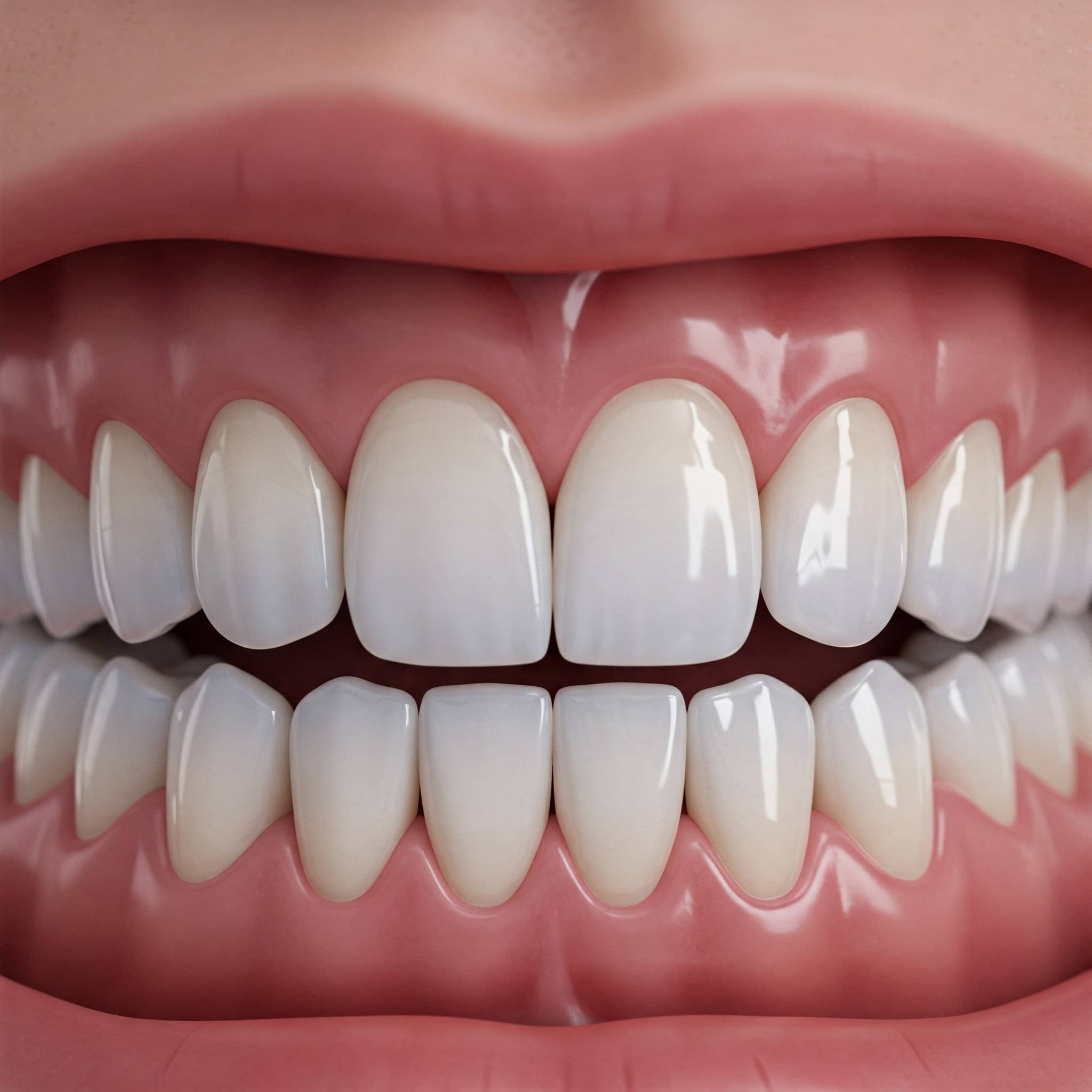
Studies, especially from India, show that oil pulling can reduce the amount of harmful oral bacteria. It could help against the bad guys that form plaque and cause tooth decay, especially nasty bacteria like Streptococcus mutans – the troublemaker behind tooth decay.
But while these small studies seem promising, we need larger studies to prove these claims. Science agrees that oil pulling looks good, but it still needs more study. Nevertheless, it is safe and can be integrated into your regular dental care as no side effects have been reported. Oil pulling is said to strengthen the teeth and oral flora and prevent diseases.

# 2. Why try oil pulling?
Oil pulling is a big hit for its health benefits, which are praised by Ayurveda experts and alternative healing fans. Mainly it is celebrated for its oral health benefits. By reducing harmful bacteria, oil pulling can help prevent tooth decay, soothe swollen gums, and combat bad breath. It is believed to combat bad breath by trapping and getting rid of smelly, sulfur-producing bacteria.
Some people believe that oil pulling not only helps the mouth but the entire body. They claim it detoxifies your mouth, boosts your immune system, and may help with acne, migraines, and sinus problems. But these are mostly just stories, the science isn’t there yet.
Open to nutritional advice?
Come and let us advise you!
# 3. Instructions: How to oil pull
Oil pulling is quite simple, but if you’re doing it for the first time, it might feel a little strange. Here’s how to get started:1. When: Do it first thing in the morning before eating. This targets the bacteria that emerged overnight. 2. Choose your oil: Popular oils include coconut, sesame and olive oil. Kokosnuss has antibacterial properties against Streptococcus mutans, sesame has Ayurvedic roots, and olive oil contains antioxidants. 3. Start swiping: Take about a tablespoon of oil. Newbies can also start with less until they get the hang of it. 4. How to hiss: Gently move the oil around your mouth, especially between your teeth. For best results, do this for 15-20 minutes. 5. Do not gargle: Do not gargle or swallow. The oil traps scary stuff you don’t want to swallow. 6. Spit it out: Spit the oil into the trash, not the sink, because oils like coconut can clog pipes. 7. Rinse and brush: Rinse with warm water and brush your teeth. Make this part of your daily oral care routine. 8. Stick with it: Do it daily for best results. Consistency is key to seeing change.
# 4. Which is the best oil?
Choosing the right oil makes a big difference. Here’s a closer look at your options:
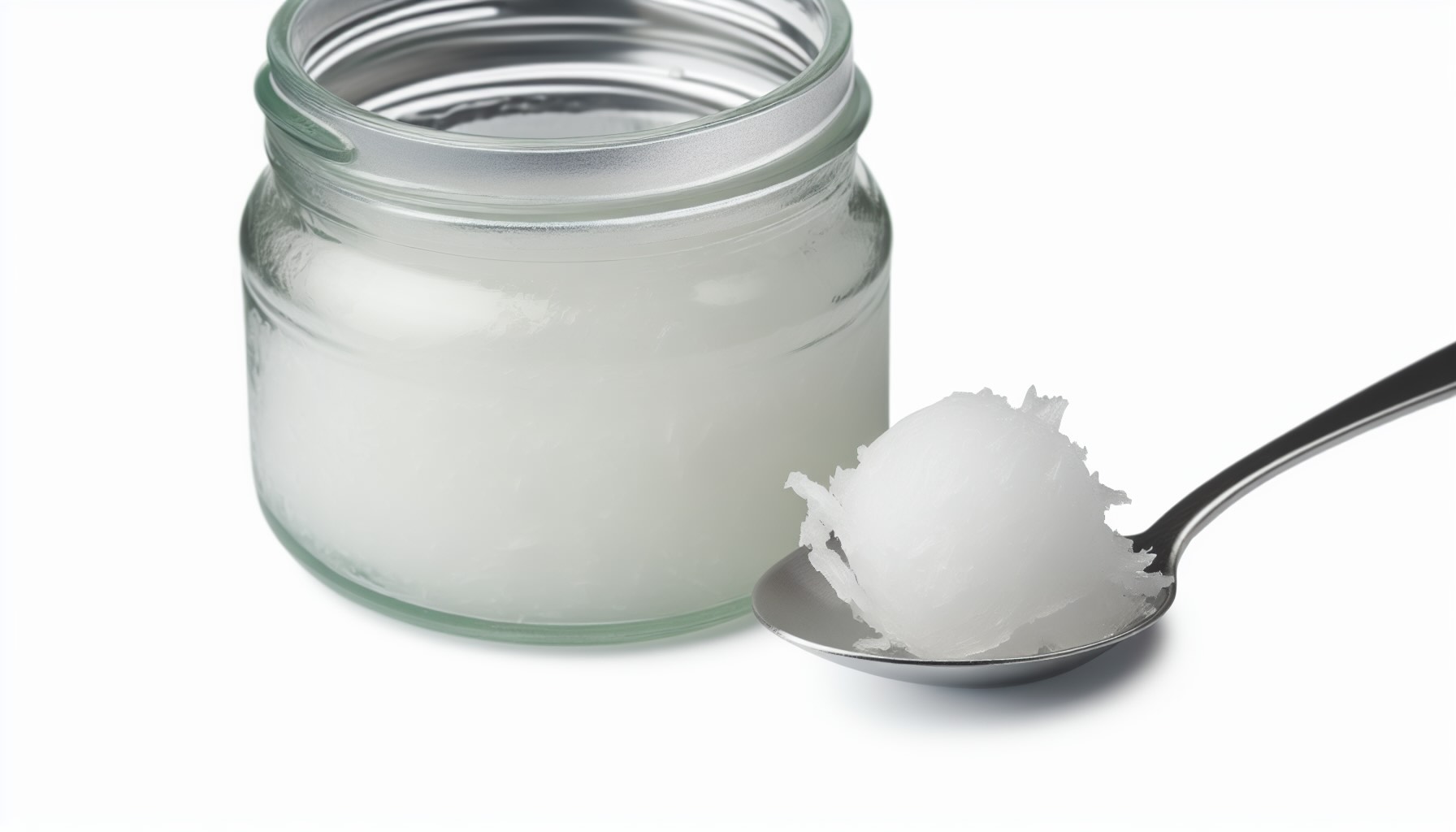
- Coconut Oil: Valued for its antibacterial lauric acid, it is solid at room temperature, making it easy to handle. It melts right in your mouth.
- Sesame Oil: An old favorite in Ayurveda that reduces bacteria and promotes gum health with Vitamin E.
- Olive Oil: Packed with polyphenols and antioxidants, good for your teeth and overall well-being. Rich in vitamins E and K1 for healthy gums.
# 5. Questions and tips about oil pulling
- Coconut oil vs. other oils? The noix de coco est un succès en raison de son goût et de l’acide laurique mortel. Choisissez les huiles en fonction de vos objects de santé et de vos papilles.
- Que se passe-t-il après le tirage d’huile? Have a utilisation régulière, les gens remarquent moins de mauvaise haleine, a sensation de fraîcheur dans la bouche et moins de plaque dentaire.
- Quelle est la meilleure huile et pourquoi? Chaque huile a ses atouts – la noix de coco pour le goût, le sésame pour les vitamines ou l’olive pour les antioxidants. Choisissez celle qui vous assemblage juste.
- Replace the brossage by the tirage d’huile? En also cas. Le tirage d’huile ne remplace pas le brossage des dents et n’est qu’un complément à l’hygiène buccale quotidienne..
- Quand est-il préférable de faire un tirage d’huile? Le mieux est le matin. This is the best moment to detoxify and eliminate the bacteria before the manger or the blood.
The finish of the paint is a simple and natural addition to your dental routine. La simplicité et les avantages potentiels en font une méthode populaire pour all ceux qui souhaitent améliorer leur bien-être avec des traditions éprouvées. Discuss everything with a health professional to assure you that it corresponds to your health course.
Templeshape
Turn reading into action.
Discover the Templeshape offer that fits your next step.
View schedule