March 17
Oil pulling is an ancient dental trick from Indian Ayurveda that is over 3,500 years old.
Oil pulling is about putting a spoonful of high-quality oil in your mouth to remove impurities and promote oral health.
The term "oil pulling" comes from the fact that the oil is "pulled" through your teeth. It used to be part of the morning routine because it was believed to improve health inside and out.
Nowadays, everyone is looking for natural health tips. Thanks to health bloggers, Nutritionist and social media gurus raving about the benefits of oil pulling, this old-fashioned method is getting a makeover.
However, some people are skeptical, so let's look at what the science says about oil pulling.
1. what science says about oil pulling
Scientists are curious about oil pulling because it has ancient roots. But they want solid proof.
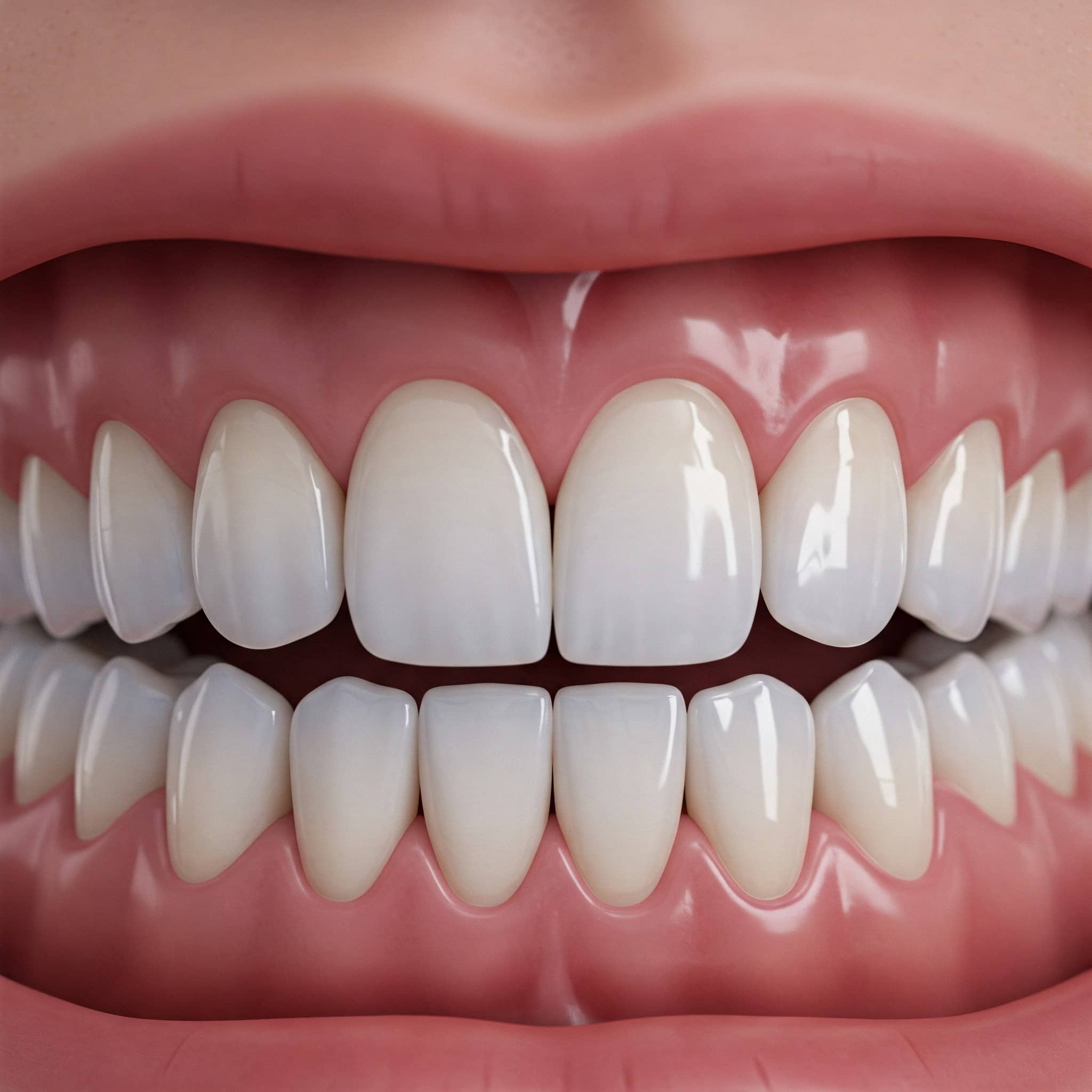
Studies, especially from India, show that oil pulling reduces the amount of harmful oral bacteria. reduce by 50 % can. It could help against the bad guys that form plaque and cause tooth decay, especially nasty bacteria like Streptococcus mutans - the troublemaker behind tooth decay.
But even though these small studies seem promising, we need larger studies to prove these claims. The scientific community agrees that oil pulling looks good, but still needs more studies. Nonetheless, it is safe and can be incorporated into your regular dental care routine, as no side effects have been found. Oil pulling is said to strengthen teeth and oral flora and prevent disease.

2 Why try oil pulling?
Oil pulling is a big hit for its health benefits, which range from Ayurveda-experts and fans of alternative healing methods. Mainly, it is celebrated for its oral health benefits. By reducing harmful bacteria, oil pulling can help prevent tooth decay, soothe swollen gums and fight bad breath. It is believed to fight bad breath by trapping and getting rid of stinky, sulfur-producing bacteria.
Some people believe that oil pulling not only helps the mouth, but the whole body. They claim it detoxifies your mouth, boosts your immune system and may help with acne, migraines and sinus problems. But these are mostly just stories, the science isn't there yet.
Open to nutritional advice?
Come and let us advise you!
3. instructions: How oil pulling works
Oil pulling is easy, but if you're doing it for the first time, it might feel a little strange. Here's how to get started:
- When: Do it first thing in the morning before you eat. This targets the bacteria that have developed overnight.
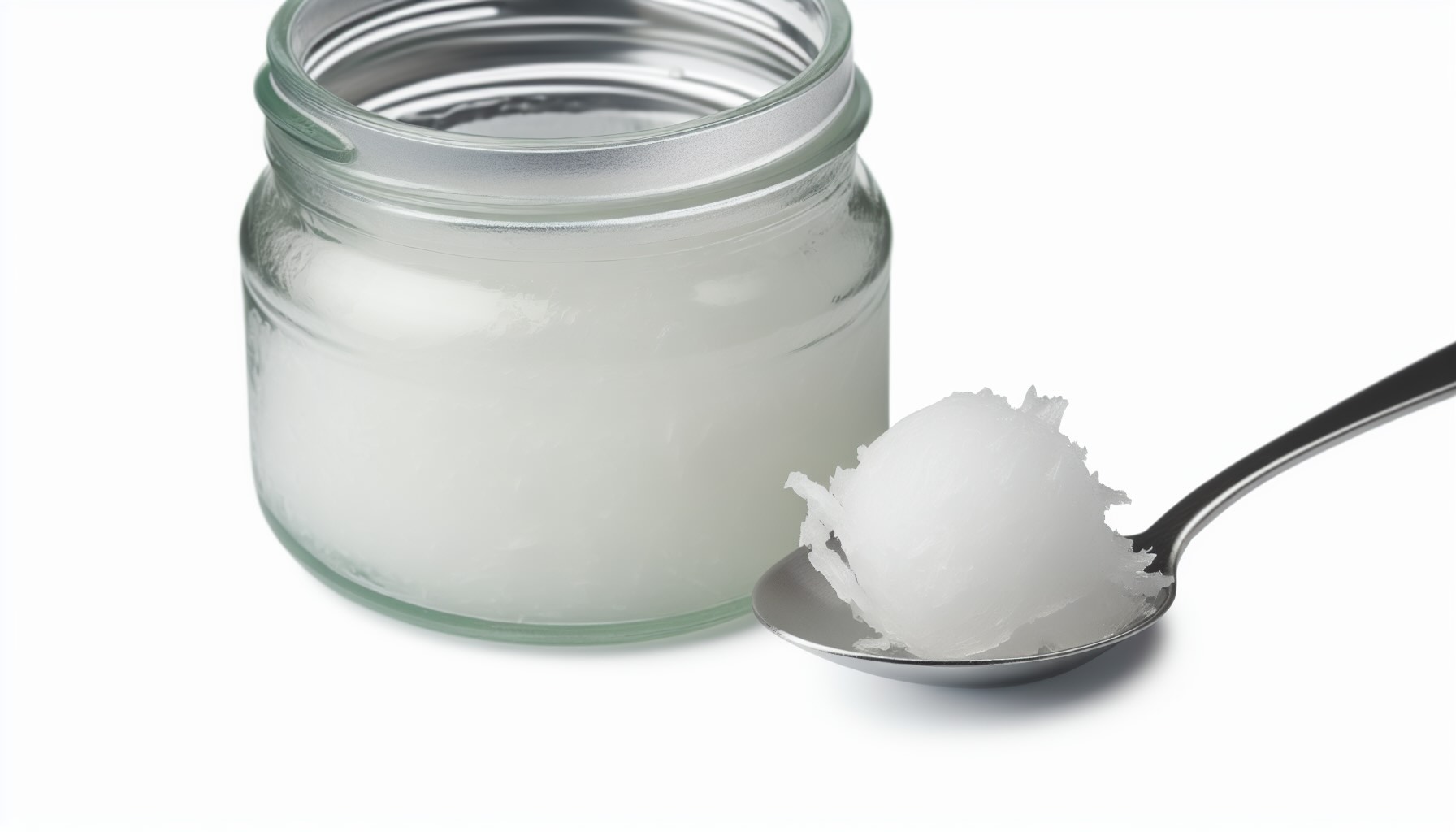
- Choose your oil: Popular oils are coconut, sesame and olive oil. Coconut has antibacterial properties against Streptococcus mutans, sesame has ayurvedic roots, and olive oil contains antioxidants.
- Start with the swipe: Use about a tablespoon of oil. Beginners can also start with less until they get the hang of it.
- How to hiss: Gently move the oil around in your mouth, especially between your teeth. You will achieve the best results if you do this for 15-20 minutes.
- Do not gargle: Do not gargle or swallow. The oil catches creepy stuff you don't want to swallow.
- Spit it out: Spit the oil into the trash, not the sink, because oils like coconut can clog pipes.
- Washing up and cleaning: Rinse with warm water and brush your teeth. Make this part of your daily oral care routine.
- Stay with it: Do it daily to get the best results. Consistency is the key to seeing change.
4 Which is the best oil?
Choosing the right oil makes a big difference. Here's a closer look at your options:
- Coconut oil: It is prized for its anti-bacterial lauric acid and is solid at room temperature, making it easy to handle. It melts directly in your mouth.
- Sesame oil: An old favorite in Ayurveda that reduces bacteria and promotes gum health with vitamin E.
- Olive oil: Packed with polyphenols and antioxidants, good for your teeth and general wellbeing. Rich in vitamins E and K1 for healthy gums.
5. questions and tips on oil pulling
- Coconut oil vs. other oils? Coconut oil is a hit because of its flavor and deadly lauric acid. Choose oils according to your health goals and your taste buds.
- What happens after oil pulling? With regular use, people notice less bad breath, a fresh feeling in the mouth and less plaque.
- The best oil and why? Each oil has its benefits - coconut for its flavor, sesame for its vitamins or olive for its antioxidants. Choose the one that feels right for you.
- Replace brushing with oil pulling? Absolutely not. Oil pulling does not replace brushing your teeth and is only a supplement to daily oral hygiene.
- When is it best to draw oil? The best time is in the morning. This is the best time to detox and eliminate bacteria before you eat or drink.
Oil pulling is a simple, natural boost to your dental routine. The simplicity and potential benefits make it a popular method for anyone looking to improve their wellbeing with time-honored traditions. Always speak to a health professional to make sure it's a perfect fit for your health journey.
tags