February 3
Eine Schwangerschaft ist ein außergewöhnliches Abenteuer.
Dein Körper verändert sich, um das neue Leben zu gebären. Da ist es nur natürlich, dass du Unterstützung für deinen Körper und deinen Geist brauchst.
Yoga ist ein fantastischer Weg, um diese Reise mit Anmut und Stärke zu meistern. Wir wollen uns mit Yoga für Schwangere beschäftigen und herausfinden, wie es zu einer harmonischen Schwangerschaft beitragen kann.
1. Einführung in Schwangerschaftsyoga
Schwangeren-Yoga ist eine sanfte, anpassungsfähige Methode, um die Fitness zu erhalten und Stress abzubauen. Es verbindet dich tief mit deinem wachsenden Baby. Im Gegensatz zu typischen Workouts konzentriert es sich darauf, den Atem mit der Bewegung in Einklang zu bringen und die Achtsamkeit zu fördern. Egal, ob du neu im Yoga bist oder schon Erfahrung hast, Yoga unterstützt die Bindung zwischen Mutter und Baby.
Pränatales Yoga beinhaltet Bewegungen, die sich an deinen sich verändernden Körper anpassen. Es sorgt für die Sicherheit des Babys. Yoga in der Schwangerschaft sollte immer die Sicherheit des Babys im Mutterleib an erster Stelle setzen. Außerdem bietet es emotionale und mentale Unterstützung. Die Techniken stärken deine Widerstandskraft und Gelassenheit und bereiten dich auf die Geburt vor. Dieser ganzheitliche Ansatz macht Yoga zu einem wichtigen Bestandteil der Schwangerschaft.
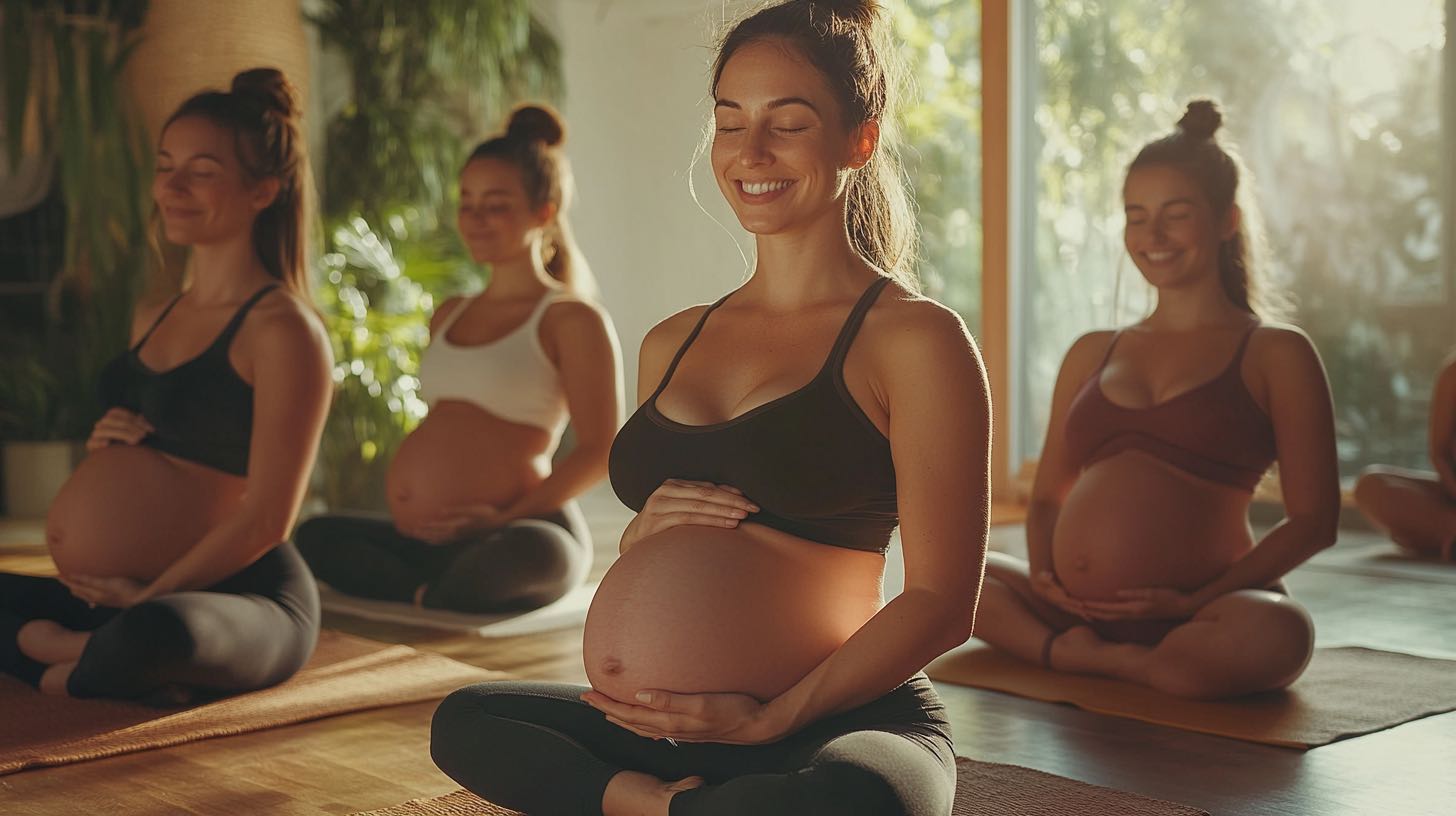
2. Wichtige Sicherheitsvorkehrungen und Do's & Don'ts
Bevor du mit Yoga beginnst, solltest du die wichtigsten Sicherheitsvorkehrungen kennen, um dich und dein Baby zu schützen.
Do's:
- Konsultiere deinen Arzt: Hol dir eine ärztliche Erlaubnis ein, besonders bei Komplikationen wie Plazenta previa oder einer Fehlgeburt in der Vergangenheit. Kenne deine körperliche Belastbarkeit.
- Höre auf deinen Körper: Nimm wahr, wie sich die Posen anfühlen. Wenn du dich unwohl fühlst, höre vorsichtig auf. Jede Schwangerschaft ist einzigartig. Nimm dich selbst wahr.
- Posen für mehr Komfort anpassen: Verwende Polster und Kissen, um das Gleichgewicht und den Halt zu erhalten.
- Konzentriere dich auf den Atem: Eine tiefe, gleichmäßige Atmung fördert die Entspannung und die Sauerstoffversorgung. Regelmäßiges Yoga während der Schwangerschaft erleichtert das Atmen während der Geburt.
Don'ts:
- Vermeide extreme Drehungen und Rückbeugen: Sie üben Druck auf die Gebärmutter aus. Sanftes Dehnen ist in Ordnung, wenn es keine Belastung darstellt.
- Nicht überanstrengen: Das Training sollte deinen Körper nähren und nicht belasten.
- Vermeide heiße Umgebungen: Vermeide heißes Yoga. Eine ruhige Atmosphäre ist gut für dich und dein Baby.
- In Rückenlage kann ab etwa der 34. Schwangerschaftswoche die Versorgung des Babys beeinträchtigt werden.
Wenn du diese Richtlinien befolgst, kannst du eine sichere und bereichernde Yoga-Erfahrung während der Schwangerschaft machen.
Bist du schwanger und willst Yoga machen?
Komm doch bei uns in die Stunde - wir haben selbst (werdende) Mütter im Team!
3. Vorteile von Yoga für werdende Mütter und Babys
Yoga bietet Vorteile für Körper und Geist:
- Körperliche Beweglichkeit und Flexibilität: Die Asanas verbessern die Mobilität und Flexibilität. Das ist wertvoll, wenn sich der Körper auf das wachsende Baby einstellt.
- Stärkt den Beckenboden: Die wichtigsten Übungen stärken die Muskeln, die für die Geburt und die Erholung wichtig sind. Unterstützt entscheidend die Wehen und das Wochenbett.
- Lindert Schmerzen: Lindert Rückenschmerzen, Müdigkeit und Ischiasbeschwerden. Moderates Kraft- und Ausdauertraining kann Schwangerschaftsbeschwerden wie Rückenschmerzen lindern. Die Dehnungen lösen Verspannungen und sorgen für eine bessere Haltung.
- Emotionales Gleichgewicht: Fördert die Endorphine, baut Stress ab und hebt die Stimmung.
- Wohlbefinden des Babys: Die Entspannung wirkt sich auch auf dein Baby aus. Mehr Sauerstoff durch tiefe Atmung fördert das Wachstum.
Diese Vorteile unterstützen sowohl die Schwangerschaft als auch die Erholung nach der Geburt.
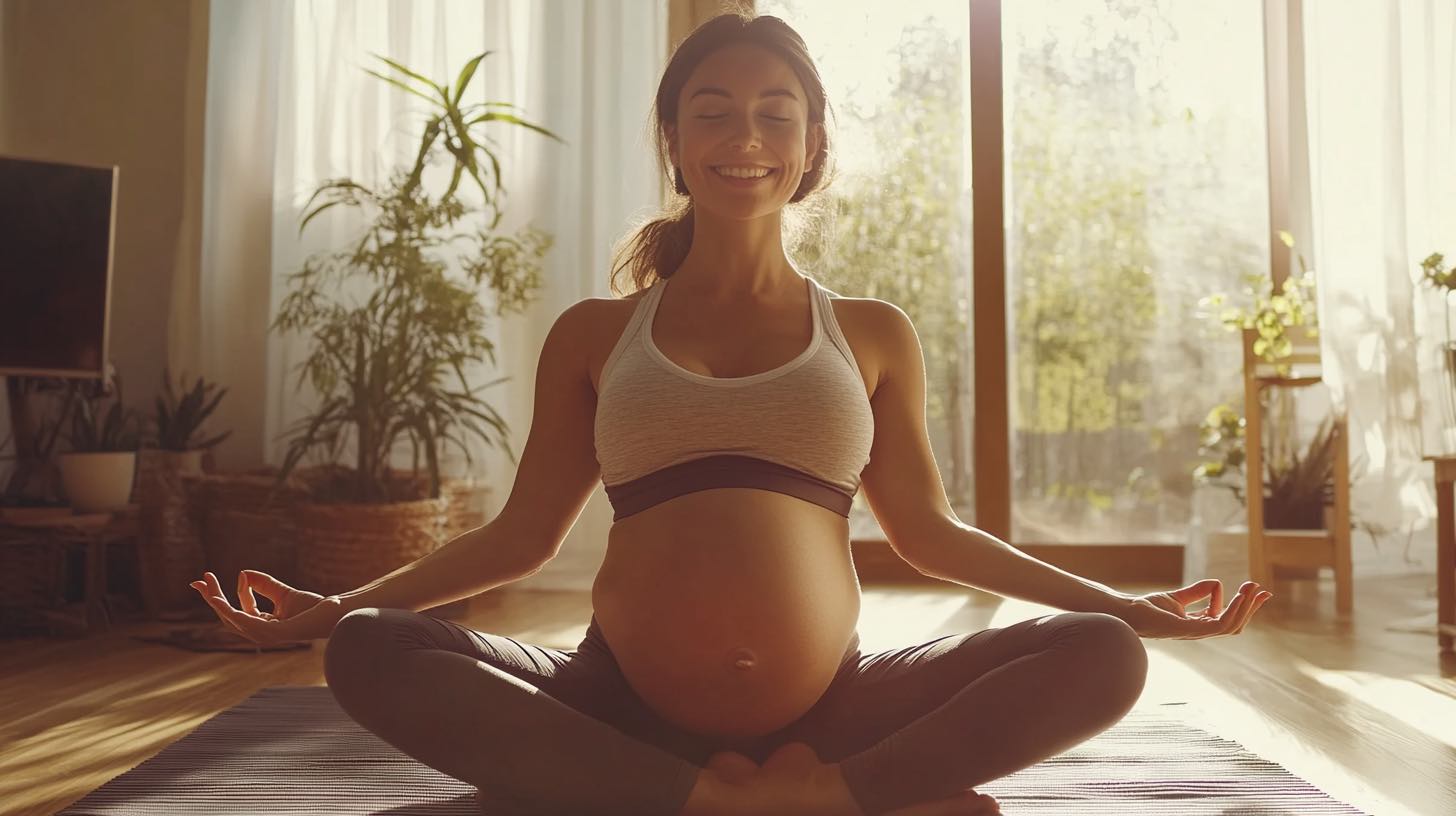
4. Förderung von Entspannung und emotionalem Wohlbefinden
Yoga ist ein Zufluchtsort. Es bietet Selbstbeobachtung und Frieden. Geführte Meditationen und Affirmationen lindern Ängste.
Herzöffnende Stellungen wie die Kinderstellung fördern das Loslassen von Emotionen. Yoga fördert die Selbstfürsorge, den Frieden und die Achtsamkeit.
Visualisierung und Affirmationen unterstützen eine positive Denkweise. Eine kraftvolle Methode, um während der Schwangerschaft wieder ins Gleichgewicht zu kommen.
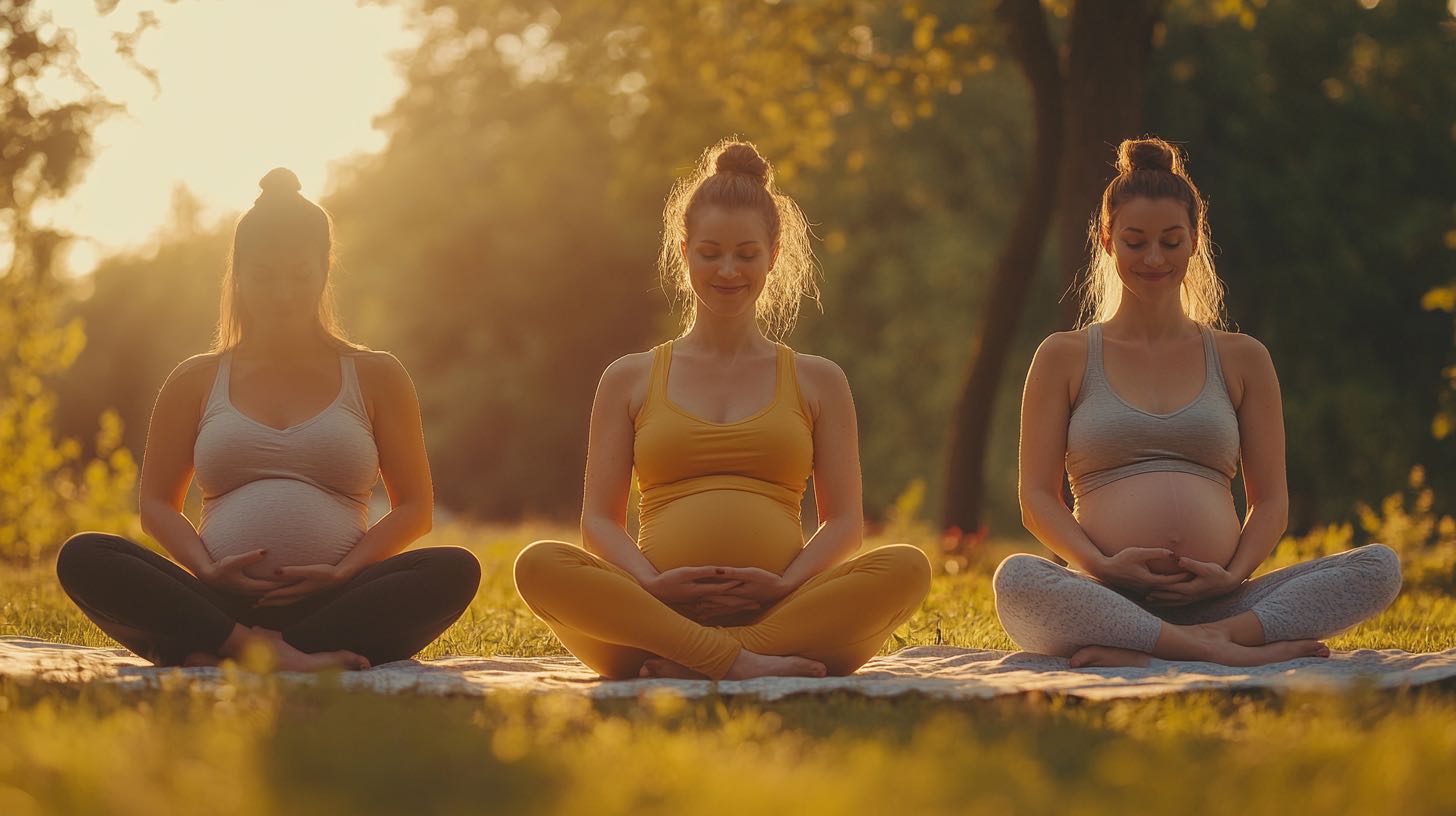
5. Beliebte Asanas für schwangere Frauen
Sichere, wohltuende Asanas für Schwangeren-Yoga:
- Tadasana (Bergstellung): Lehrt Gleichgewicht und Stabilität. Stärkt den Rumpf und die Körperhaltung.
- Baddha Konasana (Bound Angle Pose): Verbessert die Flexibilität des Beckens und reduziert Spannungen.
- Malasana (Yogi Squat): Öffnet die Hüften und stärkt den Rücken. Bereitet auf die Wehen vor.
- Virabhadrasana (Kriegerstellung): Stärkt die Beine und den Unterkörper.
- Savasana (Leichenstellung): Dient der Entspannung und dem Stressabbau. Image generation failed.
Diese Asanas verbessern die Fitness und vertiefen die Bindung zu deinem Baby. Leichte Modifikationen sorgen für Sicherheit und Komfort.
Bauchmuskeltraining sollte bis nach der Geburt verschoben werden um die Sicherheit zu gewährleisten.
Schwangeren-Yoga ist eine sanfte Art, diese transformative Reise zu feiern. Nimm jede Stunde achtsam wahr und höre auf deine Bedürfnisse. Yoga verbindet dich mit deinem Baby und bereichert deine Erfahrung mit Gelassenheit und Stärke.
Ob allein oder in einer Gruppe, Yoga unterstützt deine Gesundheit und deine Selbstbestimmung in dieser Zeit. Mit einer durchdachten Praxis kannst du diese Vorteile auch in der Mutterschaft nutzen, indem du sie mit Liebe und Ausdauer auskostest.
Tags