March 17
Water retention after sports & training
0 comments

Water retention is common among athletes and fitness enthusiasts.
It affects the appearance and function of the muscles. Knowing the causes and solutions is important for physical performance and appearance. In this guide, we will discuss the science of water retention, its connection with training, and muscle health.
We will also provide you with tips on how to manage and prevent water retention, tailored to different fitness routines and health needs.
Water retention in the muscles is caused by several factors:
1. Inflammation due to micro-injuries: Exercise, especially heavy lifting, causes tiny muscle tears. These tears trigger inflammation, causing the body to send extra fluid for healing to the muscles. This swelling is a natural part of recovery.
2. Hormonal fluctuations: Hormones like cortisol, which are released during stress or exercise, affect fluid balance. High cortisol levels lead to increased sodium and water retention in the kidneys, which exacerbates fluid accumulation. Mental stress and intense training can increase cortisol levels, potentially leading to water retention.
3. Dietary factors: A sodium-rich diet leads to water retention by increasing blood volume and blood pressure. A low protein intakecan also upset fluid balance and worsen water retention. A protein-rich dietcan help prevent water retention.
4. Genetic and health conditions: Some people may naturally retain water more easily. Conditions like heart or kidney diseases can disrupt fluid regulation and worsen retention. Medical advice is necessary for these issues. Chronic stress can cause water retention and lead to edema.
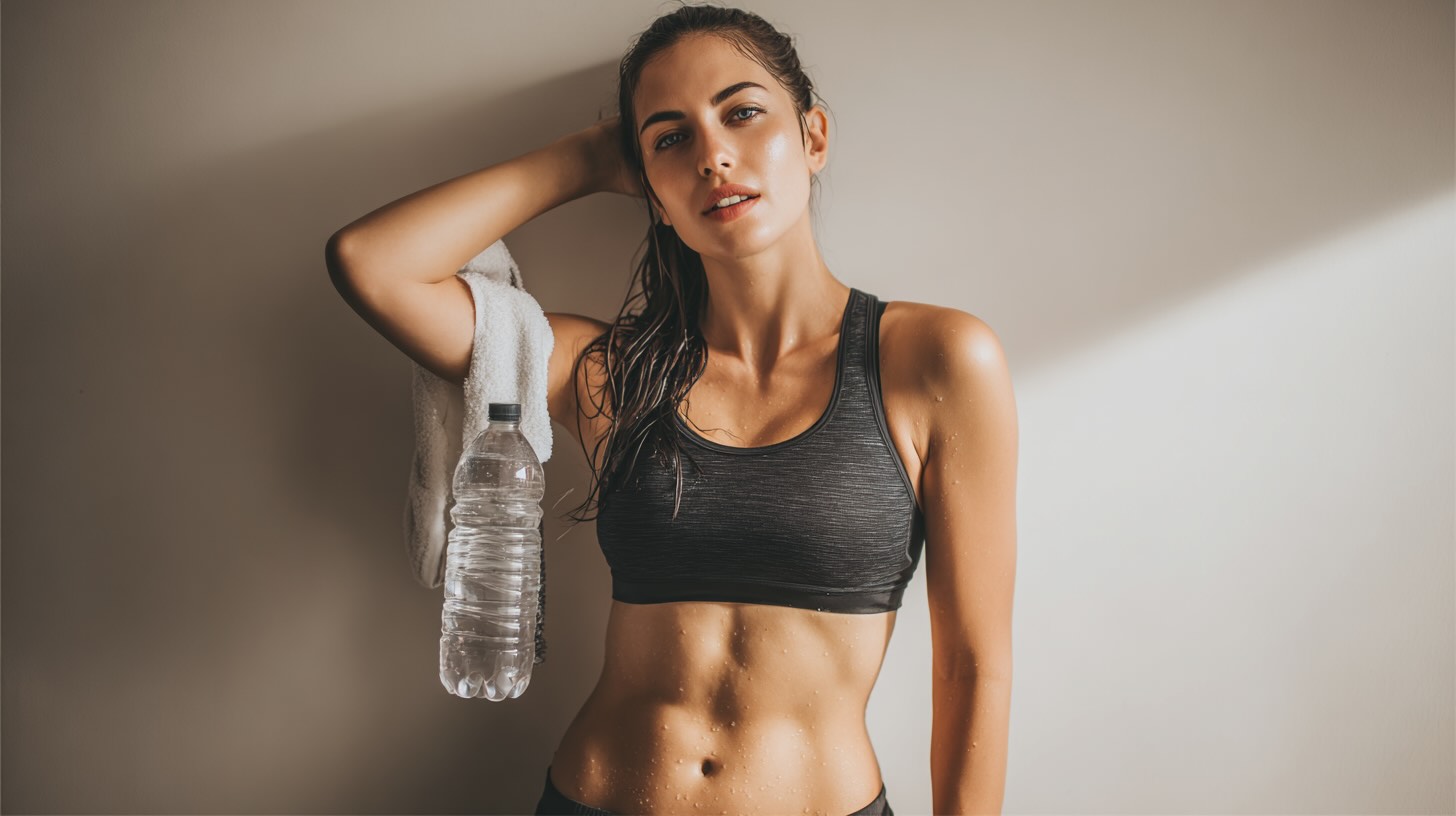
To manage water retention, you need to adjust your lifestyle, diet, and exercise:
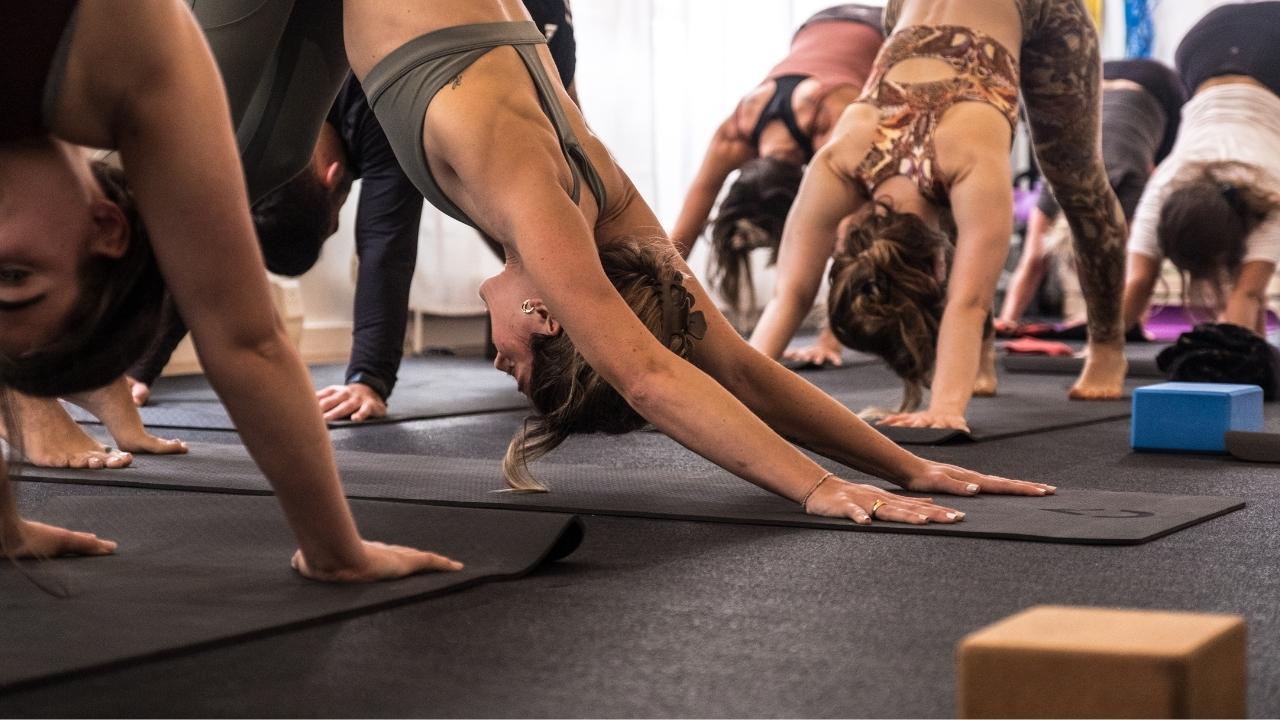
Now Book fitness group classes in Wiedikon & at the airport!
Wassereinlagerungen nach dem Krafttraining sind normal. Sie sind ein Zeichen für die Heilung und Anpassung des Körpers. Die Muskeln lagern nach dem Training mehr Glykogen ein, das Wasser bindet und so zu mehr Flüssigkeit in den Muskeln führt. Diese vorübergehende Veränderung wirkt sich auf das Gewicht und die Maße aus, da es sich um Wasser und nicht um Fett handelt. Muskelgewebe ist dichter als Fett, was zu einer höheren Gesamtgewichtszunahme führen kann.
Hormone regulieren die Flüssigkeitsretention. Stress und Sport erhöhen den Cortisolspiegel, was zu Wassereinlagerungen führt. Bei Frauen kann es aufgrund von Hormonveränderungen auch zu Wassereinlagerungen während der Menstruation kommen.
Um hormonbedingte Wassereinlagerungen in den Griff zu bekommen, solltest du stressreduzierende Aktivitäten wie Yoga, Meditation und Atemübungen ausprobieren. Ausreichend Schlaf und ein ausgewogenes Training helfen, den Cortisolspiegel in Schach zu halten. Krafttraining verbessert die Schlafqualität und die Körperhaltung.
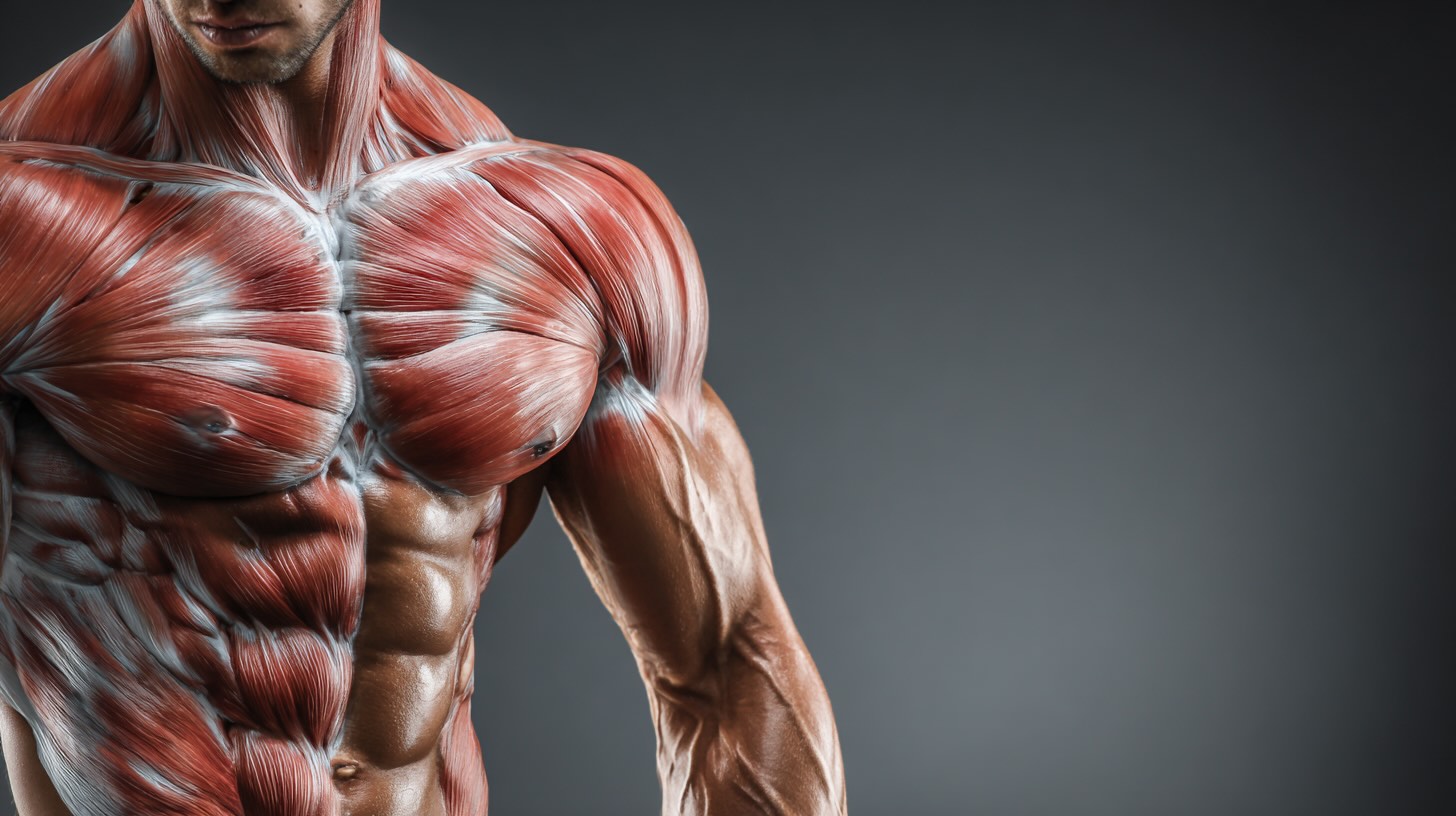
Bewegung hilft, den Flüssigkeitshaushalt im Gleichgewicht zu halten. Er verbessert die Blutzirkulation und den Lymphfluss und verhindert so Flüssigkeitsansammlungen. Bewegung hilft dem Körper, den Wasserhaushalt zu regulieren und den Lymphfluss zu unterstützen.
Aerobe Übungen wie Gehen und Schwimmen fördern die Gesundheit des Herzens und die Flüssigkeitsbewegung. Beim Krafttraining solltest du auf Form und Qualität achten, um übermäßige Entzündungen und Flüssigkeitsansammlungen zu vermeiden.
Krafttraining erhöht zunächst die Wassereinlagerungen, da sich die Muskeln anpassen. Es wird mehr Glykogen eingelagert, was Wasser mit sich bringt und das Muskelvolumen erhöht. Diese vorübergehende Veränderung ist ein Zeichen des Fortschritts.
Mit der Zeit passt sich der Körper an, was zu einem stabilen Glykogenspiegel und einer besseren Muskeldefinition führt. Ausdauer ist der Schlüssel, denn die anfänglichen Blähungen sind nur vorübergehend.
Proaktive Schritte können unerwünschte Wassereinlagerungen reduzieren:
Wenn du die Wassereinlagerungen in den Muskeln verstehst, kannst du deine Fitness intelligent angehen. Wenn du diese Faktoren im Griff hast, können Athleten und Sportler ihre Ziele erreichen und ihr Wohlbefinden erhalten.
Tags