Es befinden sich keine Produkte im Warenkorb.
Juli 7

20 km laufen klingt hart, oder?
Aber es ist die Geheimwaffe der Marathonläufer!
Egal, ob du ein erfahrener Läufer oder ein Neuling bist, der seine Leistung steigern will, ein 20-km-Lauf ist sehr lohnend. Noch nicht überzeugt?
Dann erfahre jetzt, warum du dir die Schuhe schnüren und loslaufen solltest!
Warum 20 km laufen? Ganz einfach: Es ist die perfekte Ausdauerherausforderung! Genug, um an deine Grenzen zu gehen, ohne dich zu überfordern.
Wenn du 20 km läufst, kannst du den Langstreckenlauf ohne den Stress eines Marathons genießen. Stell dir vor, du probierst die Schokolade in einer Kuchenmischung, ohne das ganze Ding zu backen. Außerdem trainiert es die aerobe Ausdauer, verwandelt dich vom Stubenhocker zum Sprinter und stärkt deine mentale Stärke.
Spaßfakt: Das "Läuferhoch" ist bei längeren Läufen wie 20 km stärker ausgeprägt. Endorphine, Dopamin, Serotonin... dein Gehirn veranstaltet eine Wohlfühlparty!
Ein 20-km-Lauf ist auch gut für das Ausdauertraining. Deine Mitochondrien brummen, die Kapillaren weiten sich und die Sauerstoffversorgung wird verbessert. Beim langen Laufen wird Fett zunehmend als Energiequelle genutzt, wenn die Glykogenspeicher aufgebraucht sind. Du speicherst mehr Glykogen, was dir bei zukünftigen Läufen hilft.

Das Training für einen 20-km-Lauf ist wie eine Tanzroutine, nicht wie ein Bootcamp. Steigere allmählich deine Laufleistung und streue Ruhetage ein. Es geht darum, dein Laufverhalten zu überdenken und die Kunst des Tempos zu lernen.
Beginne mit kürzeren Läufen und erhöhe deine wöchentliche Laufleistung vorsichtig um 5-10%. Regelmäßigkeit ist der Schlüssel - um Verletzungen vorzubeugen und die Ausdauer zu stärken. Denke daran, dass der lange Lauf nicht mehr als ein Drittel der gesamten Wochenkilometer überschreiten sollte. Dies hilft, die Belastung zu kontrollieren.
Stell dir deine Trainingswoche wie ein Menü vor. Leichte Läufe als Grundnahrungsmittel, Tempoläufe für den Schwung und ein langer Jogginglauf, um die Ausdauer zu verbessern. Sorge mit Intervallen für Abwechslung.
Cross-Training und Kraftübungen sind ebenfalls wichtig. Sie stärken die Muskeln und schützen vor Verletzungen wie dem Läuferknie. Verletzungsrisiken können besonders bei Läufen zwischen 30 bis 34 km exponentiell ansteigen, daher ist ein 20-km-Lauf eine sicherere Distanz.
Effektive Pläne halten ein Gleichgewicht zwischen leichten und schweren Tagen. Nutze Erholungswochen, um Körper und Geist zu verjüngen. Denke daran: Erholung ist keine Pause, sondern Teil des Trainings!
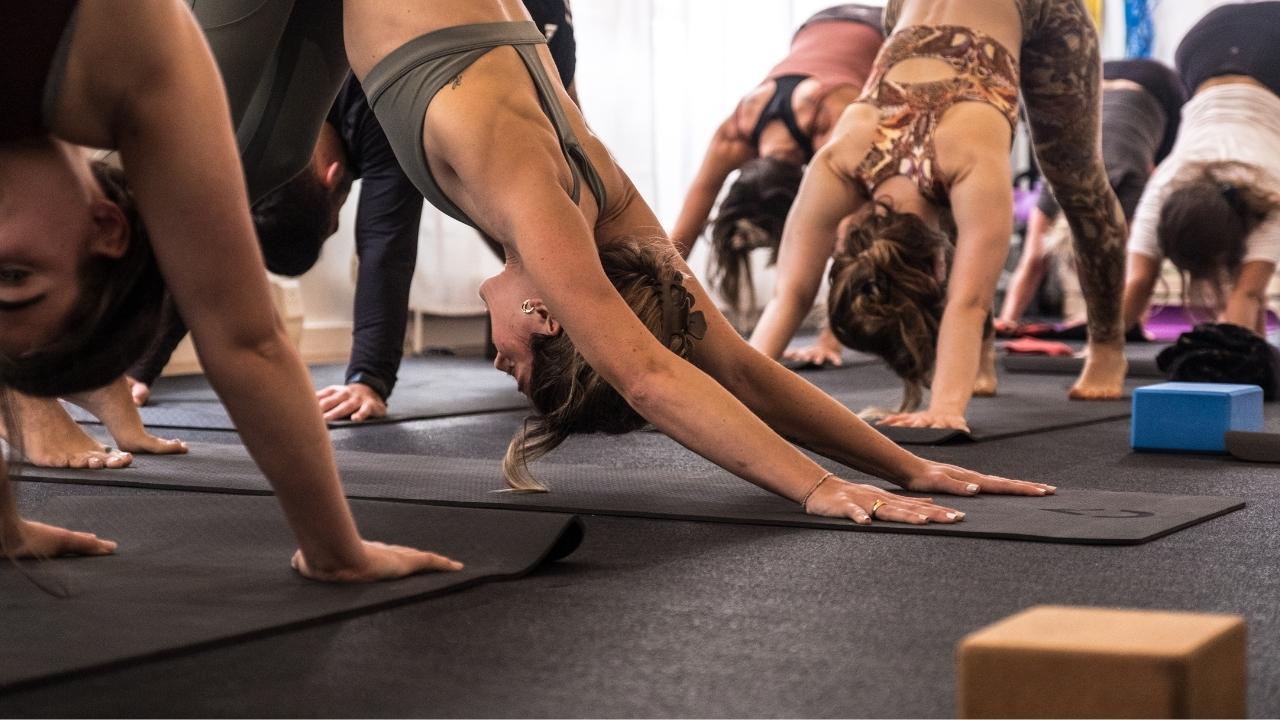
Jetzt Fitness Gruppenstunden in Wiedikon & am Airport buchen!
Die richtige Ernährung ist für lange Läufe entscheidend. Entscheide dich für langsam verfügbare Kohlenhydrate und lass das Gebäck weg. Vollkornprodukte, Obst und Gemüse liefern lang anhaltende Energie. In einem Marathon ist es besonders wichtig, mehr Fett als Energiequelle verwenden zu können.
Flüssigkeitszufuhr ist wichtig. Wasser ist das A und O, aber bei langen Läufen helfen auch Elektrolytgetränke. Energiegels oder Kaugummis sorgen für den nötigen Schub während des Laufs.
Teste deinen Ernährungsplan während des Trainings. Du willst keine Überraschungen an der Zehn-Kilometer-Marke erleben. Nimm vor dem Lauf ein leichtes Frühstück zu dir. Gönne dir nach dem Lauf eine proteinreiche Mahlzeit zur Erholung.

Ein 20-km-Lauf ist auch ein mentales Workout. Es ist wichtig, in der "Zone" zu bleiben. Musik hilft dabei - erstelle eine Playlist, die deine Stimmung hebt und das Adrenalin in die Höhe treibt.
Setze die Visualisierung als Waffe ein: Stell dir vor, wie du die Ziellinie in voller Pracht überquerst. Positive Affirmationen schützen vor Zweifeln. Mantras wie "Jeder Schritt ist Stärke!" wirken Wunder.
Laufkameraden oder Gemeinschaftsveranstaltungen bieten Unterstützung. Mentales Üben schafft eine Vertrauensbasis. Plane jede Herausforderung vor dem Lauf im Geiste.

Es ist Renntag!
Nervosität ist normal - betrachte sie als Schmetterlinge in der Vorbereitung. Schlafe gut. Erwache bereit, denn der echte Renntag schlägt jeden Traum.
Genieße am Morgen ein leichtes Frühstück. Komme früh an, um die Energie aufzusaugen. Beruhige deinen Geist, während du die Schuhe schnürst.
Ruhetage sind wichtig, um die optimale Fitness zu erreichen. Selbst Freizeitsportler sollten mindestens zwei Ruhetage pro Woche einplanen.
An der Startlinie solltest du nicht sprinten. Finde ein gemütliches Tempo und höre auf deinen Körper. Trinke, wenn du Durst hast, und dehne dich, wenn nötig.
Konzentriere dich auf dein "Warum". Visualisiere die Ziellinie. Genieße die Kameradschaft unter den Läufern - tausche Lächeln und Ermutigung aus.
Schwelge nach dem Lauf im Triumph. Belohne dich mit einer Dehnübung oder einem Smoothie. Couch-Potato mit einem Film? Völlig verdient! Dein 20-km-Lauf ist nicht nur ein Meilenstein, sondern der Höhepunkt von Ehrgeiz, Lachen und Selbstreflexion.
Bist du bereit, 20 km in die Tat umzusetzen?
Schnüre dich an, nimm die Reise in Angriff und lass den Spaß beginnen!
Am besten springst du danach gleich in den See oder nimmst ein Eisbad 😉
Tags
 EN
EN FR
FR DE
DE