No products in the cart.
March 25
Yoga Studio Zurich
0 comments

If you want to deepen your practice and exchange ideas with like-minded people, a yoga workshop in Zurich might be just the right opportunity for you.
The largest city in Switzerland is not only known for its breathtaking views and chocolate, but also for its vibrant yoga community and diverse workshop offerings.
Are you wondering why you should attend a yoga workshop in Zurich?
Well, first of all, it's a great way to immerse yourself in practice without the distractions of everyday life.
Whether you are an experienced yogi or just starting out, workshops offer you the unique opportunity to focus on specific aspects of your practice and receive individual guidance from experienced teachers.
The best thing about attending a yoga workshop in Zurich is the variety of styles and themes.
From traditional Hatha and Vinyasa Flow to more specialized practices like Yin Yoga and Aerial Yoga, there is something for everyone.
Whether you want to work on your alignment, deepen your meditation practice, or simply relax and unwind, you will find a workshop that suits your needs.
In addition to traditional yoga styles, many workshops in Zurich also offer unique experiences such as sound healing sessions, partner yoga classes, and even outdoor classes in the beautiful Swiss landscape.
You have the opportunity to explore new techniques, meet like-minded people, and feel refreshed and rejuvenated.
So if you're ready to take your practice to the next level and experience all that Zurich has to offer, why not sign up for a yoga workshop?
Yoga, Fitness & Pilates
Templeshape offers you everything you need for a healthy and balanced life!
Are you new to the world of yoga and feel a little overwhelmed by all the different poses and techniques?
Don't worry, with our workshop 'Yoga for Beginners' we offer you a gentle introduction to this ancient practice.
When you start with yoga, it is important to choose a beginner-friendly approach.
Yoga can be quite intimidating for beginners, with all those Sanskrit names and complex poses.
That's why our workshop is specially designed for beginners, so that you feel comfortable and supported at every step.
We know that every body is different and what works for one is not necessarily what suits another.
That's why our instructors are trained to modify each pose so that you can discover what suits you best.
In addition, we ensure proper alignment and conscious breathing, so you can practice safely and mindfully, without risking injury.
In our workshop, we will cover some of the asanas (postures) basic ones that are perfectly suitable for beginners.
From downward-facing dog to child's pose, we will guide you step by step through each posture and ensure you know how to perform them safely and effectively.
We will also introduce you to some simple breathing techniques that will help calm your mind and center your body.
Awareness of breathing is an important element of yoga practice and helps you connect with your body and soothe your mind.
By focusing on your breath during different poses, you can reduce tension and stress and fully immerse yourself in the practice.
Our yoga teachers will teach you various breathing techniques that you can incorporate into your practice and that will help deepen your yoga experience.
We do the same in our Pilates studio in Kreis 3 (Wiedikon).
So, if you're ready to dive into the world of yoga, our 'Yoga for Beginners' workshop is the perfect starting point.
In a supportive and inclusive environment, you will feel empowered to explore this ancient practice at your own pace.
Join us and discover the transformative power of yoga!
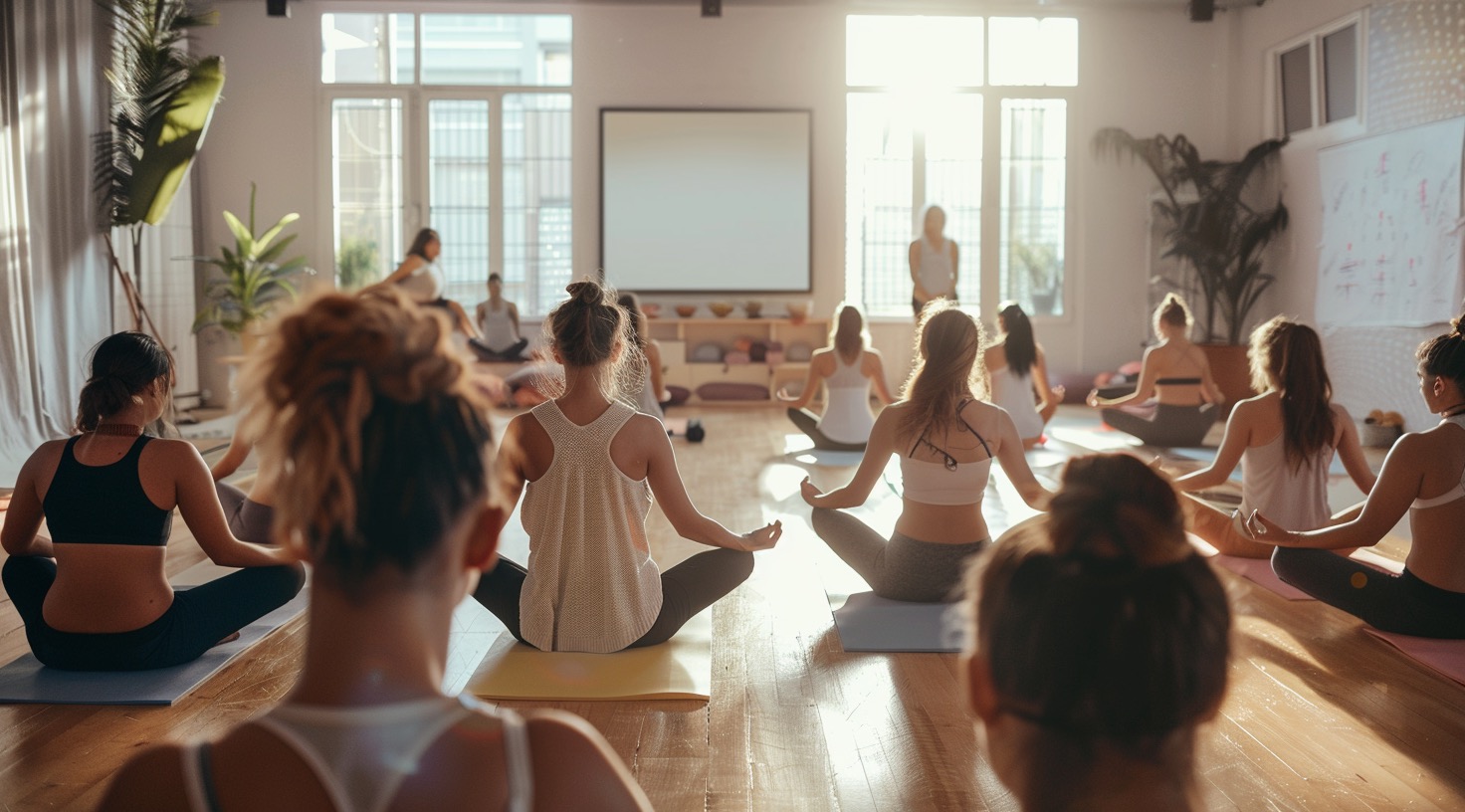
What is Yin Yoga, you ask?
Unlike more dynamic yoga styles like Vinyasa or Hatha, Yin Yoga focuses on holding postures longer - usually about 3 to 5 minutes.
This allows the muscles to relax and targets the connective tissue, which promotes flexibility and joint mobility.
The main difference between Yin Yoga and other yoga styles is that not only the muscles but also the deeper tissues of the body are engaged.
This can help release tensions and contractions that are deeply rooted in the body, leading to a feeling of lightness and relaxation.
When you practice Yin Yoga, you often find yourself in seated or lying positions that you need to hold for several minutes.
This can be a challenge at first, especially if you are used to faster yoga styles, but with time and a bit of practice, you will find that you sink deeper into each pose and feel a deep sense of relaxation.
The most common poses in Yin Yoga include the child's pose, butterfly pose, dragon pose, and sphinx pose.
These poses are designed to gently stretch and engage different areas of the body, allowing you to release tensions and find a sense of peace in body and mind.
In addition to the physical benefits of Yin Yoga, there are also mental benefits.
By holding the poses longer, you are forced to slow down and be present in the moment.
This can help calm the mind and promote a sense of relaxation and inner peace.
So, if you wish to let go of stress and tensions and truly relax your body and mind, try Yin Yoga.
Maybe this is exactly the practice you were looking for to relax and find the much-desired peace in your hectic life.
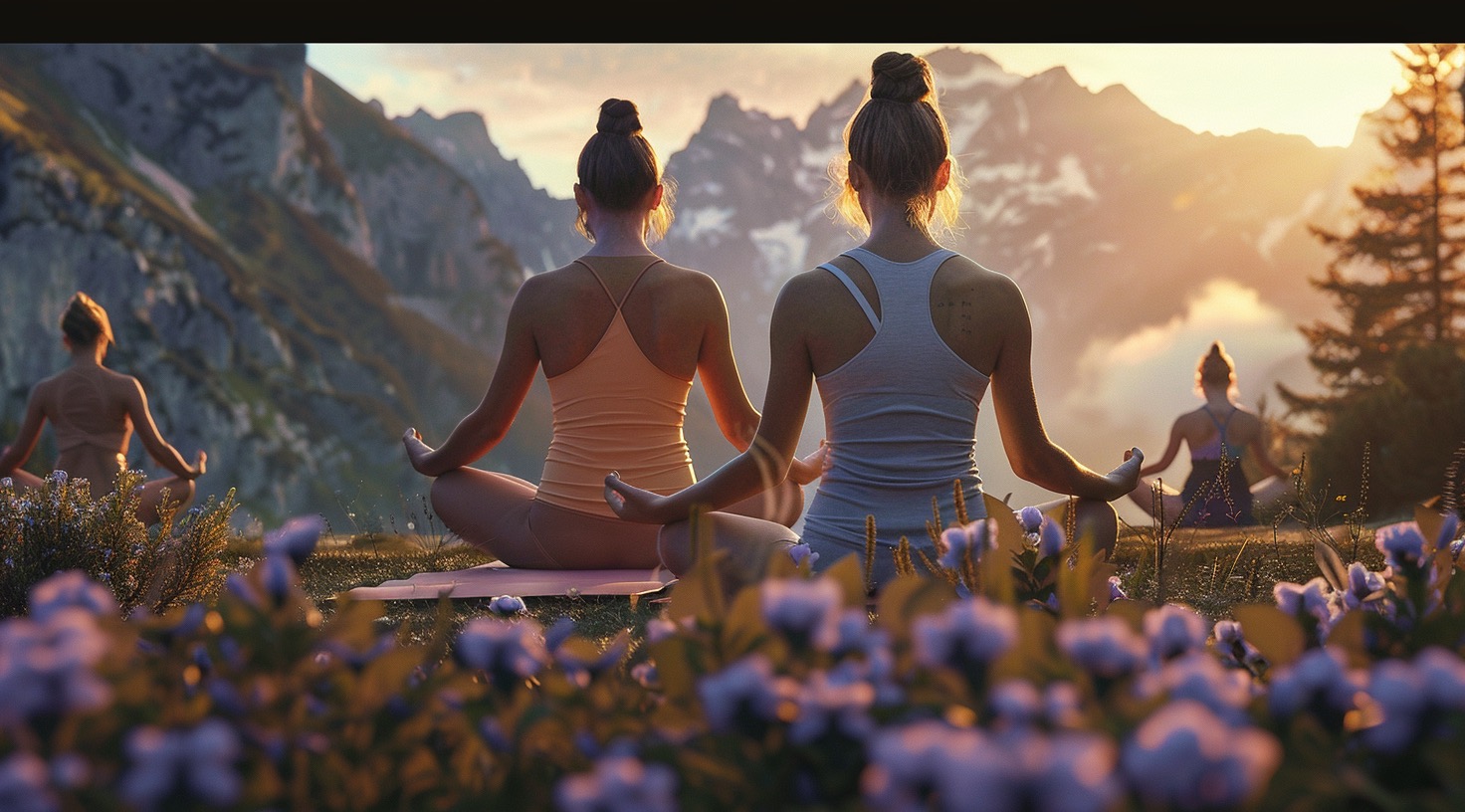
Yoga Nidra is a powerful practice that plunges you into a state of deep relaxation while remaining fully conscious.
It is often referred to as yogic sleep, as it allows you to benefit from the restorative powers of sleep while remaining aware of your surroundings.
This practice has been used for centuries to reduce stress, improve concentration, and promote general well-being.
During a Yoga Nidra session, you are guided through a series of relaxation techniques that help you release tensions in the body and mind.
By focusing on your breathing and the different sensations in your body, you can develop a sense of inner peace and deep calm.
This practice is not only regenerating for the body but also nourishing for the mind and soul.
If you wish to experience the benefits of Yoga Nidra by yourself, here are some practical instructions to get started:
- Find a quiet and comfortable place where you will not be disturbed.
- Lie on your back, arms at your sides, palms facing up.
- Close your eyes and take a few deep breaths to connect with your body.
- Start scanning your body from head to toe and pay attention to any areas where you feel tense or uncomfortable.
- Slowly release all tensions by focusing on relaxing that part of your body.
When you have relaxed your whole body, direct your attention to your breathing.
Follow the guided instructions or script that should lead you deeper into relaxation.
Allow yourself to fully immerse in the exercise and let go of any thoughts and concerns that arise.
When the session is over, take a few moments to return to a state of mindfulness before opening your eyes.
When you integrate Yoga Nidra into your routine, you can improve your overall well-being and experience deep relaxation like never before.
So why not try and see how this ancient practice can help you?
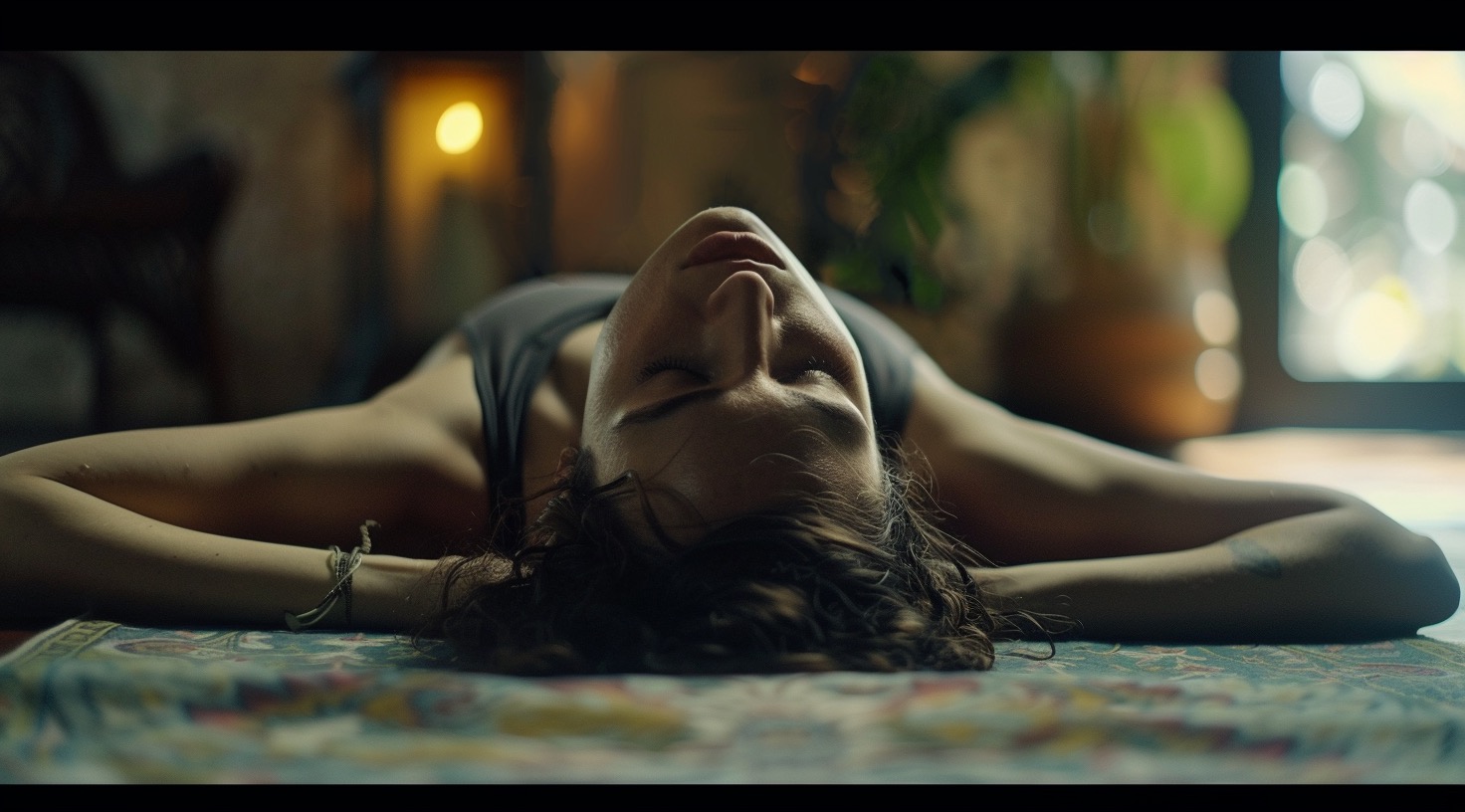
If you hear about Acro Yoga for the first time, it may seem a bit intimidating.
Images of people floating in the air and turning with ease might make you think it's only for circus performers or contortionists.
But the truth is that Acro Yoga is accessible to everyone!
During our last workshop in Zurich, we focused on the fundamentals of Acro Yoga and the importance of safety measures.
We wanted to ensure that everyone feels comfortable and safe while trying new poses and movements.
One of the most important things we emphasized was communication between partners.
Trust is paramount in Acro Yoga.
That's why it's important that you can openly talk with your partner about what feels right or not.
We also discussed some important safety measures to follow in Acro Yoga.
Things like correct alignment, the use of spotters if necessary, and listening to your body were particularly highlighted during the workshop.
We wanted everyone to feel safe while exploring this new practice.
After familiarizing ourselves with the fundamentals and safety measures of Acro Yoga, it was time to do some fun exercises and flows with partners.
This is where the true magic of Acro Yoga comes to life – in the connection between partners as they lift each other, support each other, and find balance together.
We started with some simple duo exercises to get used to collaborating.
Things like hand-to-hand connections, basic lifts, and counterbalances helped us establish trust and communication with our partners.
It was amazing to see how quickly everyone assimilated these movements and could work together harmoniously.
As the workshop progressed, we moved on to more complex sequences and routines in Acro Yoga.
That's when things really started to get exciting! We played with inverted positions, transitions between poses, and even some flying sequences, where everyone felt like they were floating in the air.
At the end of the workshop, everyone was beaming with joy and excitement for what they had accomplished together.
The feeling of community and the support you feel when practicing Acro Yoga with others is truly incomparable.
It's amazing what can happen when you trust yourself, your partner, and the process.
So, if you ever have the chance to try an Acro Yoga workshop, take it!
Let's now dive deep into the world of breathwork and explore the incredible power of breathing exercises.
If you've ever attended a yoga class, you already know that breathing plays an essential role in the practice.
But did you also know that there are certain breathing techniques known as Pranayama that can have a profound impact on your physical and mental well-being?
Breathing is something we do without thinking, but when we become aware of our breath and learn to control it, amazing things can happen.
In yoga and Pilates, breathwork is considered one of the most important aspects of the practice.
It not only helps to calm the mind and reduce stress, but also energizes the body and improves circulation.
When we focus our attention on our breath during yoga postures, we can increase our lung capacity, improve our posture, and even enhance our concentration and focus.
By integrating certain breathing techniques into our practice, we can develop a deeper sense of self-awareness and mindfulness.
There are many different Pranayama techniques that you can incorporate into your yoga practice, each with its own benefits.
One of the most common techniques is Ujjayi breathing, also known as oceanic breathing.
To practice Ujjayi breathing, start by inhaling deeply through the nose.
When you exhale through the nose, slightly constrict the back of your throat to produce a soft hissing sound.
This controlled breathing technique helps to calm the mind and regulate the flow of energy in the body.
Another popular pranayama technique is Nadi Shodhana, alternate nostril breathing.
With this technique, you alternately block one nostril with your thumb and ring finger while inhaling and exhaling through the other nostril.
Nadi Shodhana helps to balance the left and right hemispheres of the brain, reduce stress, and improve mental clarity.
Now let's move on to an exciting new wellness trend: combining yoga and breathing with the ice bath.
Ice baths have been used for centuries to boost the immune system, reduce inflammation, and improve blood circulation.
If you combine an ice bath with breathing techniques like Wim Hof breathing or Kundalini breathing, you can take your practice to a whole new level.
The combination of cold exposure and controlled breathing can help strengthen your immune system, increase your tolerance to discomforts, and enhance your mental resilience.
Moreover, it's an excellent way to challenge yourself both physically and mentally.
So, the next time you feel stressed or overwhelmed, consider incorporating breathing exercises into your yoga practice or try a plunge into cold water during a ice bath at Templeshape Studio.
You will be surprised by the power that the simple act of breathing can have!
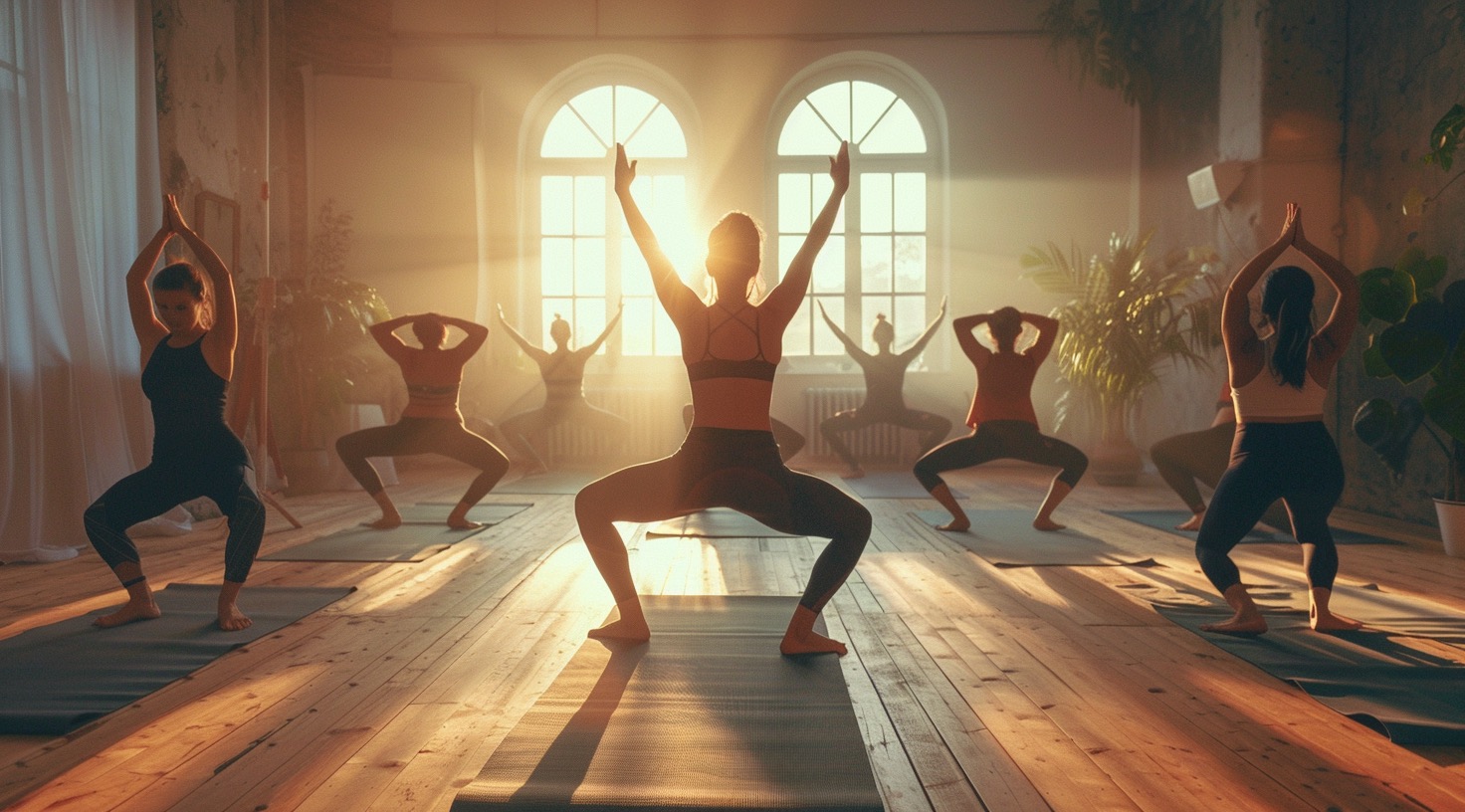
Vinyasa Flow Yoga is centered on movement and breathing.
It is a dynamic and fluid style of yoga that emphasizes connecting each movement with the breath to create a seamless and graceful practice.
In our upcoming yoga workshop in Zurich, we will dive deeply into the philosophy and practice of Vinyasa Flow and explore the principles of this style of yoga to apply them to our own practice.
The philosophy behind Vinyasa Flow is based on the idea of moving with intention and purpose.
Each movement is linked to the breath, creating a continuous flow that helps calm the mind and focus on the present moment.
By synchronizing our movements with our breath, we can cultivate a sense of mindfulness and awareness that extends beyond the mat into our daily lives.
In our yoga workshop in Zurich, we will discover different sequences and exercises that will help you develop strength, flexibility, and balance while executing your practice smoothly.
From sun salutations to standing poses and inversions, we will break down each sequence step by step and provide you with the tools you need to move with ease and grace.
One of the most important elements of Vinyasa Flow is the concept of meditation in motion.
By focusing on your breath and letting it guide you, you can create a sense of fluidity that feels effortless and almost like a dance.
This meditative quality distinguishes Vinyasa Flow from other styles of yoga and makes it a unique and transformative practice for the body and mind.
Whether you are new to yoga or wish to deepen your practice, our Vinyasa Flow workshop in Zurich will inspire and challenge you - in the best possible way. Come explore the dynamics and flow of Vinyasa Yoga with us!
Templeshape
Yoga retreats
Depart with Templeshape for an exceptional journey. In Switzerland & abroad!
Hatha Yoga, one of the most popular forms of yoga, focuses on the balance between body and mind through postures (asanas) and breathing exercises.
In our next Hatha Yoga workshop in Zurich, we will explore the origins and principles of this ancient practice and discover classic asanas and breathing techniques that will help you achieve a sense of balance and harmony in your life.
Hatha Yoga is a style of yoga that emerged thousands of years ago in India, where physical postures aim to align and soothe the body while using breathing techniques to focus and calm the mind.
The word Hatha means ha for the sun and tha for the moon, symbolizing the balance between opposites such as light and darkness, hot and cold, male and female.
By practicing Hatha Yoga, you can work to find balance within yourself.
Classic asanas are specific postures that aim to stretch and strengthen different parts of the body.
Classic asanas include downward-facing dog (Adho Mukha Svanasana), tree pose (Vrksasana), warrior II (Virabhadrasana II), and cobra pose (Bhujangasana).
Each posture has its own benefits for the body and mind, such as improving flexibility, building strength, reducing stress, or increasing concentration.
Less stress and increased concentration are the reason why we often organize Hatha workshops in Corporate Provide a framework.
Employees and employers indeed also benefit from the offer.
In addition to classic asanas, Hatha yoga also includes breathing exercises, known as Pranayama. Pranayama helps regulate breathing and calm the mind through various techniques such as deep abdominal breathing.
alternate breathing or breath retention. If you practice Pranayama regularly, you can increase your lung capacity, improve oxygen circulation in the body, and reduce stress.
In our Hatha yoga workshop in Zurich, we will guide you through a series of classic asanas and Pranayama exercises that will help you find a deeper connection between your body and mind.
Whether you are new to yoga or have been practicing for years, this workshop is suitable for all levels.
Join us for a day of self-discovery and relaxation, where we will explore the balance between body and mind through Hatha yoga.
Tags