No products in the cart.
March 18

In today's fast-paced world, stress has become an integral part of our everyday lives - and targeted stress reduction is even more important!
From work deadlines to personal obligations, it's easy to feel overwhelmed and anxious.
But did you know that stress release is not only important for your mental well-being, but also for your physical health?
When we are stressed, our bodies shed water Cortisol a hormone that can have harmful effects on our immune system, digestion and cardiovascular health.
Chronic stress has been linked to a number of health problems, including high blood pressure, heart disease and obesity.
That's why finding ways to manage and reduce stress is so important for overall well-being.
An effective way to reduce stress is physical activity.
Exercise has been proven to not only improve mood and overall mental health, but also reduce cortisol levels in the body.
Whether you jog, go to the gym, or play a team sport, moving your body can help you release built-up tension and relax.
Regular exercise is a great way to distract yourself from your stressors and focus on the present moment.
It can also improve your sleep quality, which in turn can help you manage stress better.
So next time you're feeling overwhelmed, lace up your sneakers and get sweaty!
Another popular method for dealing with stress is the practice of yoga.
yoga combines postures with breathwork and mindfulness techniques to calm the mind and relax the body.
By focusing on the present moment and connecting with your breath, you can learn to let go of worries and tensions that may be weighing you down.
Yoga has been proven to lower cortisol levels in the body and improve overall mental well-being.
It can also help improve flexibility, strength and balance - all important components of physical health.
Whether you're a beginner or an experienced yogi, incorporating yoga into your routine can be an effective way to manage stress and find inner peace.
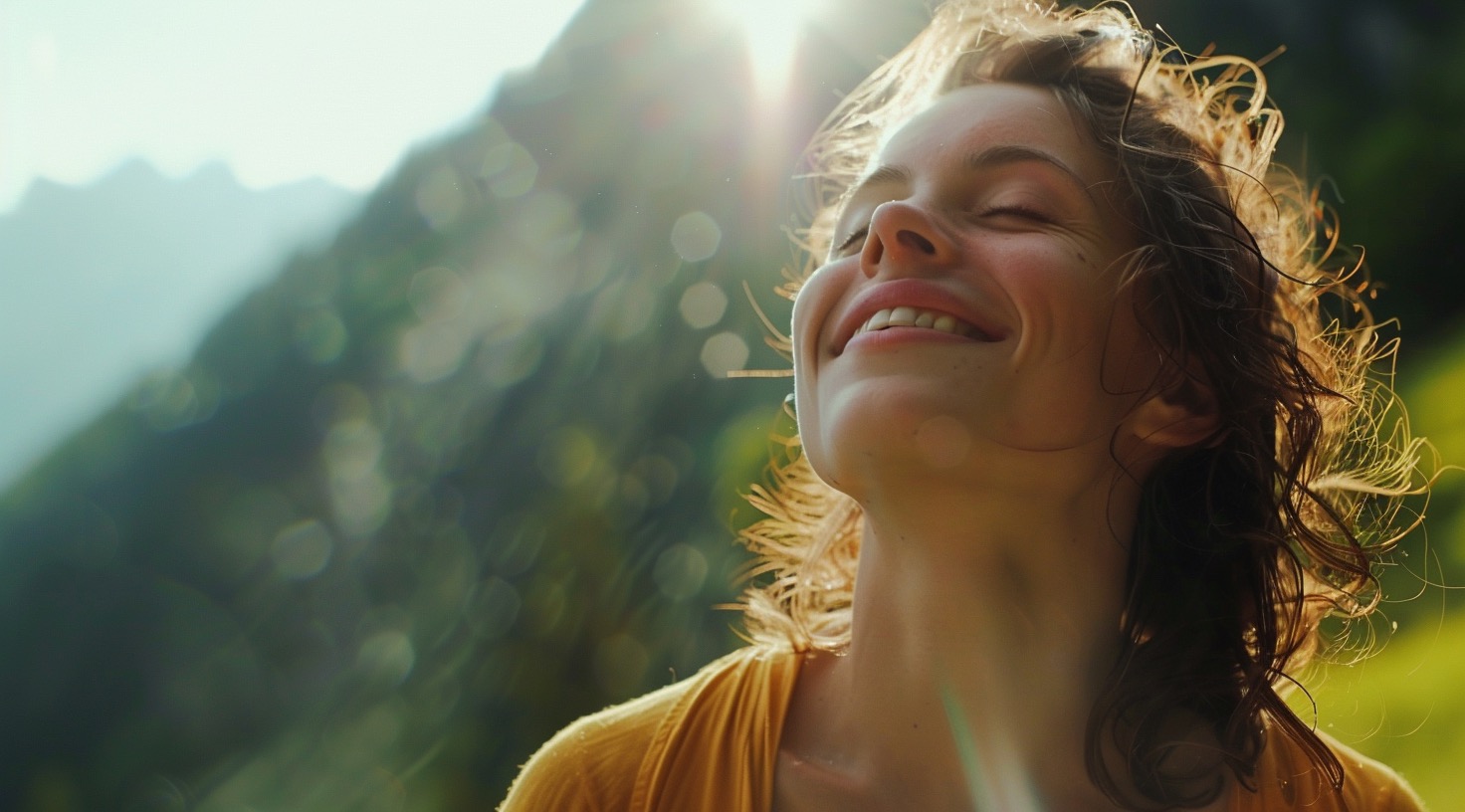
We all experience stress at some point in our lives. Whether it's about work, family or life in general, stress can take a toll on our mental and physical well-being.
But fear not, my friends!
There's a way to combat stress without having to pop pills or drown your sorrows in a tub of ice cream.
This is sport and physical activity.
When we do physical activity, e.g. When we do sports or exercise, our bodies release endorphins - those magical little chemicals that make us feel good.
Endorphins act as natural pain relievers and mood enhancers and help reduce feelings of stress and anxiety. Additionally, physical activity increases blood flow to the brain, which can improve cognitive function and concentration.
So exercise not only helps us feel happier and more relaxed, but it also increases our brain power!
Plus, regular physical activity can help regulate cortisol levels in our bodies - the hormone responsible for stress.
By keeping cortisol levels in check, we can better control our stress response and prevent it from spiraling out of control.
Which sports and activities are particularly effective for reducing stress?
Well, pretty much any form of physical activity can help relieve stress to some degree.
However, there are a few that prove to be particularly beneficial:
- Yoga: Yoga is known for its emphasis on mindfulness and relaxation. It's a fantastic way to relieve stress while improving flexibility and strength.
- Running: There's nothing better than hitting the road to clear your head and let off steam. And the runner's exhilaration is real!
- Swimming: The rhythmic motion of swimming combined with the calming feeling of being in the water can be incredibly calming and meditative.
- Tai Chi: This gentle form of martial art focuses on slow, deliberate movements that help relax and reduce tension.
While exercising or engaging in physical activity sporadically can temporarily relieve stress, it's important to exercise regularly to reap the full benefits.
Regular exercise helps strengthen resilience to stress by improving our overall health and well-being.
When you incorporate regular physical activity into your lifestyle, you not only reduce your stress levels, but you also improve your mood, increase your energy levels, and improve your sleep quality - all factors that contribute to better mental health.
So next time you feel overwhelmed by the demands of life, put on your sneakers or roll out your yoga mat.
Your body (and your mind) will thank you!
Stress release
through fitness & yoga
Feel free to come to Templeshape and try out our yoga or sports offerings at a discount!
If you feel the weight of the world on your shoulders and need a little peace in your life, then yoga could be the answer you've been looking for.
Yoga is not only a physical exercise but also a mental and spiritual one. The principles of yoga emphasize mindfulness, self-knowledge and the connection of body, mind and spirit.
By incorporating these principles into your practice, you can effectively reduce stress and anxiety in your life.
There are a variety of yoga poses and exercises that can help reduce stress and promote relaxation.
One of the most popular poses for stress relief is Child's Pose (Balasana).
This gentle stretch helps relieve tension in the back, shoulders, and neck while encouraging deep breathing and relaxation.
Another good pose for stress relief is downward dog (Adho Mukha Svanasana).
This pose stretches the entire body while calming the mind and reducing anxiety.
With every breath you can let go of your worries and find peace in the present moment.
One of the most important components of yoga for stress relief is pranayama, or breathing techniques. By focusing on your breath and practicing deep breathing exercises, you can calm your nervous system and promote relaxation.
A simple pranayama technique is abdominal breathing, where you focus on filling your stomach with each inhale and emptying it with each exhale.
This type of breathing helps activate the parasympathetic nervous system, which promotes calm and relaxation.
Another effective breathing technique for reducing stress is alternate-nostril breathing (Nadi Shodhana).
In this technique, you use your thumb and ring finger to alternately breathe through your nostrils.
By balancing airflow through each nostril, you can harmonize the left and right sides of the brain, reduce stress, and promote mental clarity.
Incorporating yoga poses and breathing techniques into your everyday life can have a big impact on your overall well-being.
Whether you're looking to unwind after a long day or find peace in the midst of chaos, yoga offers a holistic approach to reducing stress and promoting relaxation.
So roll out your mat, take a deep breath and let go of all the tension.
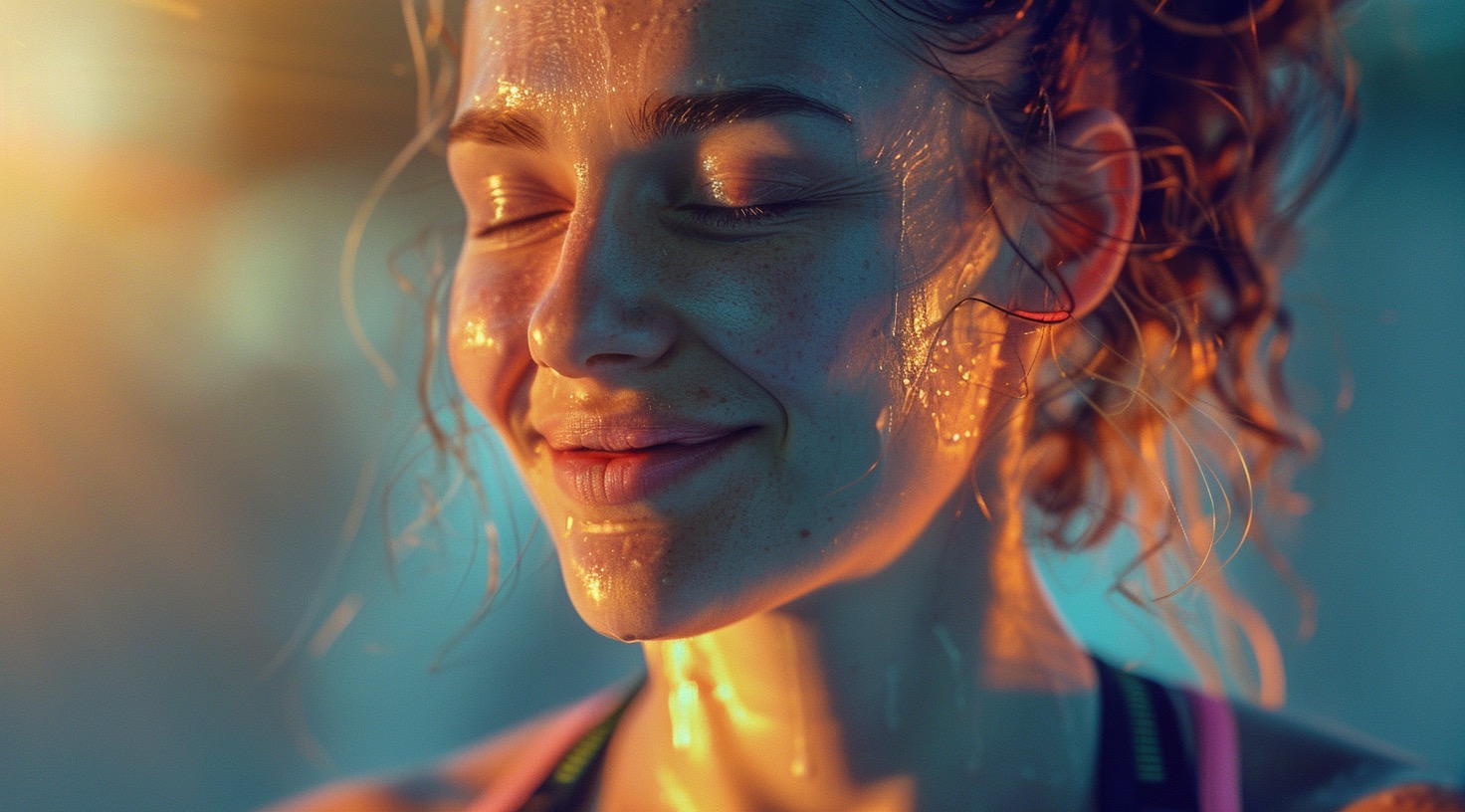
It can be overwhelming and can affect our mental and physical health if we don't deal with it properly.
That's why it's important to have a few tools in your toolbox to help you relieve stress when it creeps up.
One of the easiest and most effective ways to reduce stress is through deep breathing exercises.
When we are stressed, our breathing tends to become shallow and rapid, which can increase feelings of anxiety and tension.
Taking a few minutes to focus on your breathing and breathing slowly and deeply in through your nose and out through your mouth can help calm your nervous system and bring you back to a relaxed state.
Another quick exercise to relieve stress is progressive muscle relaxation.
Every muscle group in your body is tensed and relaxed again, from your toes to your head.
This technique can help you become more aware of the tension in your body and release it, making you feel more relaxed and comfortable.
In addition to progressive muscle relaxation, there are many other relaxation techniques that can help reduce stress.
Yoga, meditation, visualization, and guided imagery are great tools for calming the mind and body.
These exercises can help you be more present in the moment, reduce negative thought patterns, and develop a sense of peace and calm.
An overarching concept that connects many stress reduction exercises is mindfulness.
You often train these in Pilates.
Mindfulness is the practice of being fully present in the moment without judgment.
By focusing on the here and now, you can let go of worries about the past or future that may be contributing to your stress levels.
Mindfulness can be practiced through formal meditation sessions or informal practices during the day, such as mindful eating or walking.
By incorporating mindfulness into your daily routine, you can learn to better deal with stress when it occurs and develop a sense of inner calm that lasts long after the stressful situation is over.
Overall, finding ways to reduce stress in your everyday life is important for your mental and physical well-being.
By incorporating quick stress relief exercises, progressive muscle relaxation techniques, and the concept of mindfulness into your daily routine, you can better manage stress and live a more balanced and peaceful life.
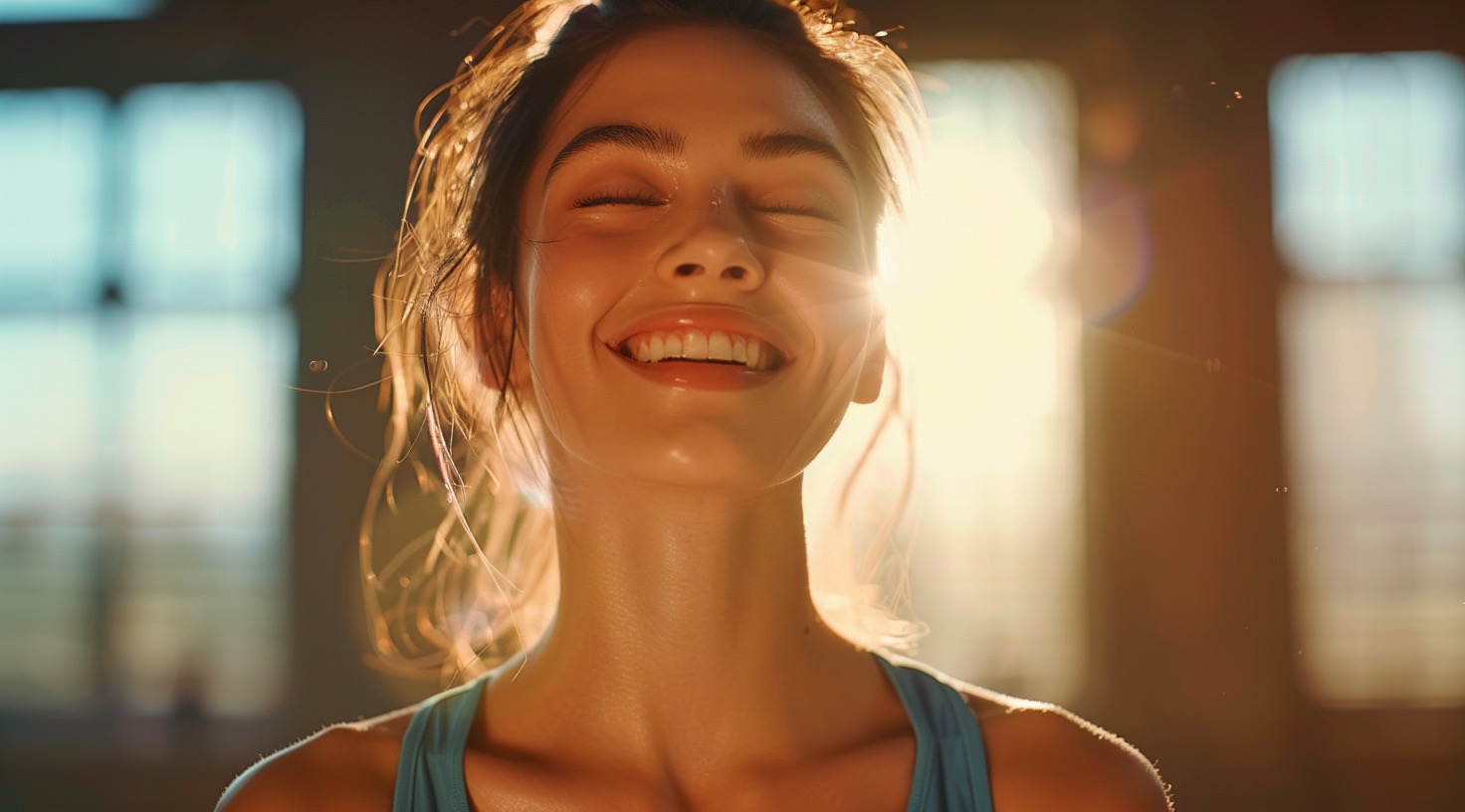
If you're feeling overwhelmed by stress and looking for ways to relax, meditation might be right for you.
Not only can it help calm your mind and body, but it can also improve your emotional health in the long run.
So let's delve into the world of meditation for stress reduction and find out how you can make it a part of your daily routine.
Meditation has been practiced for centuries to relax the body and mind, and its benefits for stress relief are well documented.
When you meditate, you focus on the present moment and leave worries about the past or future behind you. This can help reduce feelings of anxiety and overwhelm, and leave you feeling grounded and centered.
Not only does meditation reduce stress, but it has also been proven to improve emotional health.
Practicing mindfulness and self-awareness during meditation will help you become more attuned to your thoughts and feelings.
This can help you better understand and manage your feelings, leading to a greater sense of peace and well-being.
There are many different types of meditation practices that can be useful for stress relief.
A popular technique is mindfulness meditation, in which you focus on your breath or a specific object and observe your thoughts without judgment.
This practice can help increase self-awareness and reduce feelings of anxiety.
Another effective method is loving-kindness meditation, where you cultivate feelings of compassion and kindness toward yourself and others.
This practice can promote feelings of connection and empathy, which can be especially helpful when dealing with stressful situations.
Body scan meditation is another great way to reduce stress because it involves focusing on each part of your body and releasing the tension that exists in those areas.
This exercise can help relax and reduce physical symptoms of stress such as muscle tension or headaches.
To reap the full benefits of meditation for stress relief, it's important that you regularly incorporate it into your daily routine.
Set aside a specific time each day to meditate, whether in the morning or before bed.
Start with a few minutes and gradually increase the duration as you become more comfortable with the practice.
You can also experiment with different types of meditation to find which works best for you.
Adding variety to your practice will keep it interesting and prevent boredom or burnout.
Remember that consistency is key when it comes to managing stress with meditation.
Like any other skill, it takes time and practice to see results.
So be patient with yourself as you discover this powerful tool for relaxation and emotional well-being.
In summary, incorporating meditation into your daily lifestyle can be an effective way to reduce stress and improve your emotional health.
Whether you prefer mindfulness meditation, loving-kindness meditation, or body scan meditation, there are a variety of options to suit your needs.
So why don't you try it today?
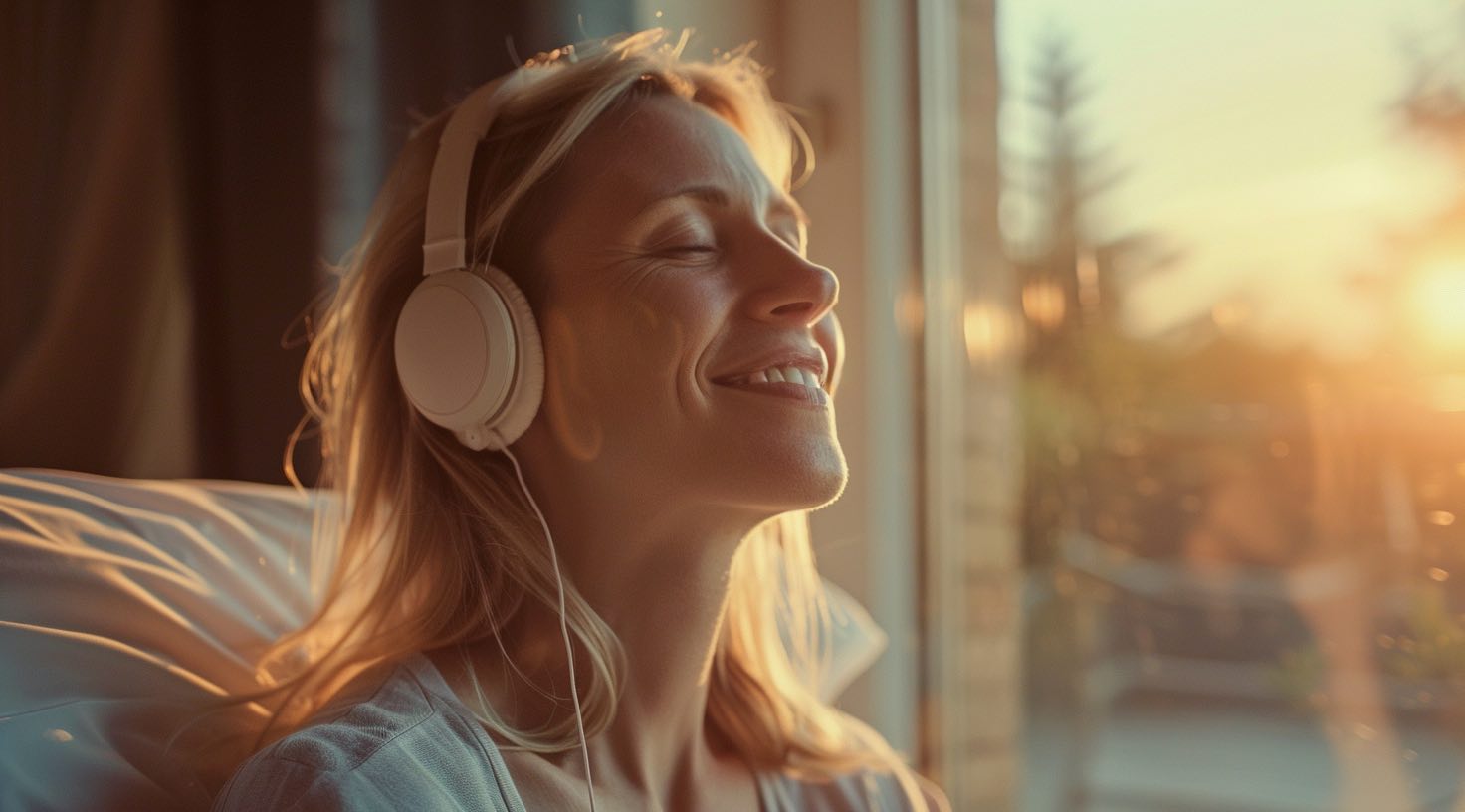
Music has a strong influence on our emotions and can significantly affect our mood and stress levels.
Listening to calming and calming music has been proven to reduce levels of cortisol, the stress hormone, in the body.
It can also help reduce blood pressure, heart rate and muscle tension and promote a state of relaxation and calm.
Different types of music can evoke different emotional responses, so it's important to choose the right music for relaxation.
Slow, melodic music with gentle rhythms is usually most effective for reducing stress and promoting relaxation.
Music with natural sounds such as birdsong or the sound of waves can also have an incredibly calming effect.
When choosing relaxing music to relieve stress, there are a few important criteria to consider.
First and foremost, you should choose music that you personally find relaxing and pleasant.
Everyone has different tastes in music, so it's important that you choose music that speaks to you personally.
Also, choose music that has a slow tempo and gentle melodies.
Avoid songs with loud or shrill sounds, as these can have the opposite effect and increase feelings of stress and anxiety.
Look for music that includes nature sounds or white noise if that helps you relax.
Relaxation music can be a valuable tool in various contexts such as sports, yoga and meditation.
When playing sports, listening to calming music before a competition or practice can help athletes concentrate and reduce pre-game jitters.
In yoga practice, calming music can enhance the meditative experience and promote mindfulness.
Many yoga studios play soft background music during class to create a calm atmosphere that promotes relaxation and inner peace.
During meditation sessions, relaxing music can help you achieve a deeper state of calm and focus.
The gentle melodies guide the mind to move away from distractions and enter a state of deep relaxation.
Incorporating relaxing music into your daily routine can have a profound impact on your mood and stress levels.
Whether you're looking to relax after a long day at work or improve your mindfulness practice, calming music can be a powerful ally to promote your mental well-being.
So go ahead, put on some calming tunes and let the stress melt away!
We all know that exercise is good for us, but did you know that it can also be an effective way to manage stress?
That's right, exercise can help you reduce stress and improve your overall mental health.
Many people even find that exercise or other physical activity is a good way to relieve stress and improve their mood.
When we exercise, our body releases endorphins, which act as natural painkillers and mood enhancers.
This endorphin release can help reduce feelings of stress and anxiety, making you feel more relaxed and at ease.
Plus, physical activity can help distract you from what's stressing you out and give you a much-needed mental break.
There are many different ways to incorporate exercise into your stress management routine.
Whether you prefer individual activities like running or yoga or team sports like basketball or soccer, there's a sport for everyone.
What's important is that you find an activity that you enjoy and that fits into your schedule so that you can stick to it.
If you're looking for specific examples of exercise programs and therapies that can help reduce stress symptoms, consider Tai Chi, Pilates, Bootcamp or try hiking.
These activities not only provide physical benefits, but also promote mindfulness and relaxation.
Tai Chi, for example, combines gentle movements with deep breathing exercises to calm the mind and body.
Pilates focuses on core strength and flexibility while training proper breathing.
Hiking is another great way to reduce stress through physical activity.
In the boot camp you are told what to do for 60 minutes and you also reduce stress by switching off.
Spending time outside in nature has been proven to have numerous positive mental health effects, such as: B. reducing feelings of anxiety and depression.
Plus, the physical exertion of hiking can help release pent-up energy and tension, leaving you feeling more relaxed and rejuvenated.
Not only is exercise a great way to manage stress, but it can also play an important role in the holistic treatment of mental illness.
Many therapists recommend incorporating physical activity into a comprehensive treatment plan for conditions such as depression or anxiety.
Some studies have even shown that regular exercise can be as effective as medication in treating mild to moderate depression.
Incorporating exercise into your stress management plan can not only improve your physical health, but also increase your mental well-being.
So why not lace up your sneakers or pick up a racket and get started?
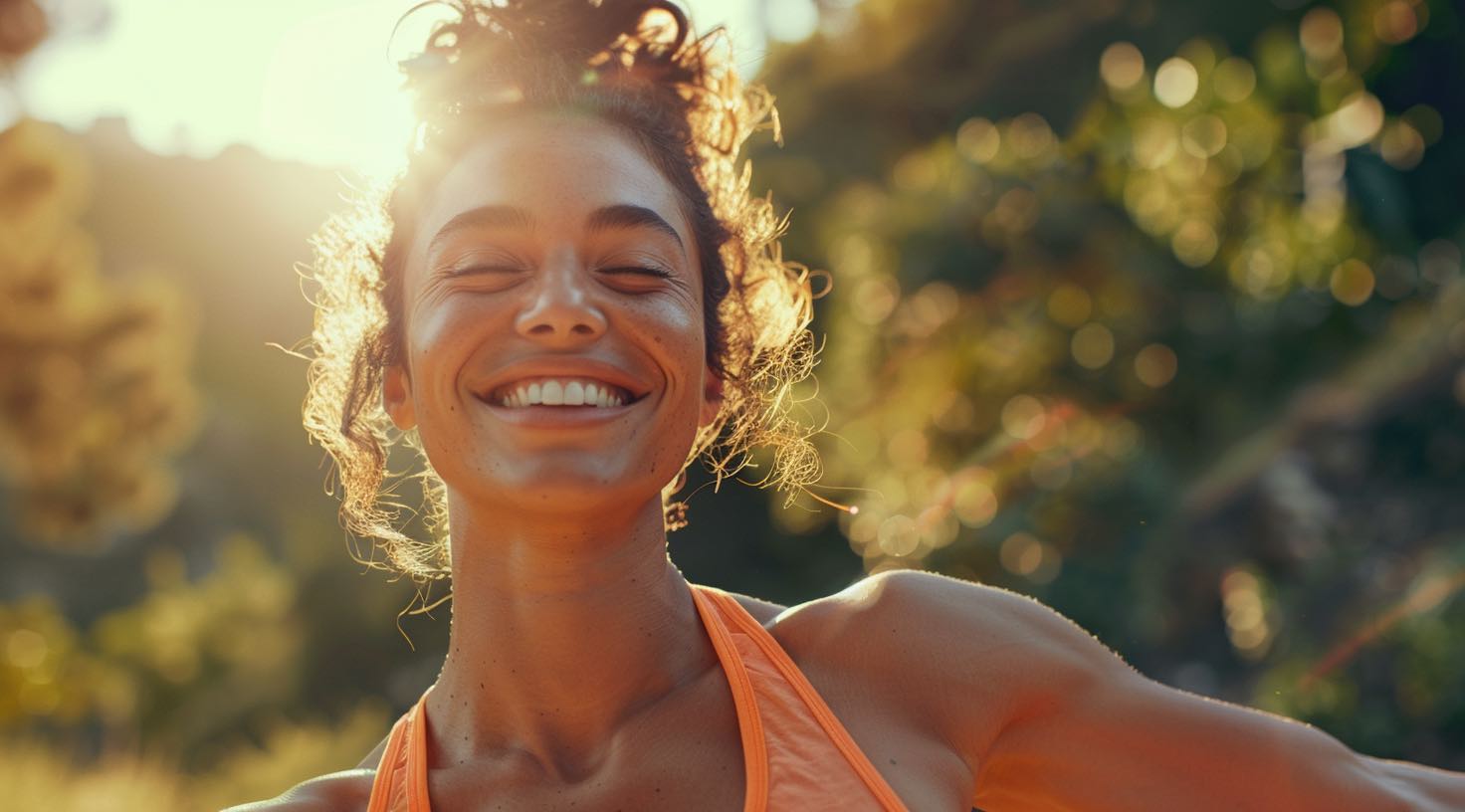
We all know how important it is to sleep well. It sets the tone for the entire day and can influence our mood, energy levels and overall well-being.
An important part of a restful night is a relaxed one routine before going to bed.
This routine can signal your body that it's time to wind down and prepare for sleep.
Yoga is an excellent way to relieve stress and promote relaxation before bed. By incorporating certain yoga poses and techniques into your evening routine, you can calm your mind, relieve tension in your body, and prepare for a peaceful night's sleep.
There are some specific yoga practices and techniques that are particularly effective for reducing stress and improving sleep.
One of the most popular practices is deep breathing exercises such as diaphragmatic breathing or alternate nostril breathing.
These techniques help calm the nervous system and calm the mind, making it easier to drift off to sleep.
Another effective exercise is gentle stretching or restorative yoga poses.
These poses help relieve muscle tension, promote relaxation and increase flexibility. Some useful poses to incorporate into your bedtime routine include Child's Pose, Legs on the Wall Pose, and Corpse Pose.
Meditation is also an effective way to reduce stress and promote relaxation before bed.
Taking just a few minutes to sit quietly and focus on your breathing or repeat a calming mantra can calm your mind and create a sense of inner calm that will help you drift into a restful sleep.
In addition to incorporating yoga poses into your bedtime routine, it's important to create a relaxing sleep environment that promotes restful sleep. Some tips for creating a calming atmosphere include:
- Keep your bedroom cool, dark and quiet
- Invest in comfortable bedding and pillows
- Use calming essential oils or candles
- Limit screen time before bed
- Establish a regular bedtime routine
By incorporating these tips into your evening routine and making yoga a part of your bedtime ritual, you can reduce stress, improve sleep quality, and wake up feeling refreshed and rejuvenated every morning.
So why don't you try it out tonight?

If you're feeling overwhelmed and need a break from the chaos of everyday life, consider booking a retreat to unwind and relax. Our retreats offer the perfect opportunity to escape the hectic pace of everyday life and focus on self-care and relaxation.
Imagine waking up every morning to the sound of the gentle waves and enjoying the breathtaking views of the Mediterranean. Our Greece retreat offers exactly that - a peaceful and tranquil environment to help you relax and rejuvenate.
During your stay, you'll have the opportunity to practice mindfulness and meditation, participate in calming yoga sessions, and enjoy delicious and healthy meals made with fresh, local ingredients. You'll also have plenty of free time to explore the beautiful surroundings, be it a leisurely walk on the beach or visiting nearby historical sites.
If you are looking for an exotic experience, ours is Morocco retreat exactly the right thing for you. Located right in the heart of the small fishing village of Imsouane, this retreat offers a unique mix of culture and relaxation.
You'll have the opportunity to explore the souks, sample traditional Moroccan cuisine, and even try your hand at local dishes in a cooking class.
In between excursions, you can relax with daily yoga sessions and boot camp fitness sessions.
At both our Greece and Morocco retreats, our goal is to give you the tools and techniques to effectively manage stress so you can return home feeling refreshed and rejuvenated.
So go ahead, treat yourself to some much-needed self-care - you deserve it!
tags