No products in the cart.
March 17
Swollen Legs After Sports? Causes & 5 Quick Tips
0 comments

Regular exercise supports a healthy lifestyle, but unexpected issues like swollen legs can occur.
If your legs are swollen after training, you are not alone, and there are solutions.
We will examine the causes of this common problem and provide tips on how to relieve your discomfort and enjoy your workout.
After the sport, having swollen legs can be concerning. These swellings, also called edema, are often due to temporary water retention. Intense training causes micro-damage to the muscles. In response, the body sends blood and fluids to heal the area. This flow can temporarily enlarge the legs or feet. Factors like heat, standing for long periods, or intense training sessions can disrupt fluid balance and cause swelling.
Swelling related to training is generally harmless, especially if you are new or have just started training intensely. Hormonal changes, high sodium intake, or lack of hydration can exacerbate swollen legs after training. Intense training triggers the release of cortisol, which leads to water retention. The body's inflammatory response to a micro-tear in the muscles can also lead to temporary swelling.

Understanding why legs swell after exercise helps with prevention and management. The common causes are:
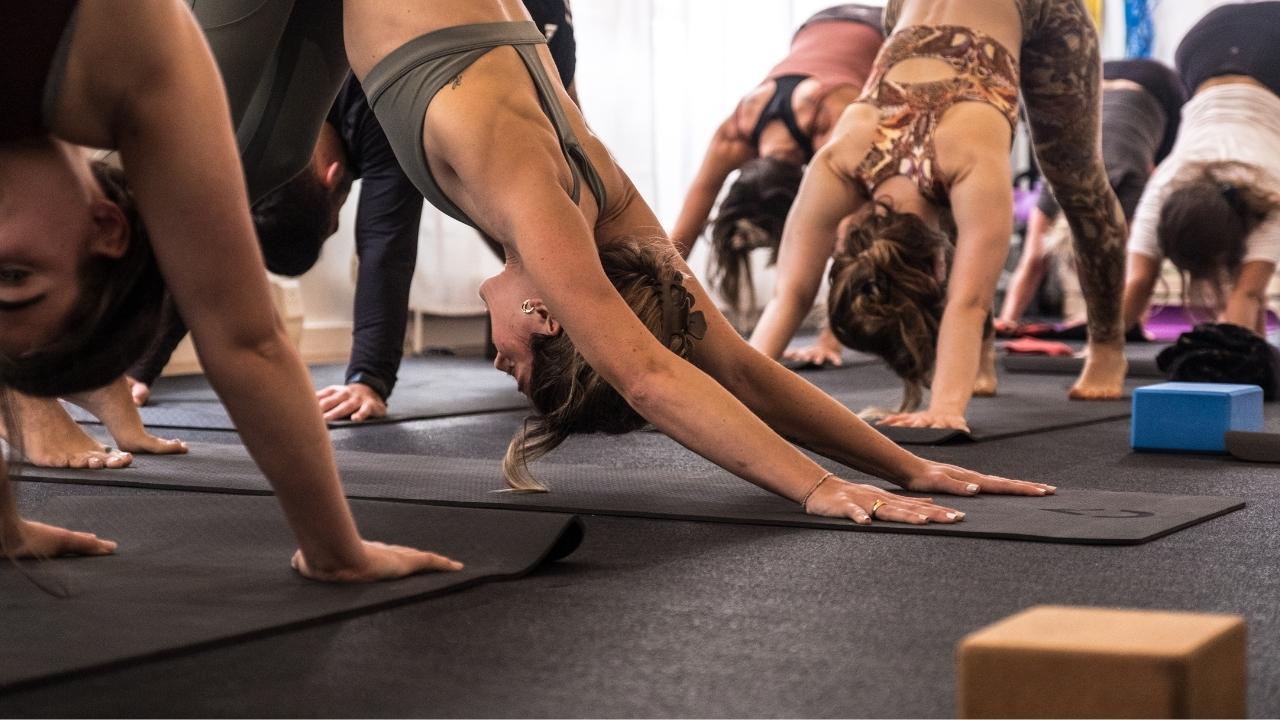
Reserve now Fitness classes in Wiedikon & at the airport!
Swollen legs can be uncomfortable. Quick relief methods include:
Better to prevent than to cure. With these strategies, you can reduce swelling after exercise:
Minimize processed foods high in sodium and refined sugar. A diet rich in vegetables, whole grains, and lean proteins helps avoid bloating.

Persistent or concerning swelling is often harmless, but requires medical consultation. Seek help if:
Swollen legs after exercise can be frustrating, but by understanding them and taking steps to remedy them, you can enhance comfort and enjoyment of training. Listen to your body's signals and remember to consult a professional if necessary. Training involves not only physical goals but also achieving well-being. By managing symptoms after training, you can ensure a fulfilling and joyful routine.
Tags