Es befinden sich keine Produkte im Warenkorb.
März 17
Water retention after sports and training
0 comments

Water retention is very common among athletes and fitness enthusiasts.
They affect the appearance and function of muscles. Knowing the causes and solutions is important for physical performance and appearance. This guide addresses the science of water retention, its link to training, and muscle health.
We will also give you tips on how to manage and prevent water retention, tailored to different fitness routines and health needs.
Water retention in muscles is caused by several factors:
1. Inflammation due to micro-tears: Sports, especially weightlifting, cause tiny muscle tears. These tears trigger inflammation that leads the body to send extra fluid to heal the muscles. This swelling is a natural part of recovery.
2. Hormonal fluctuations: Hormones like cortisol, released during stress or exercise, influence fluid balance. High cortisol levels lead to increased sodium and water retention in the kidneys, intensifying fluid retention. Mental stress and intense training can raise cortisol levels, which can lead to water retention.
3. Nutritional factors: A high-sodium diet leads to water retention by increasing blood volume and blood pressure. A low protein intake can also disrupt fluid balance and worsen water retention. A high-protein diet proteins can help prevent water retention.
4. Genetic and health conditions: Some people may naturally retain more water. Conditions such as heart or kidney diseases can impair fluid regulation and worsen retention. In these cases, medical consultation is necessary. Chronic stress can lead to water retention and thus cause edema.

To manage water retention, you need to adjust your lifestyle, diet, and exercise:
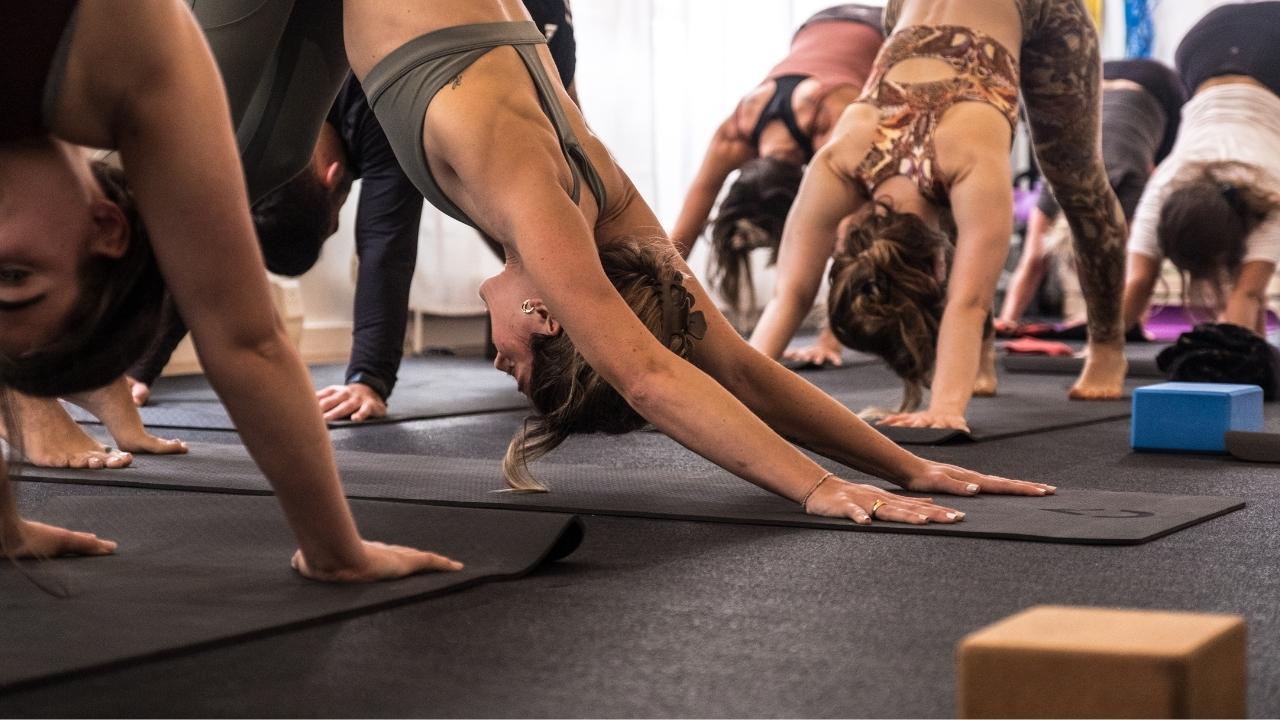
Now Book your group fitness sessions at Wiedikon & at the airport!
Water retention after strength training is normal. It is a sign of healing and adaptation of the body. Muscles store more glycogen after training, which binds water and leads to an increase in fluid in the muscles. This temporary change affects weight and measurements, as it is water and not fat. Muscle tissue is denser than fat, which can lead to a higher overall weight.
The hormones regulate the retention of fluids. The stress and sport increase the level of cortisol, which leads to the retention of water. Chez les femmes, des rétentions d'eau peuvent également survenir en raison de changes hormonaux pendant la menstruation.
Pour maîtriser les rétentions d'eau hormonales, you devriez essayer des activités de réduction du stress comme le yoga, la meditation et des exercises de respiration. A sommeil suffisant and an entraînement équilibré aident à contrôler les cortisol levels. The training in force improves the quality of the night and the posture of the body.
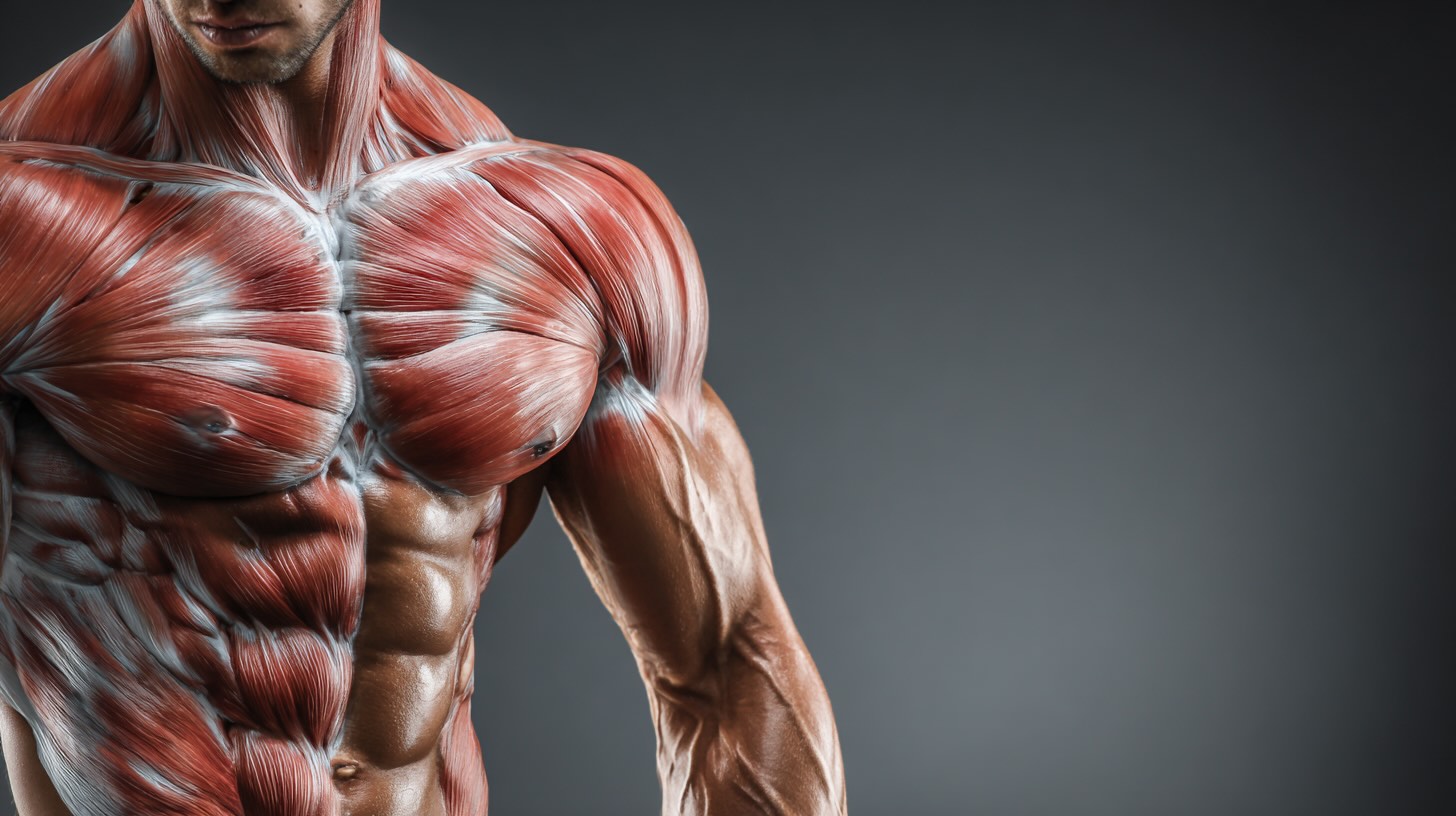
The exercise aide à maintenir l'équilibre des fluides. The improved circulation is sanguine and the lymphatic flux, preventing the accumulation of liquid. The exercise aids the corps à réguler son équilibre hydrique and à soutenir the flux lymphatic.
Les exercices aérobiques comme marcher et rodent favorisent la santé cardiaque et le movement des fluides. En musculation, of great shape and quality, prevents excessive inflammation and accumulation of fluids.
L'entraînement en forceaugmente d'abord les rétentions d'eau, car les muscles s'adaptent. Plus the glycogen is stock, which creates a water retention and increases the muscular volume. This temporary change is a sign of progress.
At the same time, the body adapts, which leads to a stable level of glycogen and a best definition of muscles. The persévérance is the clé, car les balloonnements initiates not que temporaires.

The measures proactively can reduce the retention of water indésirables:
By understanding water retention in muscles, you can approach your fitness condition intelligently. By mastering these factors, athletes and sportspeople can achieve their goals and maintain their well-being.
Tags