No products in the cart.
July 21st

Pumpkin is an autumnal treasure that fills kitchens with its warmth and color.
As pumpkins become more popular in the fall, the question arises about their effect on weight.
Does eating pumpkin cause weight gain?
Is it unhealthy or a weight-friendly superfood?
This article dispels the myths about pumpkin, highlights its nutritional value and provides tips for healthy consumption.
Pumpkins are often misunderstood when it comes to calories. Despite its rich taste, pumpkin has few calories.
A 100-gram serving typically contains 19 to 45 calories, similar to zucchini and cucumbers.
A more specific statement shows that 100 grams of pumpkin on average 26 kcal contain.
Pumpkin is almost 90% water, which keeps calories low and promotes satiety. This can help reduce overall food intake and support guilt-free weight management.
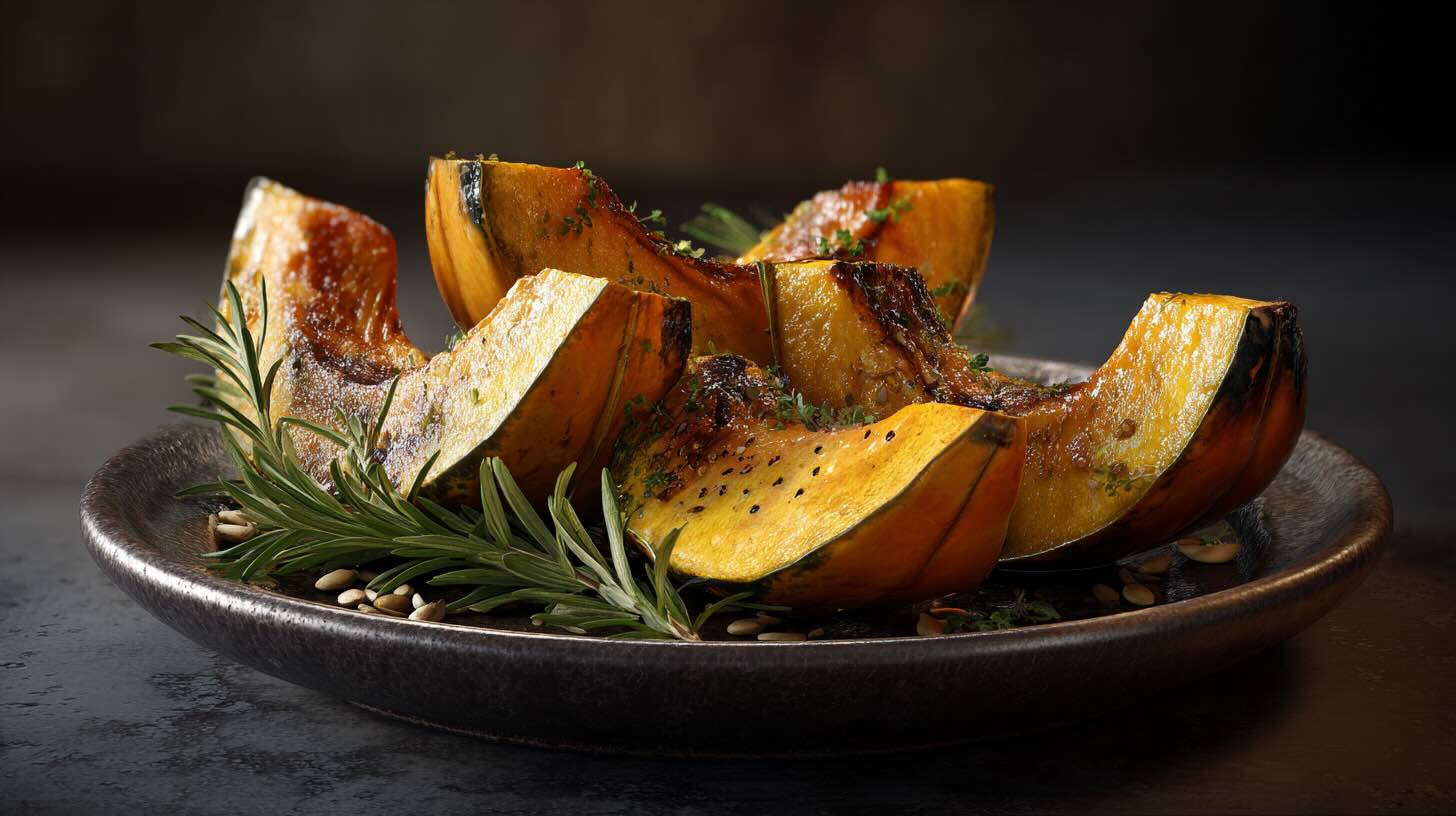
With low carbohydrates Diets There are concerns about the carbohydrates in pumpkin. But pumpkins have moderate carbohydrates, about 5 grams per 100 grams. These are complex carbohydrates that provide energy and keep you fuller for longer.
Pumpkin is ideal for a balanced diet Nutrition. Its fiber promotes digestion and regulates blood sugar, making it valuable for controlling blood sugar levels. Compared to starchy vegetables, pumpkin's glycemic profile supports weight management.

Now Fitness group lessons Book in Wiedikon & at the airport!
The preparation of pumpkin influences its health effects. Plain pumpkin is low in calories, but adding sugar, cream or butter increases the calorie content. For example, the popular one has Pumpkin Spice Latte 380 calories per serving. Simple preparation methods such as frying or steaming have their advantages.
Desserts like pumpkin pie often have extra calories. Use low-fat milk or yogurt instead of cream. Natural spices like cinnamon and nutmeg add flavor without the calories.
The nutrients are retained when grilling or baking. Combine pumpkin with protein and whole grains for filling meals.
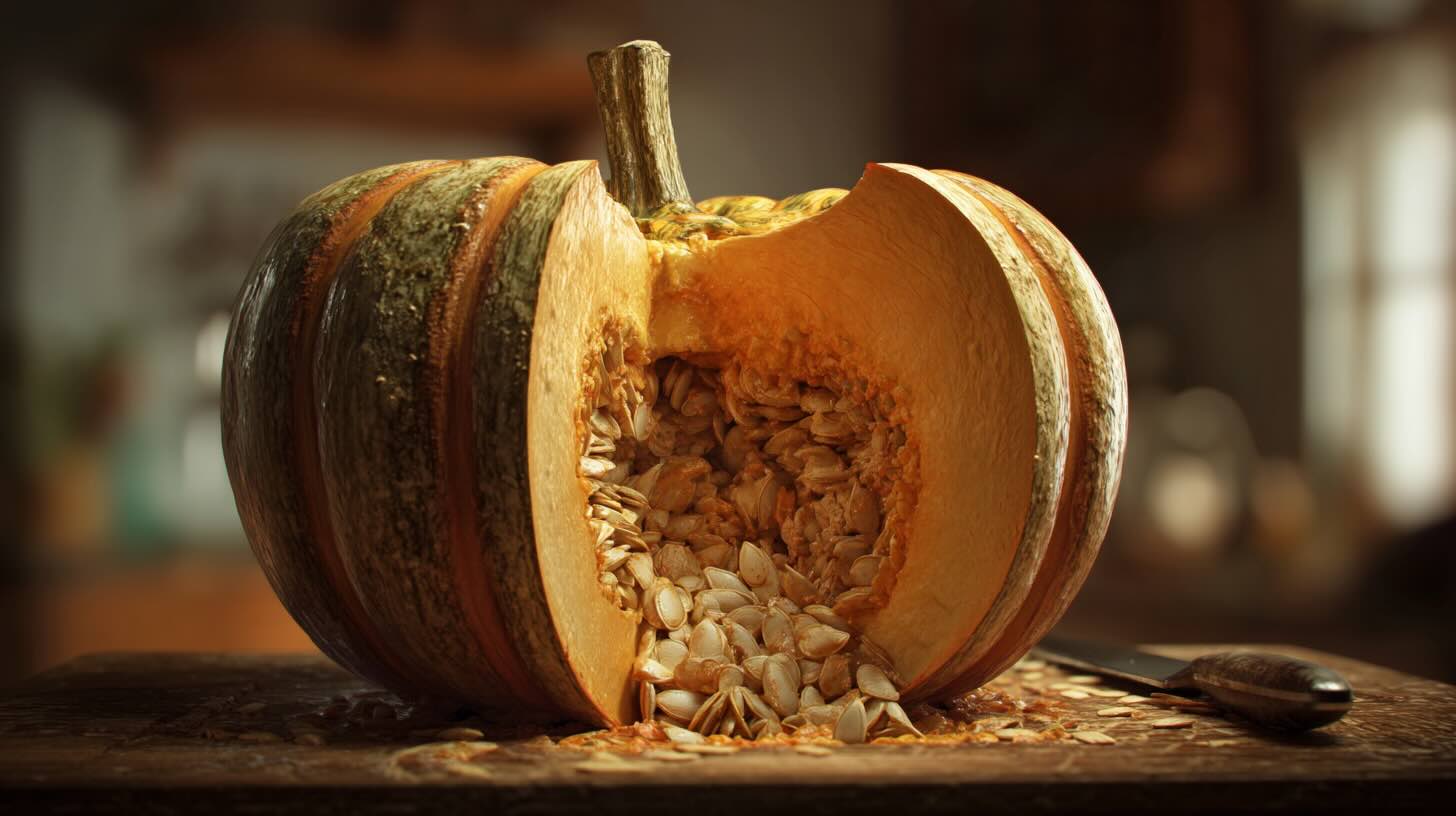
Pumpkin varieties differ in their nutritional value. Hokkaido pumpkin has more calories and beta carotene. Butternut squash is creamy and rich in vitamins A and C. Spaghetti squash is low in calories and a low-carb pasta alternative.
Each variety offers unique flavors and nutrients. Most are excellent sources of vitamins and minerals such as vitamin A, potassium and magnesium. It is noteworthy that there are a large number of pumpkins Contain beta-carotene, which is important for vision is.
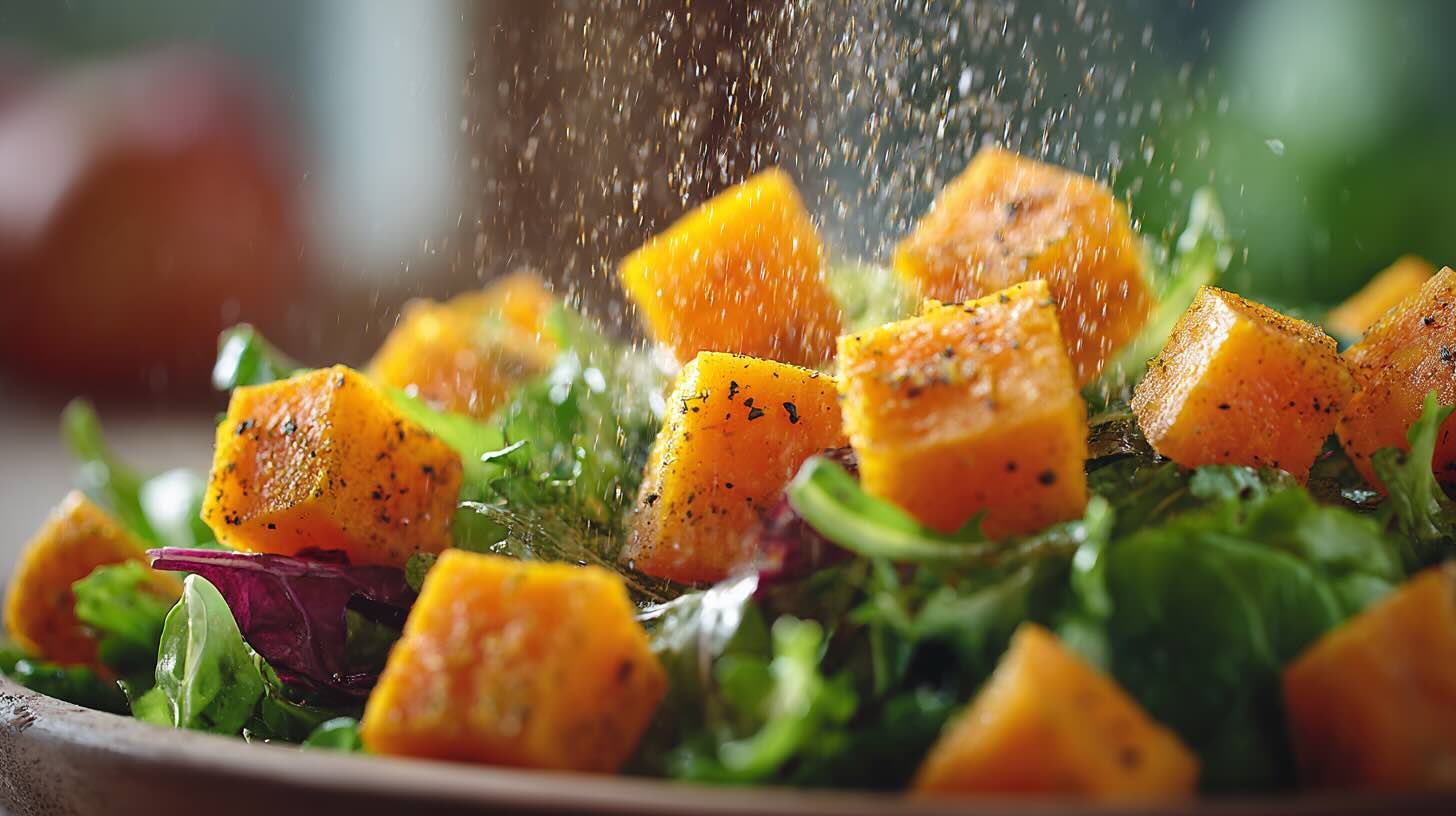
Pumpkin seeds are nutritious, but have a lot of calories - about 500 per 100 grams. They contain healthy fats, protein, fiber and nutrients such as magnesium and zinc.
Eat the seeds in moderation - in salads, pestos or soups. They are a great source of plant-based protein. Pumpkin seed oil adds flavor and nutrients with vitamin E and has anti-inflammatory properties that can prevent cardiovascular disease. Use it in dressings or drizzle it over dishes.
Process pumpkin wisely as it has many benefits without having to worry about your weight. It is rich in antioxidants such as beta-carotene, which supports health and fights oxidative stress.
The fiber in pumpkin supports digestion and weight management by promoting satiety. Micronutrients such as magnesium, potassium and vitamins C and E support health functions.
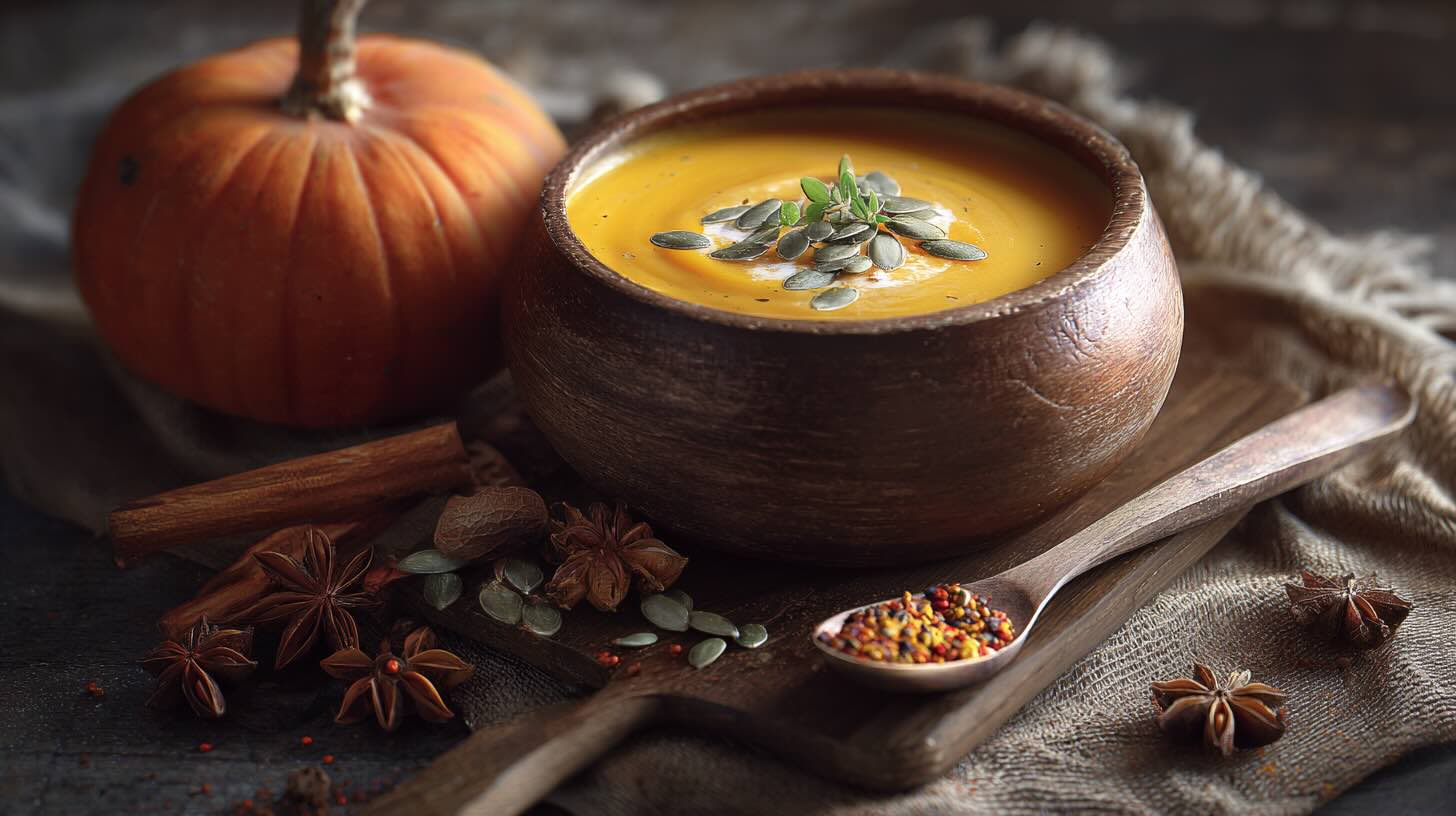
If you follow these tips, pumpkin can be a tasty and healthy choice year-round. Its versatility makes it a staple for a balanced lifestyle.
In summary, pumpkins promote health without increasing weight. The fear that it's 'fattening' depends more on the preparation than the vegetable itself. Enjoy bright, flavorful pumpkin this fall and know it's good for your taste buds and your health.
tags