No products in the cart.
March 25
Lose weight before the wedding: 100% fit in 1 – 3 months
0 comments

The creed for losing weight before the wedding: Preparing for your wedding is not just about looking good in your dress or tuxedo.
It's about feeling as comfortable as possible on one of the most important days of your life.
When you are fit and healthy, you have more energy, confidence, and generally feel better.
And if you start a fitness program before the wedding, you can develop healthy habits that will last after the big day.
Where to start?
The first step is to set realistic goals.
Whether it's to lose weight, tone your body, or simply improve your fitness level, it's important to have a clear idea of what you want to achieve.
Once you have your goals in mind, it's time to create a plan to achieve them.
When it comes to creating a workout plan, it's about finding something that works for you and fits into your schedule.
Whether you prefer going to the gym, taking a Personal trainer, working out at home or attending group classes like yoga or HIIT bootcamps, there are plenty of options to choose from.
The important thing is to find something you enjoy and can stick with.
A well-rounded workout program should include both cardiovascular and strength training to help you achieve your fitness goals.
Cardiovascular training like running, cycling, or swimming helps burn calories and improve endurance, while strength training is important for building muscle mass and boosting metabolism.
In addition to exercise, a balanced diet is crucial to getting in shape before your wedding day.
Make sure to include plenty of fruits and vegetables, lean protein, whole grains, and healthy fats in your meals.
Avoid processed foods, sugary drinks, and excessive amounts of alcohol.
To make it easier to eat healthily, prepare your meals in advance.
Spending a few hours on Sunday preparing meals and snacks for the week can save you time and ensure you have nutritious options on hand when hunger strikes.
Getting fit before your wedding is not just about your appearance, but also about feeling confident, strong, and healthy as you walk down the aisle.
By setting goals, creating a workout plan, and eating right, you can ensure that you look and feel your best on one of the most important days of your life.
Personal training for bridal couples:
We have already got countless bridal couples fit. Just contact us!
You have a wedding ahead of you and want to look good and feel comfortable on the big day.
This is where the wedding diet comes into play.
The wedding diet is essentially a nutritional plan designed to help you shed a few extra pounds and get in shape before your wedding day.
It's not about crash dieting or skipping meals, but about making healthier choices and being mindful of what you eat.
We always strongly recommend getting a trained nutritionist to help you.
A wedding diet is about focusing on nutritious, whole foods and cutting out processed junk.
It's about providing your body with the right nutrients to give you energy and make you feel good.
That means lots of fruits and vegetables, lean protein, whole grains, and healthy fats.
It also means reducing sugar, refined carbohydrates, and unhealthy fats.
There are a few basic principles to consider in the wedding diet.
First of all, you should make sure to drink plenty of water throughout the day.
Water helps flush out toxins, keeps your skin looking fresh, and can even help with weight loss.
Another important principle of the wedding diet is portion control.
Pay attention to how much you eat and try to avoid overeating.
If you eat smaller meals more frequently throughout the day, you keep your metabolism going and prevent cravings.
Finally, you should try to incorporate regular exercise into your daily routine.
Whether you go to the gym, go for a jog, or attend a Pilates class visit:
If you stay active, you can not only lose weight but also improve your mood and reduce stress.
There are countless wedding diet plans, so it's important to find the one that works best for you.
A popular option is the Mediterranean diet, where you should eat plenty of fruits, vegetables, whole grains, and lean proteins like fish and chicken.
Another possibility is the Paleolithic diet, which involves avoiding processed foods and eating like our ancestors - that is, with lots of meat, nuts, seeds, fruits, and vegetables.
Ultimately, the key to success for any wedding diet is to find a plan that fits your lifestyle and preferences.
Remember, it's not about perfection but progress - if you make small changes over time, it will have a big impact on how you feel and, most importantly, how you look on your wedding day.
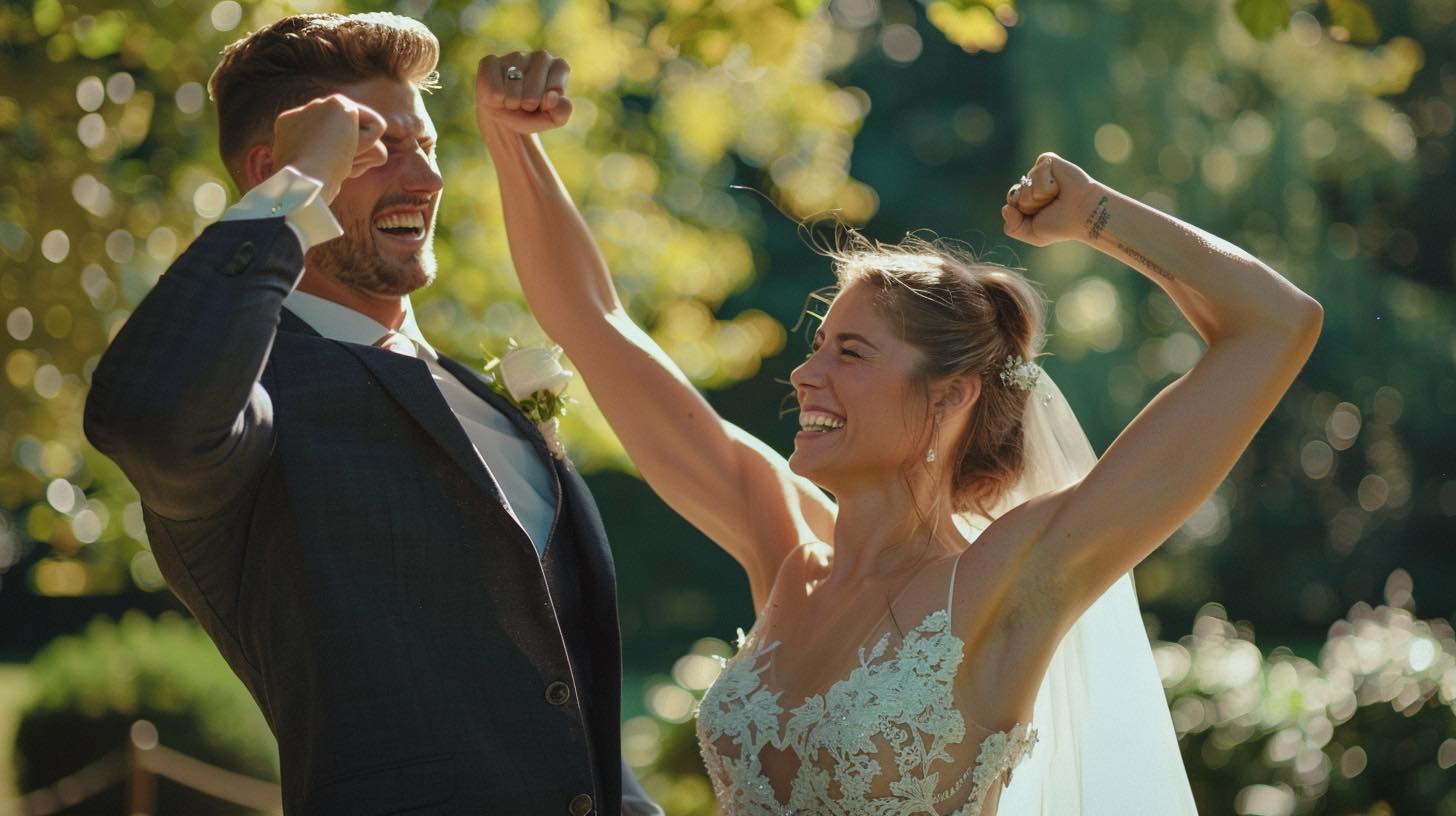
Your wedding is approaching and you want to be absolutely perfect on the big day.
Losing weight 1 to 3 months before the wedding is a common goal for many brides and grooms, but it's important to achieve it in a healthy and sustainable way.
In this article, we give you some tips and tricks on how to set realistic weight loss goals, which methods are most appropriate to shed excess pounds, and which mistakes you should avoid along the way.
When it comes to losing weight before your wedding, it's important to set realistic goals.
While it may be tempting to seek dramatic change in a short time, drastic diets and extreme exercise programs are not sustainable long-term.
Instead, set achievable goals to feel good and look good on your wedding day.
One approach is to set a target weight that is reasonable to achieve in a suitable timeframe, such as losing 1 kilogram per week.
This gradual approach allows your body to adapt to changes and prevents the dreaded weight gain that often accompanies crash diets.
Additionally, you should set goals unrelated to the scale, such as reaching a certain clothing size or feeling better in your own skin.
There are countless methods to lose weight before your wedding, but some are more effective than others.
One of the most proven methods is to follow a healthy and balanced diet.
Make sure to eat plenty of fruits, vegetables, lean proteins, and whole grains while limiting processed foods, sugary drinks, and excessive alcohol consumption.
In addition to diet, exercising regularly is also important for weight loss.
The goal is to exercise moderately for at least 150 minutes per week, such as brisk walking, cycling, or swimming.
Strength training can also help increase muscle mass and boost metabolism.
If you want to start losing weight before the wedding, consider working with a nutritionist or personal trainer who can accompany and support you on your journey.
They can help you develop a personal plan tailored to your specific goals and lifestyle.
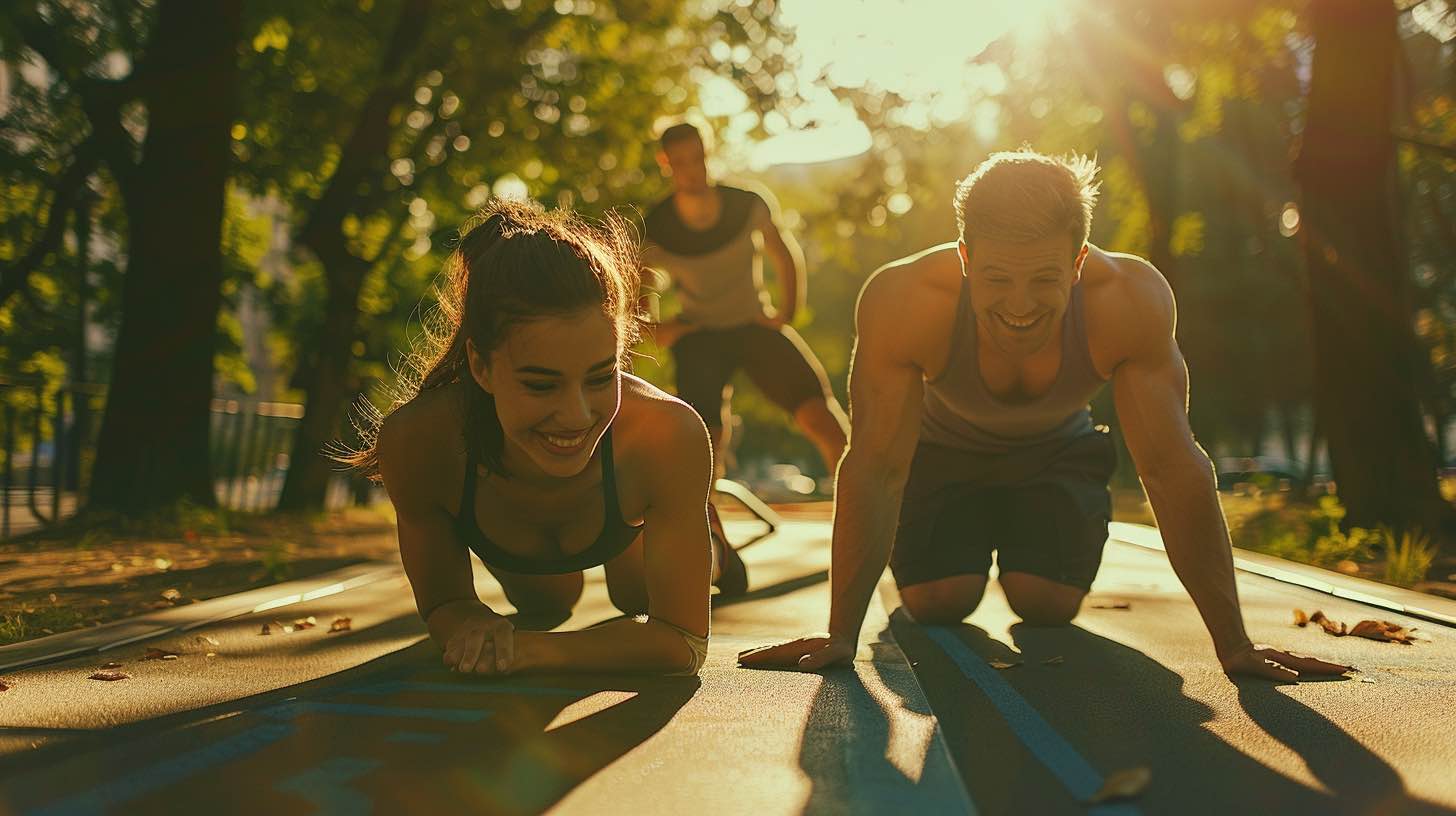
So you've said 'yes' to the dress (or suit) and now it's time to get in shape for your big day!
A personalized fitness program is a great way to ensure you look good and feel comfortable on your wedding day.
Developing a personalized fitness program can seem daunting, but it doesn't have to be complicated.
Start by setting realistic goals - whether you want to lose a few pounds, tone your body, or simply improve your overall fitness level.
Once you have a clear goal in mind, you can start developing a program that works best for you.
When it comes to wedding fitness, it's important to find a balance between strength training and endurance training.
Strength training helps you build and define your muscles, while endurance training improves your cardiovascular health and stamina.
By incorporating both types of training into your program, you can achieve a balanced fitness level that will make you feel strong and confident on your wedding day.
To give you an idea of what an 8-week wedding fitness program might look like, here's an example:
Weeks 1-4:
- Monday/Wednesday/Friday: Strength training (with a focus on full-body exercises like squats, deadlifts, and push-ups)
- Tuesday/Thursday/Saturday: Endurance training (endurance activities such as running, cycling, swimming)
Weeks 5-8:
- Monday/Wednesday/Friday: Strength training (increasing weight and intensity)
Tuesday/Thursday/Saturday: HIIT training (high-intensity interval training) for endurance and fat burning
Don't forget to listen to your body and make adjustments as needed.
It's important to make an effort, but also to know when to take a rest day if you feel tired or sore.
Don't forget to stay hydrated and nourish your body with nutrient-rich foods to achieve your fitness goals.
If you follow a personalized fitness program before your wedding day, not only will you look great in your wedding photos, but you'll also feel confident and full of energy as you celebrate this special moment in your life.
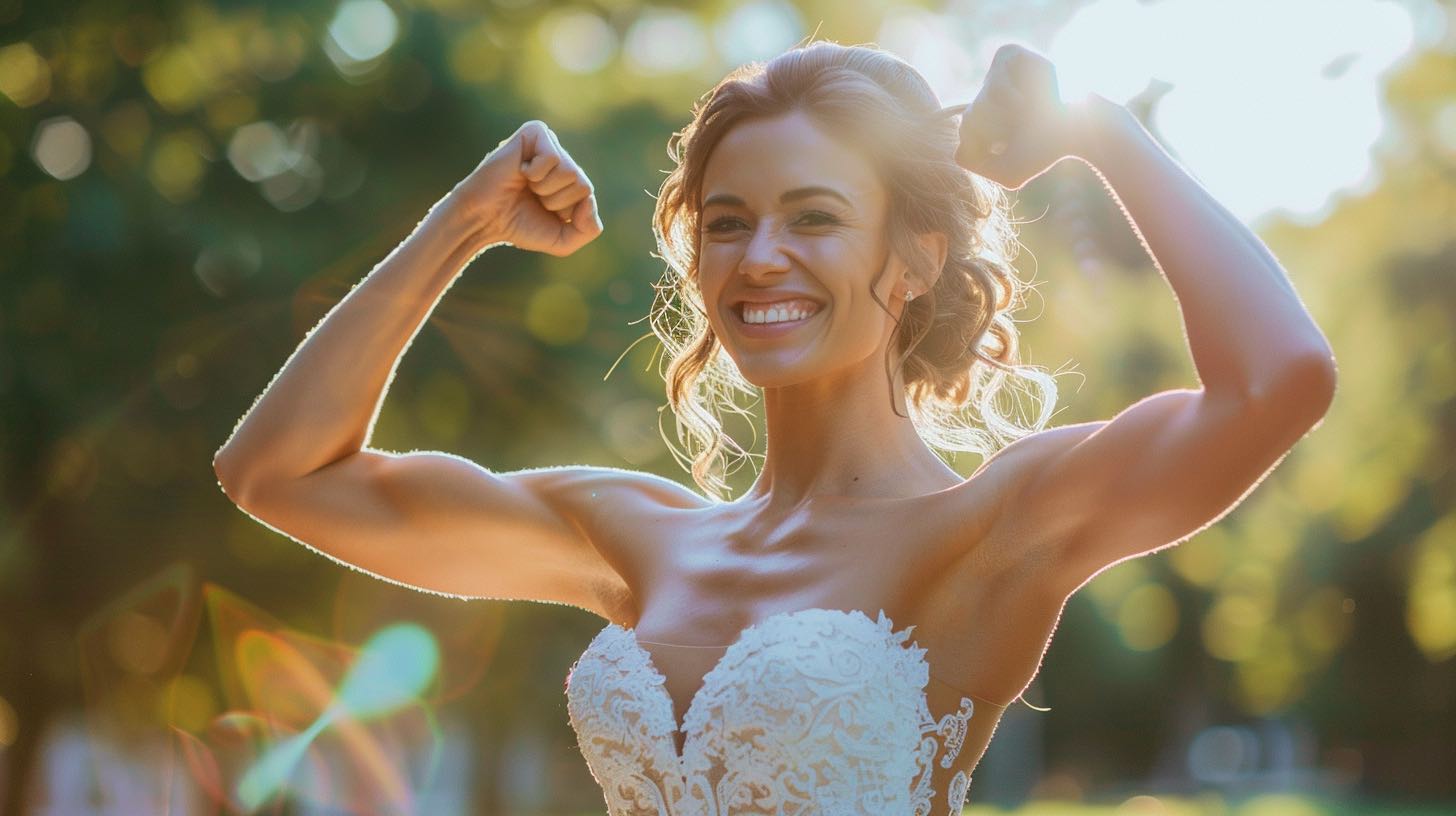
First of all, let's talk about the benefits of a personal trainer.
Having someone to guide you in your training can be a game-changer.
They can help you set achievable goals, create a personalized training plan, and motivate and support you throughout your journey.
Moreover, they can ensure that you move correctly to avoid injuries and maximize results.
When looking to find the right trainer for you, it's important to do your research.
Look for someone who is certified by a recognized organization and has experience with clients who have similar goals to yours.
You need someone who pushes you out of your comfort zone but also knows when you need to take a break.
And don't hesitate to ask for references or read online reviews to get an idea of the person's reputation.
Once you've found the perfect personal trainer, what can you expect from your training sessions?
Well, first of all, you should expect to work hard.
A good trainer will challenge you and push you beyond your limits. You should also expect them to supervise and personally guide you during your training - and not let their attention slip!
And don't forget accountability - having someone to hold you accountable can make a difference if you want to stick to your fitness routine.
Overall, personal training can be a good investment in your health and well-being.
It can help you reach your goals faster, stay motivated, and learn the right techniques that will benefit you in the long run.
So, if you are considering hiring a personal trainer, go for it!
As a future bride, it's important to have a solid workout plan so that you look and feel great on your wedding day. Fortunately, there are many options for personalized workout plans designed specifically for brides.
Personalized workout plans for brides can take into account your current fitness level, specific areas you want to work on, and the time you have left before your big day.
Whether you are a fitness beginner or a gym regular, there is a plan that can help you achieve your goals.
For example, if you are just starting your fitness journey, a beginner plan might include a mix of endurance exercises (like walking or running) and strength training (with body weight or light weights).
As you progress, you can increase the intensity and incorporate more challenging exercises to achieve further results.
If you are already in good shape but want to target specific areas like your arms or abs, an advanced plan might focus on targeted strength exercises and high-intensity interval training (HIIT).
These plans can help you develop lean muscles and burn fat for a more defined look.
For busy brides juggling wedding preparations, work, and other commitments, incorporating the workout plan into the daily routine is essential.
When you find a plan that fits perfectly into your schedule - whether it's a morning workout before work, a quick lunchtime workout at the gym, or an evening workout with friends - you can ensure you stay on track and see results.
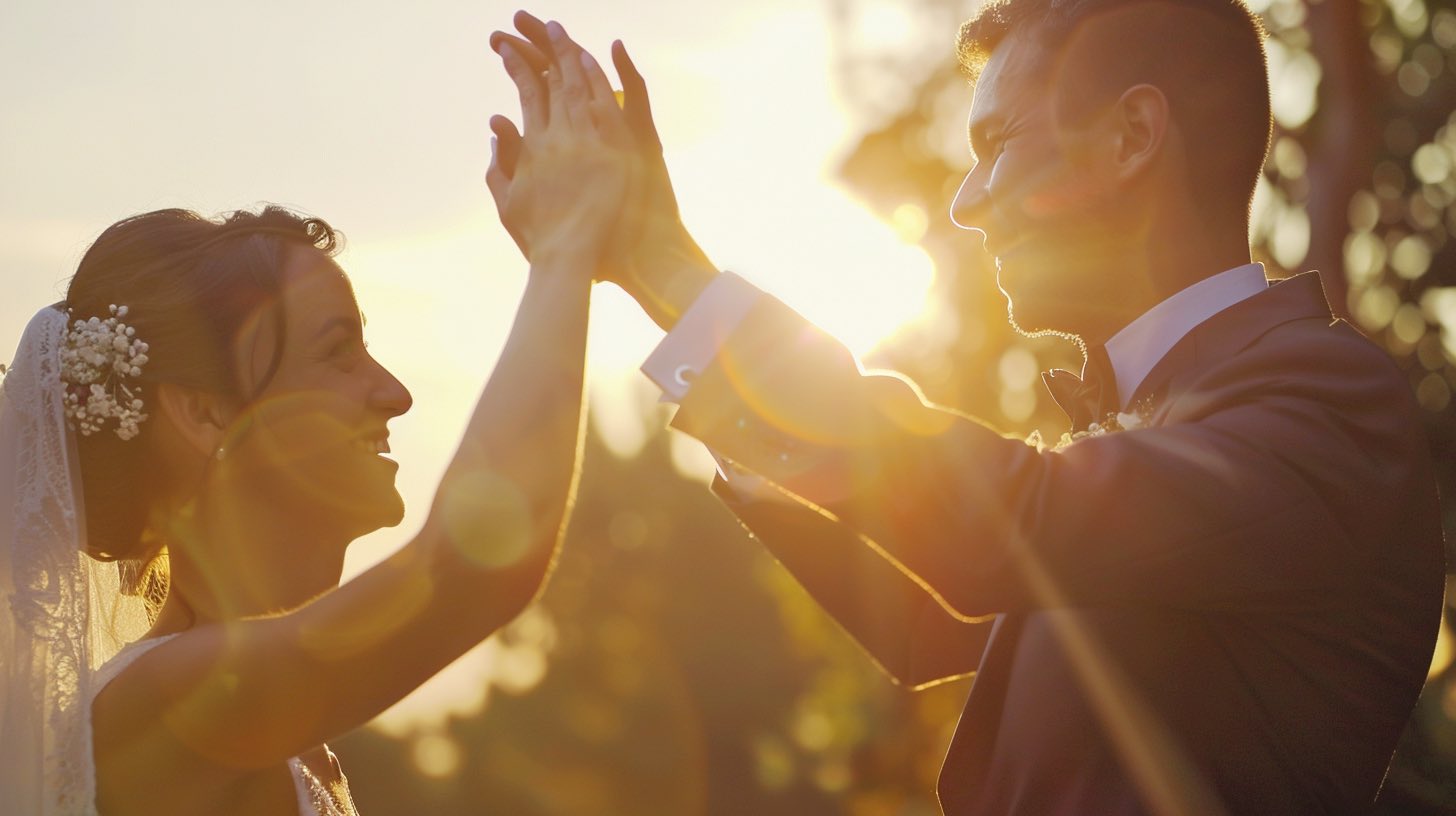
Whether you are a bride-to-be or a groom-to-be, it is important that you look great and feel good on your wedding day.
And who wouldn't want to feel confident and strong walking down the aisle?
For all brides, it is important to focus on strengthening the arms, back, and core.
An excellent exercise for these areas is the plank.
This simple yet effective exercise not only strengthens your core muscles but also your arms and back.
Moreover, you can do it anywhere - no need for fancy equipment!
Another great exercise for brides is the squat.
This lower body movement not only strengthens your legs and glutes but also engages your core for added stability.
Moreover, squats are a compound exercise, meaning they engage multiple muscle groups at once - a positive point!
If you're short on time or simply prefer to work out at home, there are plenty of workouts you can do without setting foot in a gym.
One option is a HIIT workout (high-intensity interval training).
These quick but intense exercises are perfect for burning calories and boosting your metabolism.
You can also check out online workout videos or apps focused on home workouts.
The offerings range from Yoga to strength training and dance cardio - there's something for all fitness levels and interests.
Consistency is key to achieving workout results.
One tip to stay consistent is to schedule your workout like any other appointment.
Consider it as non-negotiable time slots in your day - after all, taking care of your body should be a priority!
Another tip is to make the workout varied and interesting.
Trying new exercises or changing your routine can help avoid boredom and keep you motivated.
Moreover, varied training allows for engaging different muscle groups and avoiding plateaus.
Remember, it's not just about your appearance as you prepare for your wedding day, but also about feeling strong, confident, and healthy.

After discussing the importance of physical activity, let's now look at dietary strategies that can help you achieve your health and fitness goals.
A balanced and nutrient-rich diet is essential to provide energy to your body and achieve optimal performance.
Developing healthy eating habits is the key to balanced nutrition.
This means you should incorporate a variety of fruits, vegetables, lean proteins, whole grains, and healthy fats into your meals.
Try to limit processed foods and added sugars, and opt for whole foods, whenever possible.
Remember: moderation is key!
If you want to lose weight, it is important to achieve a calorie deficit that does not leave you constantly hungry.
Focus on consuming nutrient-rich foods that fill you up, such as vegetables, lean proteins, and whole grains.
You can also try incorporating more fiber-rich foods into your diet to feel fuller longer.
Do you need some ideas for healthy meals and snacks?
Here are some ideas to help you get started:
- Grilled chicken with quinoa and sautéed vegetables
- Greek yogurt with berries and some almonds
- Hummus with cucumber slices and whole-grain pita bread
- A smoothie with spinach, banana, almond milk, and protein powder
Don't forget how important it is to stay well hydrated!
Water plays a crucial role in many bodily functions, such as digestion, circulation, and temperature regulation.
Drink at least 8 glasses of water a day or more if you are active or live in a hot climate.
You can also drink other beverages like herbal teas or coconut water.
By focusing on healthy eating habits, reducing calories without sacrificing satiety, choosing nutrient-rich meals and snacks, and staying adequately hydrated, you are on the right track to achieving your health and fitness goals.
Remember that consistency is key - small changes can lead to great success over time!
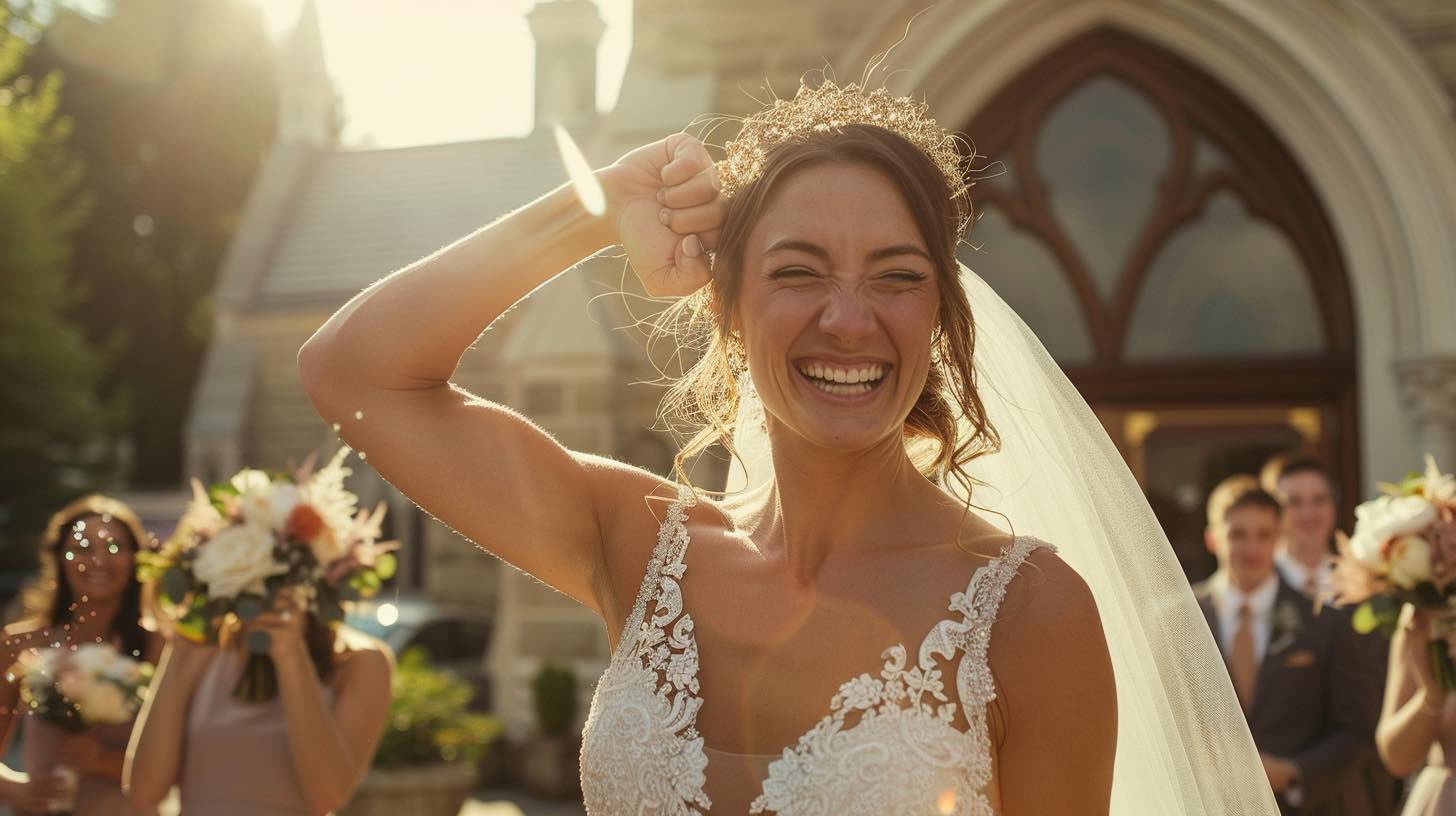
Wedding preparations are already stressful enough, so you don't need to worry about losing a few pounds to look good on the big day.
But don't worry, there are plenty of foods and weight loss tips that can help you achieve your goal before saying 'I do'.
In this article, we will introduce you to some foods that can aid weight loss, discuss the effectiveness of dietary supplements, and give you some tips to combat bloating and water retention.
When you want to lose weight for your wedding, incorporating the right foods into your diet can make a decisive difference.
Foods that help with weight loss include leafy greens like spinach and kale, as well as lean proteins like chicken and fish.
These foods are low in calories but high in nutrients, making them a good choice for anyone looking to shed extra pounds.
Moreover, fiber-rich foods like whole grains, fruits, and vegetables can help you feel full longer and avoid overeating.
Nuts and seeds can also be a good way to curb hunger between meals.
And don't forget the importance of hydration: drinking plenty of water throughout the day boosts your metabolism and helps you feel full.
While it's important to incorporate weight-loss foods into your diet, some people also turn to dietary supplements to support their weight loss.
Dietary supplements like green tea extract, Garcinia Cambogia, and forskolin are supposed to promote weight loss by boosting metabolism or suppressing appetite.
However, it is important to know thatdietary supplementsare not regulated by the FDA and are not always safe or effective.
Before incorporating a dietary supplement into your program, you should consult a doctor or a nutritionist to ensure its safety and effectiveness.
In addition to weight loss foods and dietary supplements, reducing bloating and water retention can also help you look slimmer on your wedding day.
One of the best ways to fight bloating is to monitor your sodium intake - if you consume fewer processed foods and instead choose whole and natural ingredients, you can reduce water retention.
Another tip to combat bloating is to include probiotic-rich foods like yogurt and kefir in your diet.
These foods can promote gut health and support digestion, which in turn can reduce bloating.
Additionally, it can be helpful to drink plenty of water throughout the day to help flush out toxins.
Tags