No products in the cart.
March 20th
Beginner's Guide to Protein
0 comments

Protein shakes don't make you a muscular tough guy.
Not even as a woman.
However, they may extend your life.
Sounds confusing?
Then let's provide a better overview.
Today, we want to talk about one of the most important nutrients for our body: proteins.
If you're wondering what exactly proteins are and why they are so important, you're in the right place.
So you're asking yourself, what are proteins?
Well, simply put, proteins are large molecules made up of amino acids.
These amino acids are often referred to as the building blocks of life because they play a critical role in various bodily functions.
From repairing tissues and cells to regulating hormones and enzymes, proteins are involved in almost every process in our body.
The importance of proteins for our body cannot be overstated.
They are vital for growth and development as well as for the maintenance and repair of tissues.
Furthermore, proteins also play an important role in a healthy immune system and good digestion.
Without enough proteins In ours diet, our body cannot function optimally.

We all know that protein is important for our health and fitness, but did you know that there are different types of protein?
Let's take a look.
Animal proteins are probably the most commonly consumed type of protein.
These include sources such as chicken, beef, fish, and eggs.
Animal proteins are considered complete proteins because they contain all nine essential amino acids that our body needs.
They are also rich in iron and vitamins B12, which are important for overall health.
Plant-based proteins, on the other hand, come from plant sources such as beans, lentils, nuts, and seeds.
Even though plant-based proteins alone are not always complete proteins, you can easily combine different plant sources to create a complete protein meal.
Plant-based proteins also contain less saturated fat and cholesterol than animal proteins, making them a good choice for anyone looking to reduce their consumption of animal products.
Now let's talk about supplements.
Protein shakes and bars have become increasingly popular among fitness enthusiasts because they provide a convenient way to boost protein intake.
These supplements usually consist of whey or plant-based protein powders and offer a quick and easy way to increase protein intake even on the go.
Protein shakes are great for recovery after workouts, while protein bars are a convenient snack option for on the go.
Whether you prefer animal or plant-based proteins or consume protein shakes and bars, it is important to get enough protein to achieve your health and fitness goals.
Experiment with different protein sources and find out what works best for you!
In ours Fitness retreats, we often use the protein from Mana.
Make sure to consume protein after Pilates at Templeshape
Try one of our workouts at a discounted price!
Let’s discuss the role of the most popular macronutrient in nutrition!
Protein is an important part of our diet as it plays a key role in various bodily functions, including muscle building, repair, and growth.
In this section, we will learn how important protein is in the diet and how much you actually need.
The amount of protein you consume through your diet depends on factors such as age, gender, activity level, and overall health status.
In general, the recommended daily allowance (RDA) for protein is 0.8 grams per kilogram of body weight.
However, if you want to build muscle or are particularly active, you need about double the protein to achieve your goals.
Those who are physically active or want to build muscle should consume about 1.2-2.0 grams of protein per kilogram of body weight.
This higher intake can Support muscle repair and growth, especially in combination with strength training.
Now that we’ve discussed how much protein you need, let’s talk about where you can find it in your diet.
There are many delicious and nutritious sources of protein, including animal sources such as meat, poultry, fish, eggs, and dairy products.
Plant sources such as beans, lentils, tofu, Tempeh, nuts, seeds, and whole grains also provide plenty of protein.
It is important to vary your protein sources to ensure you get a wide range of essential amino acids - the building blocks of protein that our body needs for various functions.
By combining different protein sources throughout the day, you can meet your needs and keep things interesting in the kitchen!
Protein is often touted as an important nutrient for muscle building - and for good reason!
When we engage in strength training or other forms of resistance training, small tears occur in our muscles that need to be repaired and rebuilt stronger than before.
Protein plays a key role in this process by providing the necessary amino acids for the repair and growth of muscles.
Adequate protein intake supports not only muscle building but can also help with weight management by promoting feelings of fullness and preserving lean body mass during times of calorie restriction.
This means that adequate protein intake can help you feel full and satisfied while also allowing you to achieve your fitness goals.
Whether you go to the gym regularly or just want to nourish your body with nutritious foods, be sure to consume plenty of protein-rich foods.

Proteins are important for everyone, but did you know that women have a slightly different protein requirement than men?
Yes, that's true!
Women need to ensure they are getting enough protein to Support their health and well-being.
The protein requirement for women depends on various factors such as age, weight, activity level, and overall health status.
On average, it is recommended that women consume about 46 grams of protein per day.
However, this amount can increase for pregnant or breastfeeding women, as well as for women who are very active or looking to build muscle.
When it comes to muscle building, protein plays as important a role for women as it does for men.
Some women worry that too much protein will make them fat or too muscular, but the truth is that protein is essential for building and repairing muscle tissue.
By incorporating protein-rich foods into your diet, you can build muscle mass and Support recovery after workouts.
A protein-rich diet for women should include a variety of sources such as lean meats like chicken, turkey, and fish, as well as plant-based sources like beans, lentils, nuts, and tofu.
Dairy products like yogurt and cheese are also a good source of protein.
It's important to focus on a balanced mix of animal and plant proteins to ensure you are getting all the essential amino acids your body needs.
In addition to whole protein sources, many women find it helpful to meet their daily needs with protein powders or bars.
These products are convenient if you're on the go or looking for a quick snack after a workout.
Just make sure to choose high-quality products with minimal additives or sweeteners.
Overall, it's important for women's health and well-being to pay attention to adequate protein intake.
Whether you want to build muscle, Support an active lifestyle, or just maintain your health, incorporating protein-rich foods into your daily meals can help you achieve your goals.
So enjoy the chicken salad or the parfait with Greek yogurt.
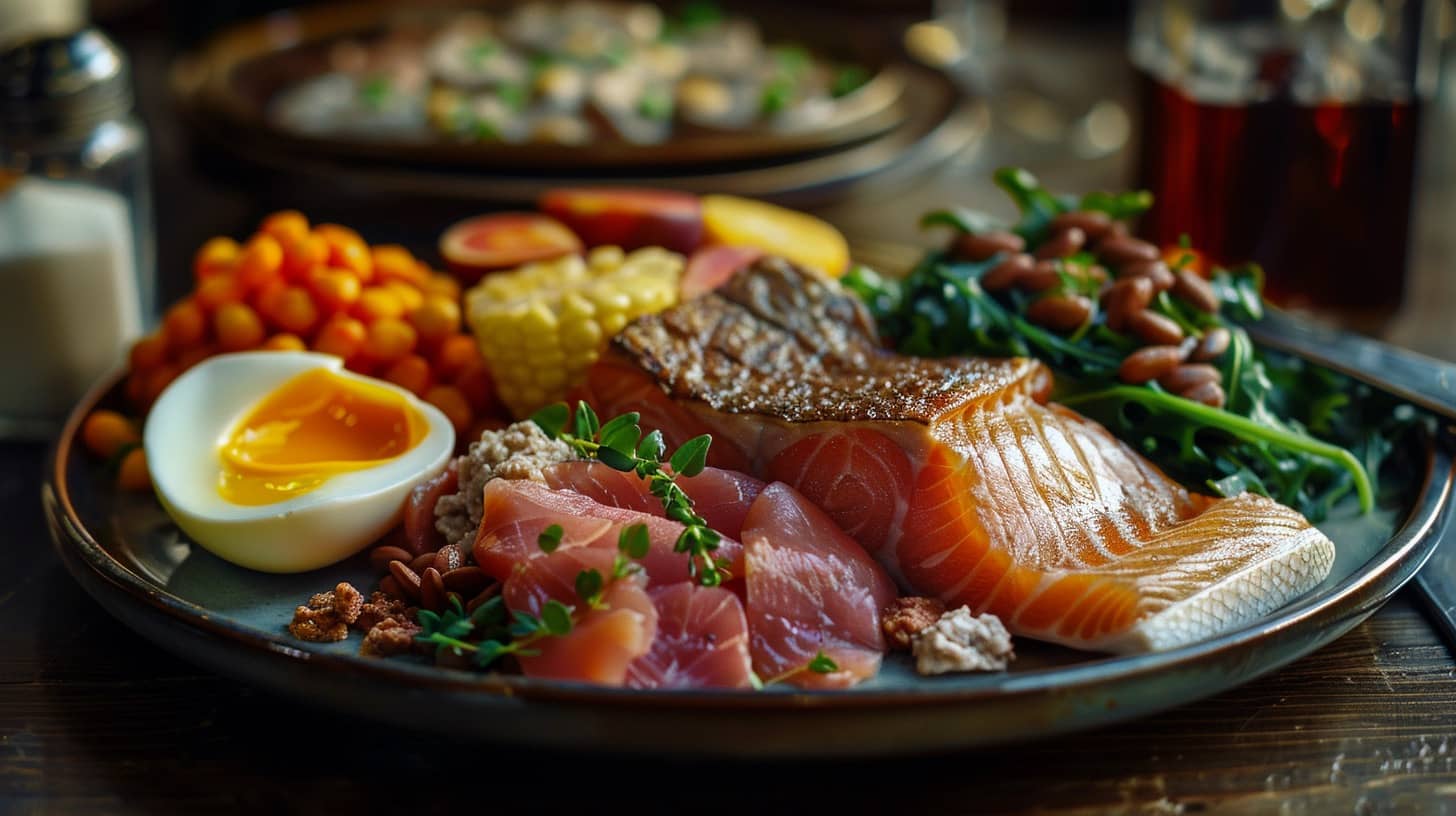
Protein is an important nutrient for our bodies and plays a crucial role in building and repairing tissue, muscle growth, and maintaining overall health.
Fortunately, there are many delicious and nutritious foods that are high in protein.
Meat and fish are the classic protein sources that many people rely on for their daily intake.
Whether you're a fan of juicy steaks, tender chicken breasts, or flaky salmon fillets, there are plenty of ways to meet your protein needs.
Additionally, these animal proteins typically contain other important nutrients such as iron, zinc, and B vitamins.
If you're looking for variety or follow a vegetarian or vegan diet, there are also many plant-based protein sources to choose from.
Legumes like beans, lentils, and chickpeas are not only high in protein but also rich in fiber and other important vitamins and minerals.
Nuts and seeds like almonds, chia seeds, and pumpkin seeds are also a great option to boost your meals or snacks with protein.
An often overlooked source of protein is eggs. Eggs are incredibly versatile - they can be used as scrambled, fried, boiled, poached, or baked...
Eggs not only contain high-quality protein but also important nutrients like vitamin D and choline.
Whether enjoyed as part of a hearty breakfast or as a main ingredient in your favorite baked goods, eggs are definitely worth including in your diet.
We always order our eggs fresh from the farm eiermeier.ch.
Overall, a protein-rich diet doesn't have to be boring or bland.
There are so many delicious options - whether meat and fish, legumes and nuts, or the versatile eggs - that you can easily meet your protein needs while enjoying a variety of tasty meals.

Protein shakes have become a staple in many people's diets, especially for those looking to build muscle or recover from intense workouts.
They are a convenient and efficient way to ensure your body gets the protein it needs for muscle repair and growth.
But how do you know which protein shake is right for you with so many options on the market?
In this article, we'll explain the benefits of protein shakes, how to choose the right one, and how they can Support muscle building and recovery.
Protein is an important macronutrient that plays a crucial role in building and repairing tissue In ours bodies.
When we do sports like HIIT boot camp Exercising creates micro-tears in our muscles that need to be repaired in order to become stronger.
Protein shakes offer a quick and easy way to provide our muscles with high-quality protein so they can recover faster and grow more effectively.
Protein shakes are also a convenient option for those who don't have time to prepare a full meal after a workout or who need a quick snack on the go.
With just one scoop of protein powder and a little water or milk, you can prepare a nutritious and satisfying shake in minutes.
When it comes to choosing the right protein shake for your needs, there are a few factors you should consider.
First and foremost, you should choose a high-quality protein powder that is free of added sugar or artificial ingredients.
Whey protein is one of the most popular options because it is quickly absorbed by the body and contains all the essential amino acids needed for muscle building.
If you are lactose intolerant or prefer a plant-based option, there are also many vegan protein powders from sources such as pea, soy or rice protein.
These options also provide all the essential amino acids your body needs to build muscle.
It is also important to pay attention to the taste and consistency of the protein shake.
Some people prefer sweeter flavors like chocolate or vanilla, while others may prefer something neutral that they can enhance with fruit or nut butter.
Experiment with different brands and flavors until you find one that you enjoy drinking regularly.
Protein shakes can be an effective way to build muscle mass when combined with regular strength training.
Consuming a high-protein shake after exercise can stimulate protein synthesis in muscles, leading to faster recovery and growth.
If you want to maximize your muscle building potential, you should consume a protein shake within 30 minutes of training.
This post-workout window is when your muscles are most receptive to nutrients like protein, making it an ideal time to drink a shake.
Protein shakes not only help build muscle, but also help muscles regenerate after intense physical activity.
The amino acids contained in protein powders play an important role in repairing damaged muscle fibers and reducing muscle soreness after exercise.
Overall, incorporating protein shakes into your diet can be an effective way to support your fitness goals and promote your overall health.
Whether you're looking to build muscle mass or recover from tough workouts, there's bound to be a protein shake that's perfect for you.
So grab your blender and start experimenting with different flavors and brands.
Protein is often viewed as the building block of life and plays a critical role in our health and well-being.
As we age, the importance of protein becomes even more apparent as it can help us maintain muscle mass, improve bone health and have a strong immune system to support.
In fact, research has shown that protein can also play a key role in promoting longevity.
Proteins are important for repairing and maintaining our cells, tissues and organs.
They are also involved in various metabolic processes that help our body function properly.
The older we get, the more proteins our body needs to support these processes and prevent muscle loss.
Studies have shown that older adults who consume adequate amounts of protein have better muscle mass and strength and have a lower risk of developing chronic diseases.
One of the biggest problems for older adults is maintaining muscle mass and strength.
As we age, our bodies naturally lose muscle mass, which can lead to frailty and an increased risk of falls and fractures.
Protein plays a crucial role in maintaining muscle mass and strength, especially when combined with regular exercise.
By consuming enough protein from sources such as lean meats, poultry, fish, eggs, dairy products, legumes, nuts and seeds, older adults can support their muscle health and overall physical function.
There are several ways older adults can optimize their protein intake to support their overall health and longevity.
An important tip is to eat protein-rich foods with every meal and snack throughout the day.
This way you can ensure that your body is constantly supplied with amino acids that support muscle repair and growth.
It is also important to choose high-quality protein sources that are low in saturated fats and added sugars.
Another tip is to spread your protein intake evenly throughout the day rather than burdening yourself with one big meal.
This allows you to maximize muscle protein synthesis throughout the day and prevent muscle breakdown.
Additionally, older adults should eat a variety of protein sources to ensure they are getting all the essential amino acids their bodies need.
In summary, protein plays an important role in promoting longevity by supporting muscle health, bone density, immune function and overall well-being.
By including high-quality sources of protein in your diet and following these tips for optimal intake as you age, you can support your body's natural aging process and enjoy better health outcomes as you age.

So you have decided on a high-protein diet - congratulations!
Regardless of whether you want to build muscle, lose weight, or simply improve your health, a higher protein intake can bring many benefits.
But where should you even start?
Don't worry, I have practical tips for you that will help you find the right entry point.
First, we need to find out how much protein you actually need.
The general recommendation for protein intake is 0.8 grams per kilogram of body weight.
However, if you want to build muscle or engage in intense physical activity, you might need more.
To calculate your specific protein needs, simply multiply your body weight in kilograms by a factor that corresponds to your activity level:
- Sedentary: 0.8-1.0 grams/kg
- Moderate activity: 1-1.5 grams/kg
- Intense activity or muscle building: 1.5-2+ grams/kg
Once you have this number, you can easily plan how much protein you should incorporate into each meal and snack throughout the day.
Now that you know how much protein you need, it’s time to incorporate it into your meals and snacks.
The most important thing is to use a variety of protein sources like lean meats, poultry, fish, eggs, dairy, legumes, nuts, seeds, and tofu.
Start by planning your meals around a protein source - like grilled chicken breast for lunch or Greek yogurt with berries for breakfast.
Don't forget about snacks!
Opt for a handful of almonds or a hard-boiled egg when hunger strikes in between meals.
A look into our cookbook 'Nourish from Within' will help you find something suitable right away.
Are you still a bit confused when it comes to protein?
We answer a few questions that may still be swirling in your mind:
- Can I get enough protein from plant sources?
Absolutely! Legumes like beans and lentils are great plant-based protein sources.
- Can you consume too much protein?
Yes, it is possible to overdo it with protein, which can put excessive strain on the kidneys.
- Should I have a protein shake after my workout?
Whole foods are generally better than supplements for meeting your daily protein needs.
If you follow these practical tips and guidelines for starting a high-protein diet, you'll be well on your way to achieving your health and fitness goals.
Remember to listen to your body and make adjustments as needed.
And now, enjoy all those delicious high-protein meals!
tags