No products in the cart.
July 7th

Running 20km sounds hard, right?
But it's the marathon runner's secret weapon!
Whether you're an experienced runner or a newbie looking to improve your performance, a 20K run is very rewarding. Not convinced yet?
Then find out now why you should lace up your shoes and start running!
Why run 20 km? Quite simply: it's the perfect endurance challenge! Enough to push you to your limits without overwhelming yourself.
Running 20km allows you to enjoy long-distance running without the stress of a marathon. Imagine trying the chocolate in a cake mix without baking the whole thing. It also trains aerobic endurance, transforms you from a couch potato to a sprinter and strengthens your mental strength.
Fun fact: The 'runner's high' is more pronounced during longer runs like 20km. Endorphins, dopamine, serotonin... your brain is having a feel-good party!
A 20km run is also good for endurance training. Your mitochondria hum, your capillaries dilate and your oxygen supply improves. During long runs, fat is increasingly used as an energy source as glycogen stores are depleted. You save more Glycogen, which will help you on future runs.

Training for a 20K run is like a dance routine, not a Bootcamp. Gradually increase your mileage and add rest days. It's about rethinking your running behavior and learning the art of pacing.
Start with shorter runs and carefully increase your weekly mileage by 5-10%. Regularity is key - to prevent injuries and build endurance. Remember that the long run should not exceed a third of the total weekly mileage. This helps control the strain.
Think of your training week like a menu. Easy runs as a staple, tempo runs for momentum, and a long jog to build endurance. Provide variety with intervals.
Cross-training and strength exercises are also important. They strengthen the muscles and protect against injuries such as runner's knee. Injury risks can increase exponentially, especially for runs between 30 and 34 km, so a 20 km run is a safer distance.
Effective plans maintain a balance between easy and heavy days. Use recovery weeks to rejuvenate your body and mind. Remember: recovery is not a break, it is part of training!
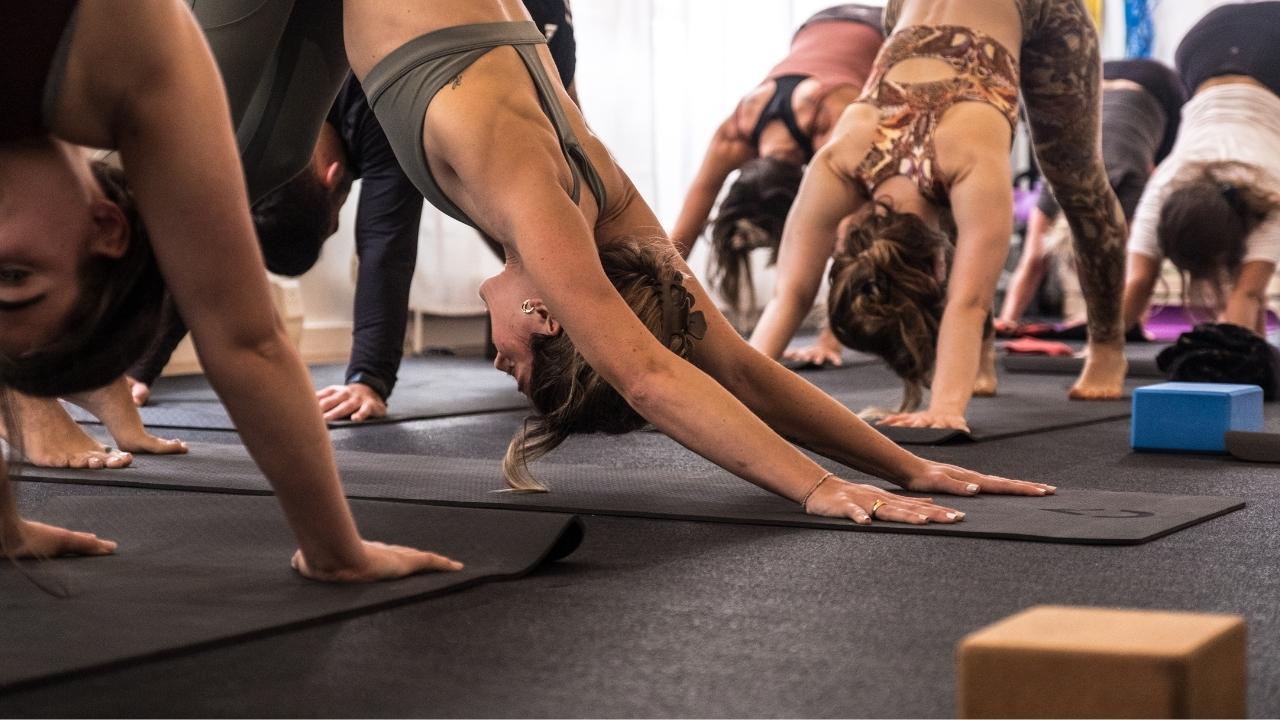
Now Fitness group lessons Book in Wiedikon & at the airport!
Proper nutrition is crucial for long runs. Opt for slow-release carbohydrates and skip the pastries. Whole grains, fruits and vegetables provide long-lasting energy. In a marathon it is particularly important to be able to use more fat as an energy source.
Hydration is important. Water is the be-all and end-all, but electrolyte drinks also help on long runs. Energy gels or chewing gum provide the boost you need during your run.
Test your nutrition plan during Training. You don’t want any surprises at the ten kilometer mark. Eat a light breakfast before your run. After your run, treat yourself to a protein-rich meal to recover.

A 20 km run is also a mental workout. It's important to stay in the 'zone'. Music helps - create a playlist that lifts your mood and gets your adrenaline pumping.
Use visualization as a weapon: imagine yourself crossing the finish line in all your glory. Positive affirmations protect against doubts. Mantras like 'Every step is strength!' work wonders.
Running buddies or community events provide support. Mental practice creates a basis of trust. Plan each challenge mentally before the run.

It's race day!
Nerves are normal - think of them as butterflies in preparation. Sleep well. Wake up ready because real race day beats any dream.
Enjoy a light breakfast in the morning. Arrive early to soak up the energy. Calm your mind as you lace up your shoes.
Rest days are important to achieve optimal fitness. Even recreational athletes should Plan at least two rest days per week.
You shouldn't sprint at the starting line. Find a comfortable pace and listen to your body. Drink when you're thirsty and stretch when necessary.
Focus on your 'why'. Visualize the finish line. Enjoy the camaraderie among the runners - exchange smiles and encouragement.
Revel in triumph after the run. Reward yourself with a stretch or a smoothie. Couch potato with a movie? Totally deserved! Your 20km run is not just a milestone, but the culmination of ambition, laughter and self-reflection.
Are you ready to put 20km into action?
Strap yourself in, take on the journey and let the fun begin!
The best thing to do afterwards is to jump into the lake or take a drink Ice bath 😉
tags