March 18
Are eggs unhealthy or healthy? 10 facts, myths & nutrition tips
0 comments

Eggs: Are they a healthy choice or not?
For years, people have been arguing about this question. The big question is about cholesterol. Does the cholesterol in eggs make them bad for you? Although eggs are full of nutrients, some worry about their cholesterol levels.
But in light of new studies, it's time to figure out where eggs really fit into a healthy diet. Let's debunk the myths and find out what the latest science says about our favorite breakfast.
New studies are changing our views on the cholesterol levels of eggs. It used to be said that consuming foods like eggs increases blood cholesterol levels and the risk of heart disease. But research now shows something different. A Australian study involving over 8,000 older people found that consuming one to six eggs per week can lower health risks. Moreover, there is no correlation between egg consumption and mortality from cancer.
An important study found that seniors who eat eggs have a 29% lower riskof dying from heart disease. This changes the old view that dietary cholesterol greatly impacts blood cholesterol levels. Our bodies manage cholesterol intelligently; when we eat more, the body often produces less. This means that consuming some cholesterol does not necessarily raise blood cholesterol levels for most people.
It’s not just about what we eat, but also genetics, lifestyle, and our overall diet. For many people, consuming eggs in moderation is not only safe but can also be good for the heart.
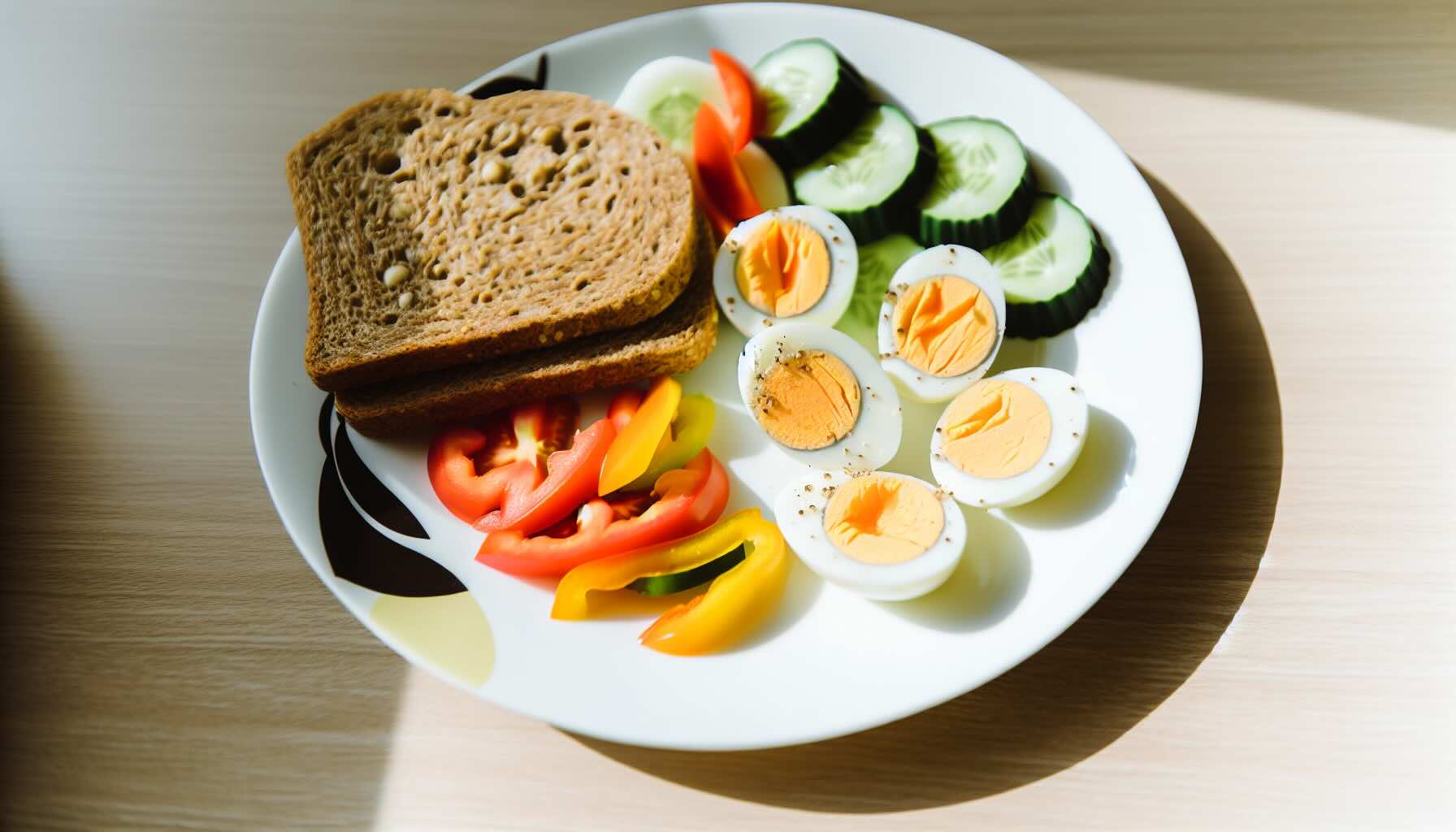
Eggs are full of good things, not just cholesterol. They are packed with high-quality protein, about six grams per egg, which is beneficial for muscles and growth. Eggs also contain important vitamins like A, D, E, and B12.These help with vision, the immune system, and strong bones. B12 is important for brain function and is hard to find in non-animal foods.
Eggs are also rich in minerals like selenium, iron, and phosphorus, which support strong bones and protect cells. A standout nutrient is choline, which is important for brain and cell function. Additionally, eggs contain good fats, including omega-3 fatty acids for heart health. Lutein and zeaxanthin help protect the eyes from damage. Most of these nutrients are found in the yolk, so it’s worth keeping it in your meal.
Open to nutritional advice?
Come and let us advise you!
For most people, eggs are healthy. However, if you have certain conditions like genetic cholesterol issues, diabetes, or heart diseases, you should be cautious with eggs. These conditions can make you more sensitive to cholesterol and fat.
If you have these issues, you should eat only three to four eggs per week, considering your overall cholesterol levels. Fresh eggs can actually be stored at cool room temperature for up to a month. Don't forget that genetics plays a big role in how cholesterol affects you. It’s important to consider your egg consumption in relation to your diet and health.
Additionally, how you prepare eggs matters. Try to boil or poach them to retain the nutrients without adding fats from frying.

When you include eggs in your diet, it’s about more than just how many you eat. It’s about how they fit into your daily meals. If you are trying to lose weight, eggs can help. Their protein keeps you full, so you eat less later.
Eggs for breakfast can help control hunger and reduce calorie intake for the day. Make sure you prepare them healthily. Boiled or poached are the best options. Frying in bad fats can add too many calories and reduce their benefits.
Combine eggs with whole grains, vegetables, and fruits for a balanced meal. This stabilizes blood sugar and increases fiber intake. Eggs are great for recipes like vegetable omelets or avocados on toast.
For vegetarians, eggs provide important nutrients that are often missing from their diet. Mixing eggs with healthy foods like greens or whole grains enhances their benefits.

Eggs were once seen only as a cholesterol problem. Today, we know they are rich in nutrients, especially when consumed in moderation. It’s about understanding eggs correctly and making healthy choices. Science now shows that eggs are a good part of a balanced diet and not something to be feared.
Whether for health reasons, for weight control or simply because they are delicious - eggs have a lot to offer. They have a unique nutrient content that makes them a useful part of your health. Think about your overall diet, not just eggs, for a heart-healthy, balanced life.
Tags