March 18
Yoga during pregnancy: 5 Do’s & Don’ts
0 comments

Pregnancy is an extraordinary adventure.
Your body is changing to birth new life. It is only natural to need support for your body and mind.
Yoga is a fantastic way to navigate this journey with grace and strength. We want to explore yoga for pregnant women and find out how it can contribute to a harmonious pregnancy.
Pregnancy yoga is a gentle, adaptable method for maintaining fitness and reducing stress. It connects you deeply with your growing baby. Unlike typical workouts, it focuses on synchronizing breath with movement and promoting mindfulness. Whether you are new to yoga or have experience,Yoga supports the bond between mother and baby..
Prenatal yoga includes movements that adapt to your changing body. It ensures the safety of the baby. Yoga during pregnancy should always prioritize the safety of the baby in the womb. Additionally, it provides emotional and mental support. The techniques strengthen your resilience and calmness and prepare you for childbirth. This holistic approach makes yoga an important part of pregnancy.
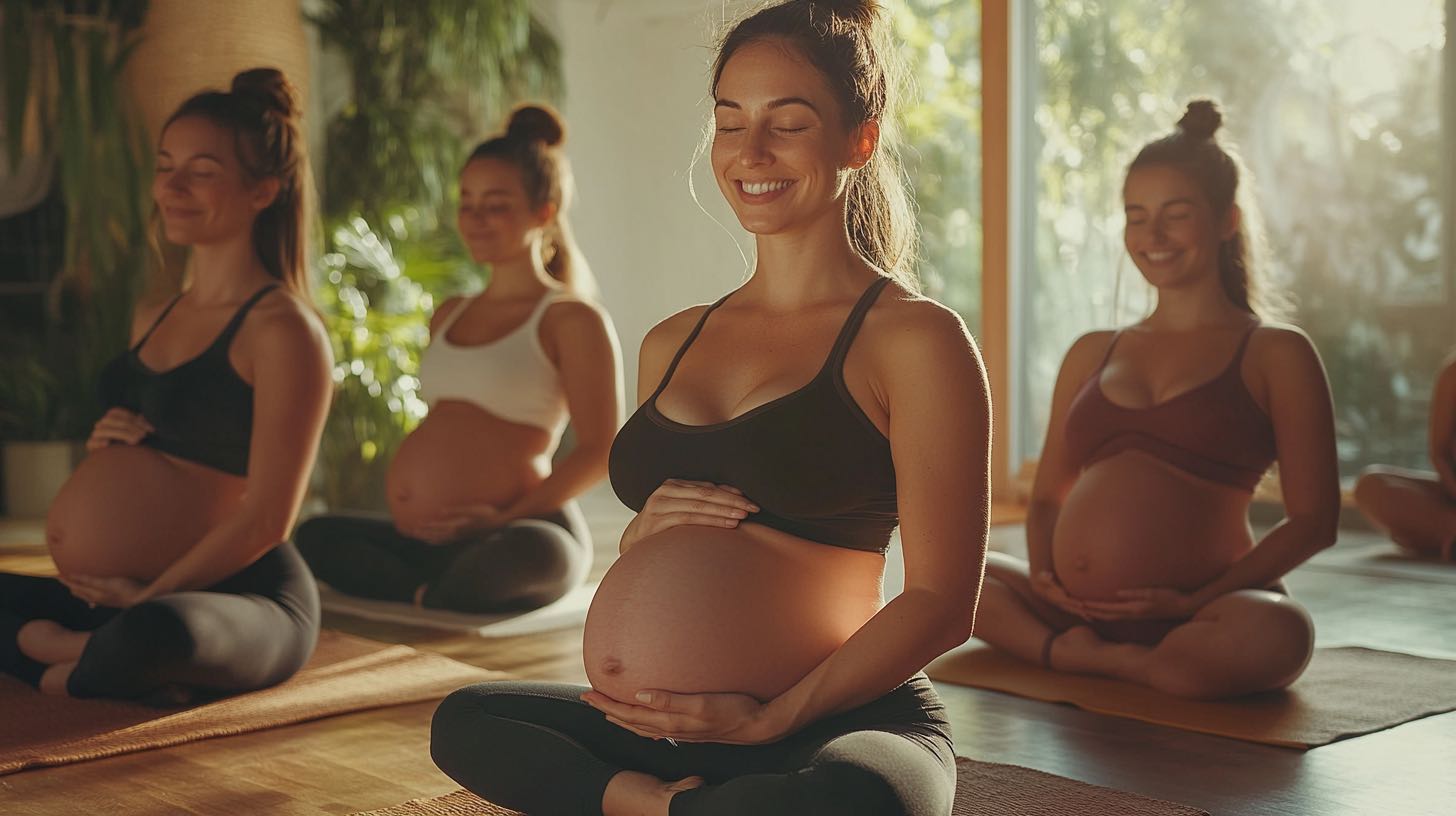
Before you start yoga, you should know the key safety precautions to protect yourself and your baby.
Do's:
Don'ts:
If you follow these guidelines, you can have a safe and enriching yoga experience during pregnancy.
Are you pregnant and want to do yoga?
Come join us in class - we have (expecting) mothers on our team!
Yoga offers benefits for body and mind:
These benefits support both pregnancy and recovery after childbirth.
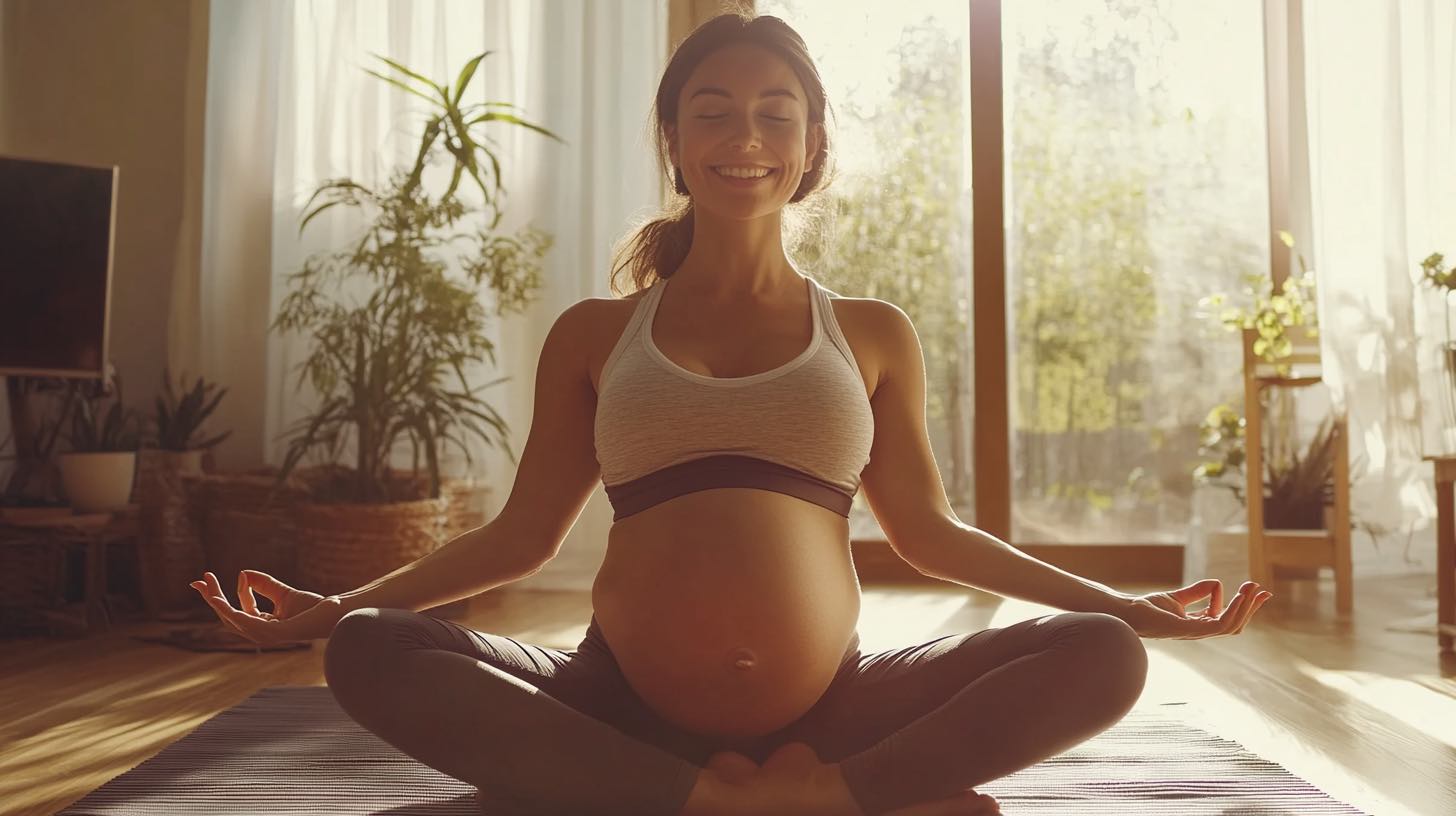
Yoga is a refuge. It offers self-observation and peace. Guided meditations and affirmations relieve anxiety.
Heart-opening poses like Child's Pose promote the release of emotions. Yoga fosters self-care, peace, and mindfulness.
Visualization and affirmations support a positive mindset. A powerful method to regain balance during pregnancy.
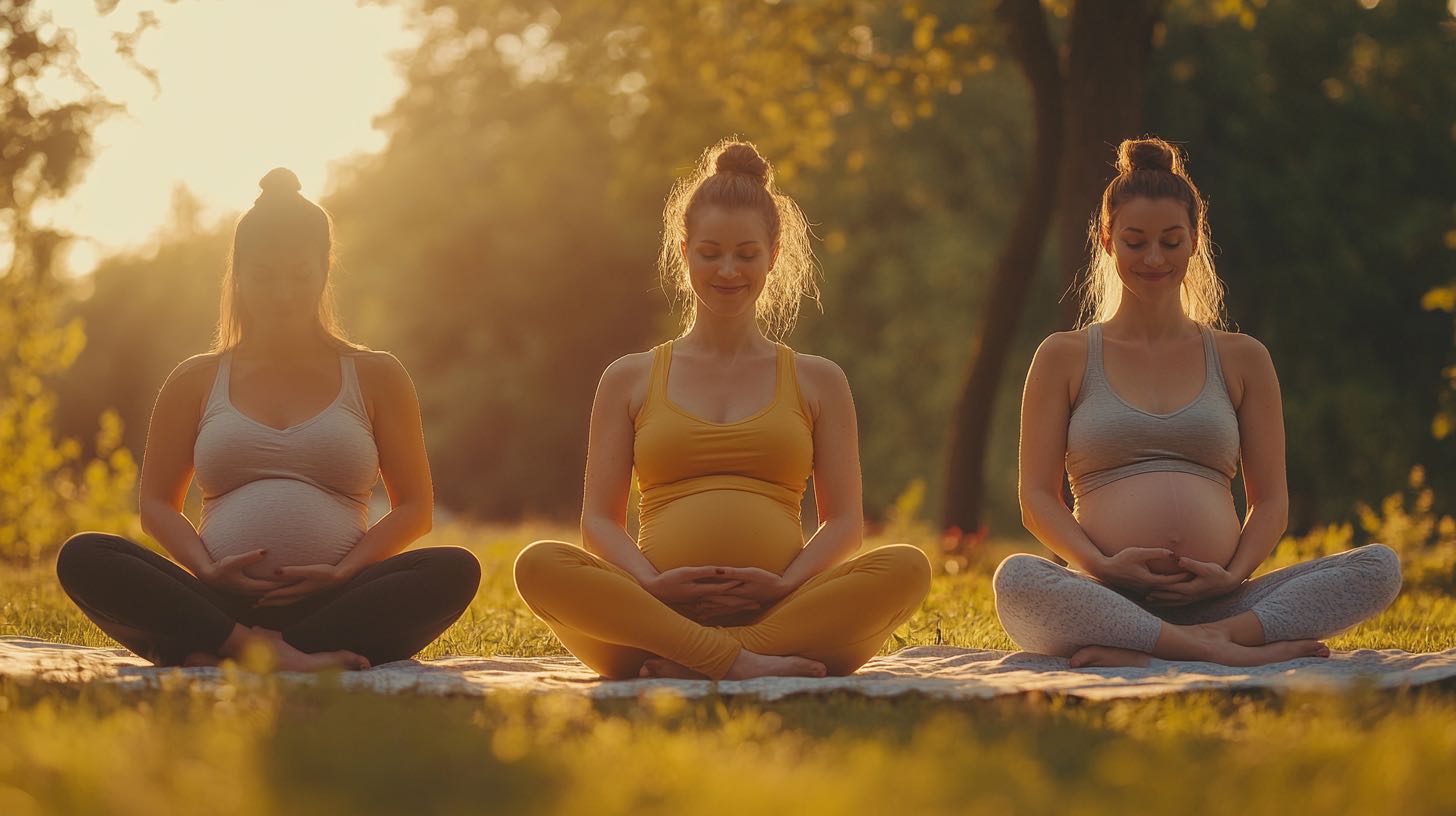
Safe, beneficial asanas for prenatal yoga:
These asanas improve fitness and deepen the bond with your baby. Gentle modifications ensure safety and comfort.
Abdominal training should be postponed until after birth to ensure safety.
Prenatal yoga is a gentle way to celebrate this transformative journey. Experience each hour mindfully and listen to your needs. Yoga connects you with your baby and enriches your experience with tranquility and strength.
Whether alone or in a group, yoga supports your health and self-determination during this time. With a thoughtful practice, you can also benefit from these advantages in motherhood by savoring them with love and perseverance.
Tags