March 17
Too many muscles as a woman? Unattractive “muscle legs”? Here’s what you can do!
0 comments

March 17
0 comments
The pressure to have a certain body type can feel overwhelming, especially for women.
Society traditionally celebrates slender shapes and ranks muscularity as undesirable.
People with natural muscle mass, especially in the legs, may feel isolated.
Always remember: You are not alone.
Many share your experience.
The notion that muscles are unattractive stems from outdated cultural myths. However, studies show that muscles come with health benefits: they improve metabolism, bone density, and reduce the risk of chronic diseases.low risk of chronic diseases with higher muscle mass.
As societal views change, our perception of beauty should also change, emphasizing strength and grace.
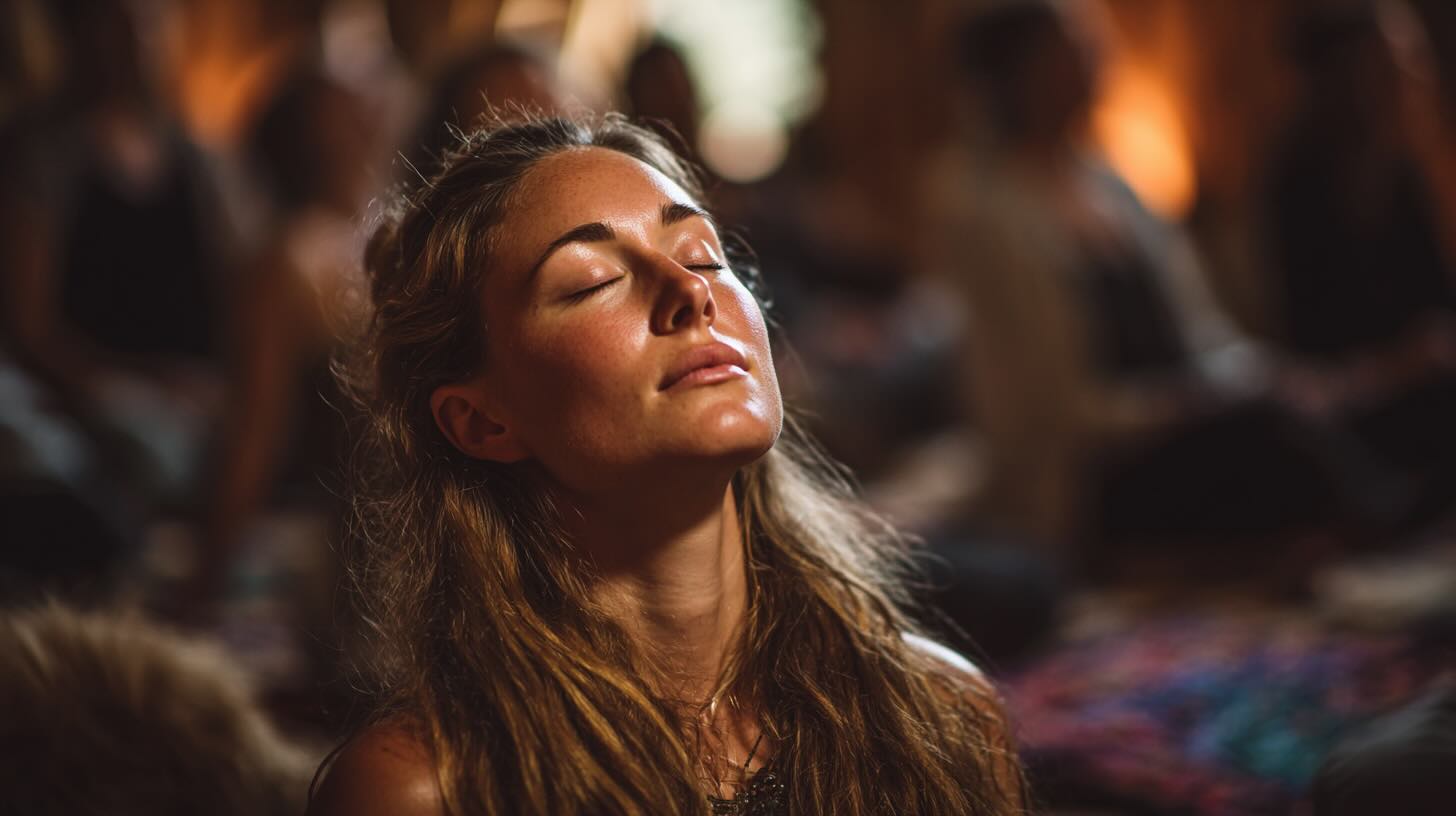
Now join yoga & Pilates classes in Zurich!
Several factors contribute to muscular legs: genetics, lifestyle, hormones, andnutrition.
Genetic predisposition: Genetics can greatly influence muscle development. Some naturally have more fast-twitch fibers to develop muscles.
Lifestyle and activity level: Sports like running or cycling promote leg muscles. Muscles grow when they are challenged, so an active lifestyle naturally leads to muscle development. Strength training increases calorie consumption and promotes muscle growth.
Hormonal influences: Hormones significantly influence muscle growth. Differences in testosterone, estrogen, and growth hormones can affect muscle development.
Nutritional intake: Nutrition is crucial.Protein promotes muscle growth, carbohydrates provide energy, and healthy fats support overall well-being. It is important to tailor your diet to your goals.
Recognizing these factors underscores that muscular legs are a gift of strength that enhances quality of life in daily activities or during sports. An 81% lower risk of heart attack or stroke with high muscle mass shows how valuable they can be.
To refine the muscles instead of enlarging them, strategic training is key. Combine strength training withHIIT endurance training for slimmer muscles.
Training with high repetitions and low weight: Focus on endurance rather than mass with lighter weights and higher repetitions.
Incorporate more cardiovascular training: Activities like running and swimming promote slimness. Together with a balanced diet, they help with weight loss.
Flexibility exercises: Yoga orPilates stretch the muscles, relieve stress, and improve well-being.
Functional training: Exercises like squats and lunges improve coordination and stability.
Regular rest and recovery: Recovery is important after training. Proper recovery and nutrition optimize muscle tone and prevent burnout.
These strategies create a slimmer appearance and improve overall fitness. Keep in mind that at a certain point, the attractiveness of overly muscular bodies diminishes..
Boost your self-confidence by choosing your clothing. Dressing according to your own style can improve self-image.
Pay attention to A-line and flared cuts: They provide a proportional look and offer comfort and freedom of movement.
Use vertical stripes and dark colors: Vertical patterns elongate, while dark colors have a slimming effect.
High-waisted options: Emphasize your waist, complement the muscular legs and accentuate natural curves.
Layer with longer tops or jackets: Adds dimensions and makes your outfit stylish and elegant.
Choose comfortable shoes: The right shoes support foot health and complement an active lifestyle.
Fashion shapes perception and boosts self-confidence. It should reflect individual taste, free from societal pressure.
To balance your perception, you must acknowledge both personal and societal influences. Appreciate your legs for their strength and function.
Muscular legs are a testament to hard work, health, and resilience. They provide stability, support, and a lower risk of injury. When you recognize their benefits, self-love comes to the forefront.
Appreciate your legs for their role on your journey to health. Whether you prefer defined muscles or a lower profile, it’s about valuing your body's capabilities. This dedication fosters self-determination and highlights unique traits.
Embrace your muscles - celebrate them. They tell a powerful story of dedication and the beauty of a body in motion.
Tags
 DE
DE FR
FR EN
EN