March 18
Yin Yoga for Beginners: How to Relax 100%
0 comments

Welcome to the soothing world of Yin Yoga, where silence and mindfulness are at the center.
Are you looking for a way to relax and get to know yourself better?
Then this gentle style of yoga is just right for you. Yin Yoga offers a refreshing escape from the chaos of life and encourages us to find calm and balance. Let's dive in by exploring the essentials: the understanding of Yin and Yang, the necessary equipment, some beginner exercises, breathing techniques, and the connection between Yin Yoga and Traditional Chinese Medicine.
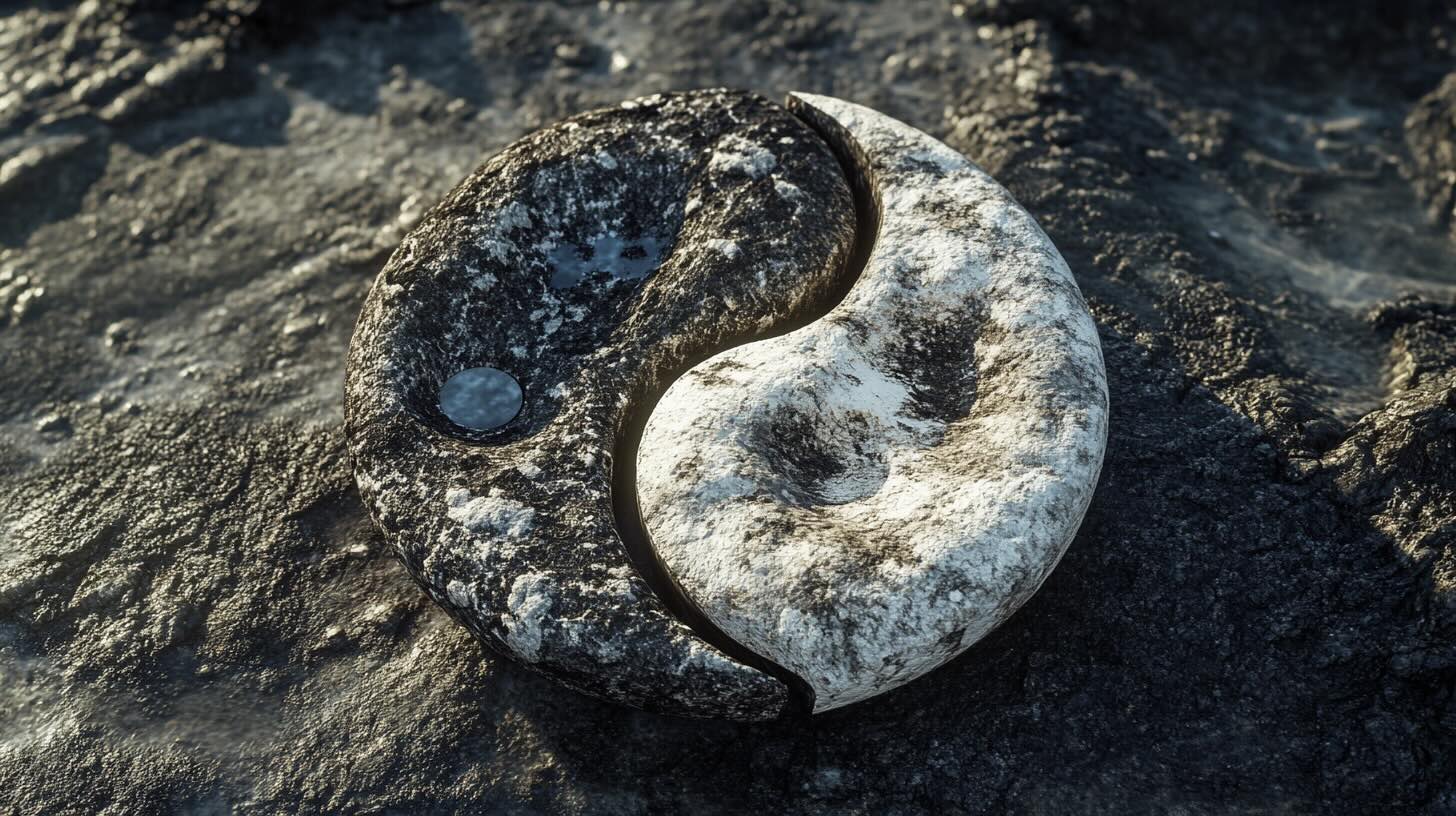
Before you roll out your mat and begin meditating, you should understand Yin and Yang. In traditional Chinese philosophy and medicine, they represent opposing but complementary energies. Yang is active, dynamic, and masculine - like the sun, summer, effort, or vigorous yoga styles like Vinyasa. Yin is passive, calming, and feminine - like the moon, winter, and stillness.
Yin Yoga aligns with these principles and balances our lives that are largely influenced by Yang. It goes beyond the surface and allows practitioners to relax deeply while addressing the connective tissues such as ligaments, fascia, and joints. This practice creates a quiet space to counterbalance the heaviness of daily life, just as the gentle light of the moon complements the liveliness of the sun. It encourages us to pause, breathe, reflect, and heal.
To get started with Yin Yoga, you don't need many things. The simplicity of what you need mirrors the simplicity of the practice:
With these essential items, you are ready to dive into the calming waters of Yin Yoga. Focus on the depth of silence and not on powerful movements.
Try our Yin Yoga!
Join us for a class in `Zürich Wiedikon 🙂
Are you ready for your Yin Yoga journey? Try these four beginner-friendly exercises. They introduce the meditative quality of Yin Yoga and target areas of tension:
These asanas minimize effort, help you connect with deeper states, and offer you more than just flexibility. In total, there are 36 Yin Yoga exercises without variations that you can discover.
In Yin Yoga, the breath bridges the mental and physical states and promotes calmness and concentration. Conscious breathing brings mindfulness and tranquility into every pose. Enhance your practice with breath work:
Meditative Breathing: Sit or lie down comfortably, eyes closed. Breathe deeply through the nose, filling the belly, then exhale slowly and release tension. Extend the inhalation and exhalation to enter a meditative state.
Hold each position with deep, rhythmic breathing. This helps the parasympathetic nervous system to relax and become mentally clear.
The entry into Yin Yoga brings relaxation and insight. Here are the most important guidelines for a safe practice:
These elements enrich your practice and flexibility, both mentally and physically.
Yin Yoga was developed in the 1980s and can be wonderfully combined with Traditional Chinese Medicine (TCM), which focuses on balancing energy pathways, known as meridians. TCM teaches that meridians guide the Qi or life force, which is crucial for health.
Each pose targets the meridians and promotes the flow of energy:
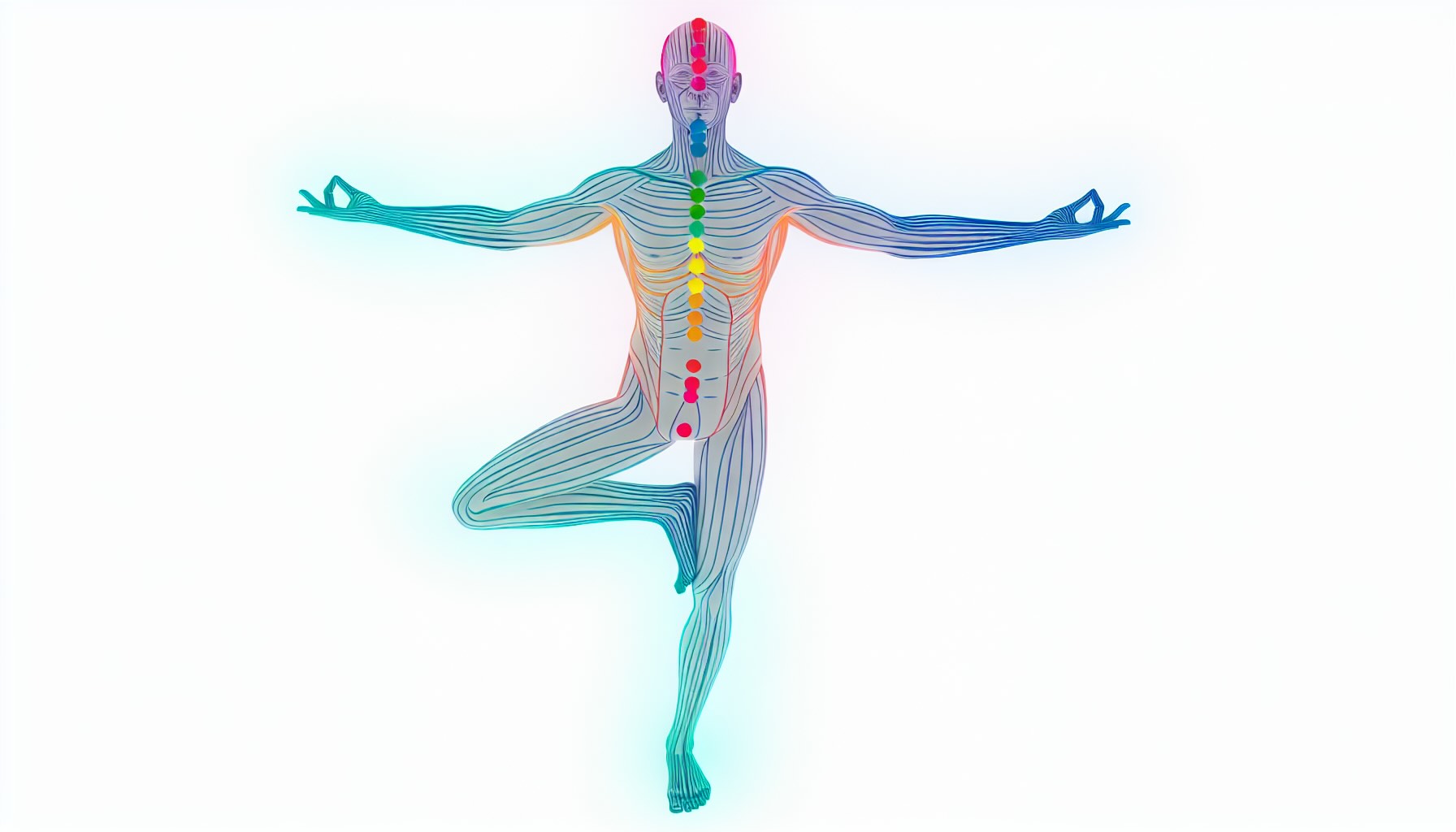
The gentle asanas of Yin Yoga reflect the acupuncture or acupressure of TCM and promote harmonious energy flow. Yin Yoga is suitable for all age groups andfitness levelsand through regular practice, flexibility increases and emotional blockages can be released.
When you integrate these exercises into your daily life, it has a significant impact on your well-being. Yin Yoga connects with the principles of TCM to maintain balance in body and mind.
With Yin Yoga, you can turn inward and recover and create a balance to the hectic everyday life. Whether you practice in Zurich or at home, you can surrender to serenity and depth. It is more than just stretching - it is a journey to the heart that aims for peace, vitality,mindfulnessand relaxation. Let it be a sacred time of self-care and self-discovery that leads to serenity and rejuvenation.
Tags