March 18
Searing 101: Become the Searing Master
0 comments

Welcome to the world of perfect searing!
Whether you're preparing a juicy steak, a fresh fish fillet, or a simple egg – the right searing is the key to an unparalleled taste and appealing texture.
But how do you actually sear properly?
Many home cooks face the challenge of achieving a golden-brown crust without burning or drying out the dish. Don't worry – with the right techniques and a bit of practice, you'll soon shine like a pro in the kitchen.
In this guide, we will show you step by step how to master searing, from the right heat to the perfect contact and crucial patience. Let's learn the fundamentals together and elevate your cooking skills to the next level!
Whether you are searing an egg or a grass-fed ribeye steak with bone, proper searing elevates your dish from good to great. It’s that crispy crust that forms along the Egg whites or the dark brown on the surface of the steak that looks like a work of art. Searing adds texture and elevates the taste experience to a new level – it makes it professional. Once you master it, you’ll want to apply it everywhere. The good news? It’s not that complicated. All you need to know are three fundamental things.
Searing is not just a technique, but an art form that any home cook can master. Imagine how the sizzling sound of hot fat fills the kitchen and the scent of perfectly seared meat or a fresh Egg envelops your senses.
That golden brown crust is the secret behind the dishes served in top restaurants, and now you can replicate it at home! Whether you are a beginner or already have experience, this method will revolutionize your cooking skills. The three key principles we are about to discuss are easy to implement and don’t require expensive equipment – just a bit of practice and patience.

Without sufficient heat, there is no searing. Too much heat, and you burn it. The trick is to always find a good balance. It's important to note that this is about the fat in the pan, not the pan itself. There’s no benefit to having a hot pan if you don’t give the fat enough time to reach the right temperature.
A high-quality pan helps immensely here. It regulates heat better and fluctuates less. A heavy cast iron pan or one made of stainless steel will serve you well for a long time.
Heat is the heart of searing, but it requires finesse. If the pan is not hot enough, the meat remains pale and mushy – a rookie mistake you want to avoid. Too high temperatures, on the other hand, lead to burnt flavors and a bitter taste.
The secret is to bring the fat – whether butter, lard, or the meat’s own fat – to temperature slowly. A cast iron pan that has been passed down through generations, or a modern stainless steel pan with good heat conduction are ideal tools. Before adding your meat, test the heat: a drop of Water should evaporate immediately but not burn right away. Over time, you'll develop a feel for when the pan is just right – a moment that experienced cooks refer to as the 'sweet spot.'

Now you have the fat in the pan, and it’s sizzling. It’s hot. It’s ready to transfer all that flame’s heat into what you’re preparing. To achieve perfect searing, you must maximize contact. Firmly press the steak or the redfish fillets onto the pan. Every possible inch must be in contact with the pan.
The contact between the food and the pan is crucial to create that beautiful crust. Imagine pressing a juicy ribeye steak with a heavy spatula lightly onto the hot surface – every unevenness gets balanced out, and the heat can act evenly.
The same applies to a delicate fish fillet like redfish: a firm but gentle pressure ensures that no air bubbles disrupt the perfect browning. Many beginners make the mistake of just laying the meat lightly and hoping it will sear on its own – that doesn’t work. Use the first few seconds to ensure that the entire surface is in contact, and you’ll taste the difference right away. With a bit of practice, this step will become second nature, and your searing will be more precise every time.
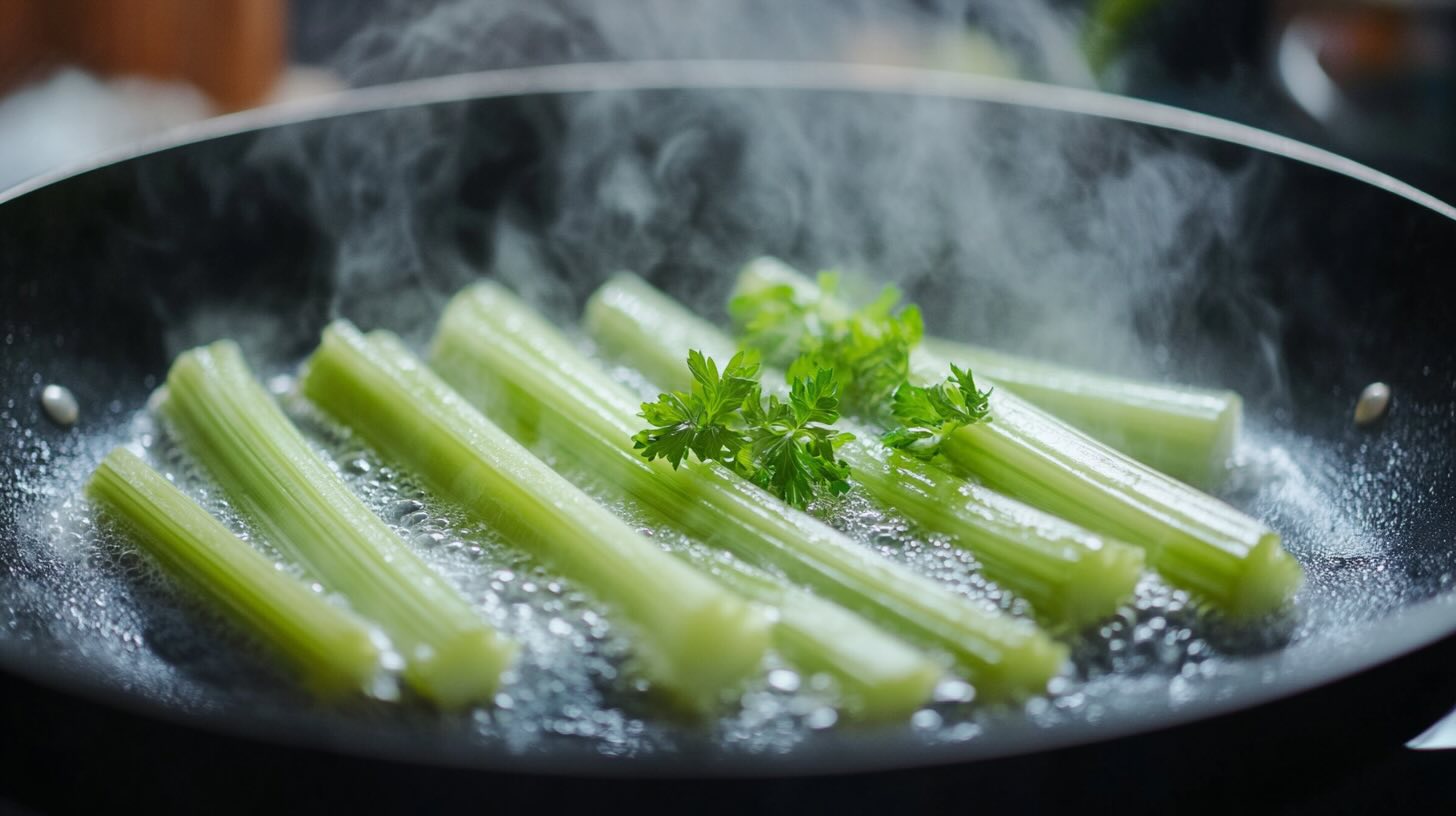
This is the easy part, but this is where I see most people make mistakes. Once you have a good grip on steps 1 and 2, you're already 80% of the way there. All you need to do now is wait. You don’t mess with it, you don’t flip it, you don’t even touch the pan.
Just wait. This is where all the magic happens. You let the crust form itself, and it will release from the pan on its own. Wait about 2–3 minutes and then test with your spatula. It should release beautifully from the pan.
And there you have it. You have mastered searing. Keep these three things in mind the next time you sear something, and I guarantee it will turn out much better.
Patience is the biggest challenge – and at the same time, the biggest learning process. Many cooks, especially the impatient ones, turn the meat too early, only to find that the crust has not yet formed and the piece sticks. The key is to trust the process: the Maillard reaction, the chemical magic behind the crust, takes time.
After 2–3 minutes, you can gently wiggle with a spatula – if it releases, it's ready. If not, give it another moment. This waiting time is also an exercise in mindfulness: use it to enjoy the aroma and prepare for the next step. Once you master this art, you’ll find that your searing not only looks better, but tastes more intense as well. It’s that moment when you feel like a pro – and all with just a bit of patience!
By the way, you can also experience all of this in our retreats in Crete or Fuereventura, where we have fantastic private chefs hired.
Now that you understand how easy it is, you’re surely itching to whip something up in the kitchen, and there’s no better place to share your creations with the Templeshape Community than after the Workouts.
P.S. A simple sear that you can perfect is a grass-fed ribeye steak. Season it with salt and let it rest in the refrigerator for a day. Trim some fat from the edge and render it in the pan, dry the steak, and off you go. If you’re feeling bold, toss in a freshly caught sea bass fillet.
With these three steps, you’re ready to create your own masterpiece, and the community is waiting to celebrate your successes! Share photos of your perfectly seared steaks or fish, exchange tips with other enthusiasts, and learn from their experiences.
To wrap up, a little tip for getting started: A grass-fed ribeye steak is ideal for testing your skills. Salting overnight draws out moisture and results in an even better crust. The rendered fat adds extra flavor, and a dried-off steak sears more evenly.
For the brave among you: A freshly caught sea bass fillet is an exciting challenge – the delicate texture requires a bit more caution, but the reward is an unparalleled taste experience. So grab your pan, and let’s master the art of searing together!
Tags