March 20
Beginner’s Guide to Protein
0 comments

Protein shakes don't make you a muscular tough guy.
Not even as a woman.
However, they may extend your life.
Sounds confusing?
Then let's provide a better overview.
Today, we want to talk about one of the most important nutrients for our body: proteins.
If you're wondering what exactly proteins are and why they are so important, you're in the right place.
So you're asking yourself, what are proteins?
Well, simply put, proteins are large molecules made up of amino acids.
These amino acids are often referred to as the building blocks of life because they play a critical role in various bodily functions.
From repairing tissues and cells to regulating hormones and enzymes, proteins are involved in almost every process in our body.
The importance of proteins for our body cannot be overstated.
They are vital for growth and development as well as for the maintenance and repair of tissues.
Moreover, proteins also play an important role in a healthy immune system and good digestion.
Without enough proteins in our diet, our body cannot function optimally.

We all know that protein is important for our health and fitness, but did you know that there are different types of protein?
Let's take a look.
Animal proteins are probably the most commonly consumed type of protein.
These include sources such as chicken, beef, fish, and eggs.
Animal proteins are considered complete proteins because they contain all nine essential amino acids that our body needs.
They are also rich in iron and vitamin B12, which are important for overall health.
Plant-based proteins, on the other hand, come from plant sources such as beans, lentils, nuts, and seeds.
Even though plant-based proteins alone are not always complete proteins, you can easily combine different plant sources to create a complete protein meal.
Plant-based proteins also contain less saturated fat and cholesterol than animal proteins, making them a good choice for anyone looking to reduce their consumption of animal products.
Now let’s talk about supplements.
Protein shakes and bars have become increasingly popular among fitness enthusiasts because they provide a convenient way to boost protein intake.
These supplements usually consist of whey or plant-based protein powders and offer a quick and easy way to increase protein intake even on the go.
Protein shakes are great for recovery after workouts, while protein bars are a convenient snack option for on the go.
Whether you prefer animal or plant-based proteins or consume protein shakes and bars, it is important to get enough protein to achieve your health and fitness goals.
Experiment with different protein sources and find out what works best for you!
In our Fitness Retreats, we often use the protein from Mana.
Make sure to consume protein after Pilates at Templeshape
Try one of our workouts at a discounted price!
Let’s discuss the role of the most popular macronutrient in nutrition!
Protein is an important part of our diet as it plays a key role in various bodily functions, including muscle building, repair, and growth.
In this section, we will learn how important protein is in the diet and how much you actually need.
The amount of protein you consume through your diet depends on factors such as age, gender, activity level, and overall health status.
In general, the recommended daily allowance (RDA) for protein is 0.8 grams per kilogram of body weight.
However, if you want to build muscle or are particularly active, you need about double the protein to achieve your goals.
Those who are physically active or want to build muscle should consume about 1.2-2.0 grams of protein per kilogram of body weight.
This higher intake can support muscle repair and growth, especially in combination with strength training.
Now that we’ve discussed how much protein you need, let’s talk about where you can find it in your diet.
There are many delicious and nutritious sources of protein, including animal sources such as meat, poultry, fish, eggs, and dairy products.
Plant sources such as beans, lentils, tofu, Tempeh, nuts, seeds, and whole grains also provide plenty of protein.
It is important to vary your protein sources to ensure you get a wide range of essential amino acids - the building blocks of protein that our body needs for various functions.
By combining different protein sources throughout the day, you can meet your needs and keep things interesting in the kitchen!
Protein is often touted as an important nutrient for muscle building - and for good reason!
When we engage in strength training or other forms of resistance training, small tears occur in our muscles that need to be repaired and rebuilt stronger than before.
Protein plays a key role in this process by providing the necessary amino acids for the repair and growth of muscles.
Adequate protein intake supports not only muscle building but can also help with weight management by promoting feelings of fullness and preserving lean body mass during times of calorie restriction.
This means that adequate protein intake can help you feel full and satisfied while also allowing you to achieve your fitness goals.
Whether you go to the gym regularly or just want to nourish your body with nutritious foods, be sure to consume plenty of protein-rich foods.

Proteins are important for everyone, but did you know that women have a slightly different protein requirement than men?
Yes, that's true!
Women need to ensure they are getting enough protein to support their health and well-being.
The protein requirement for women depends on various factors such as age, weight, activity level, and overall health status.
On average, it is recommended that women consume about 46 grams of protein per day.
However, this amount can increase for pregnant or breastfeeding women, as well as for women who are very active or looking to build muscle.
When it comes to muscle building, protein plays as important a role for women as it does for men.
Some women worry that too much protein will make them fat or too muscular, but the truth is that protein is essential for building and repairing muscle tissue.
By incorporating protein-rich foods into your diet, you can build muscle mass and support recovery after workouts.
A protein-rich diet for women should include a variety of sources such as lean meats like chicken, turkey, and fish, as well as plant-based sources like beans, lentils, nuts, and tofu.
Dairy products like yogurt and cheese are also a good source of protein.
It's important to focus on a balanced mix of animal and plant proteins to ensure you are getting all the essential amino acids your body needs.
In addition to whole protein sources, many women find it helpful to meet their daily needs with protein powders or bars.
These products are convenient if you're on the go or looking for a quick snack after a workout.
Just make sure to choose high-quality products with minimal additives or sweeteners.
Overall, it's important for women's health and well-being to pay attention to adequate protein intake.
Whether you want to build muscle, support an active lifestyle, or just maintain your health, incorporating protein-rich foods into your daily meals can help you achieve your goals.
So enjoy the chicken salad or the parfait with Greek yogurt.
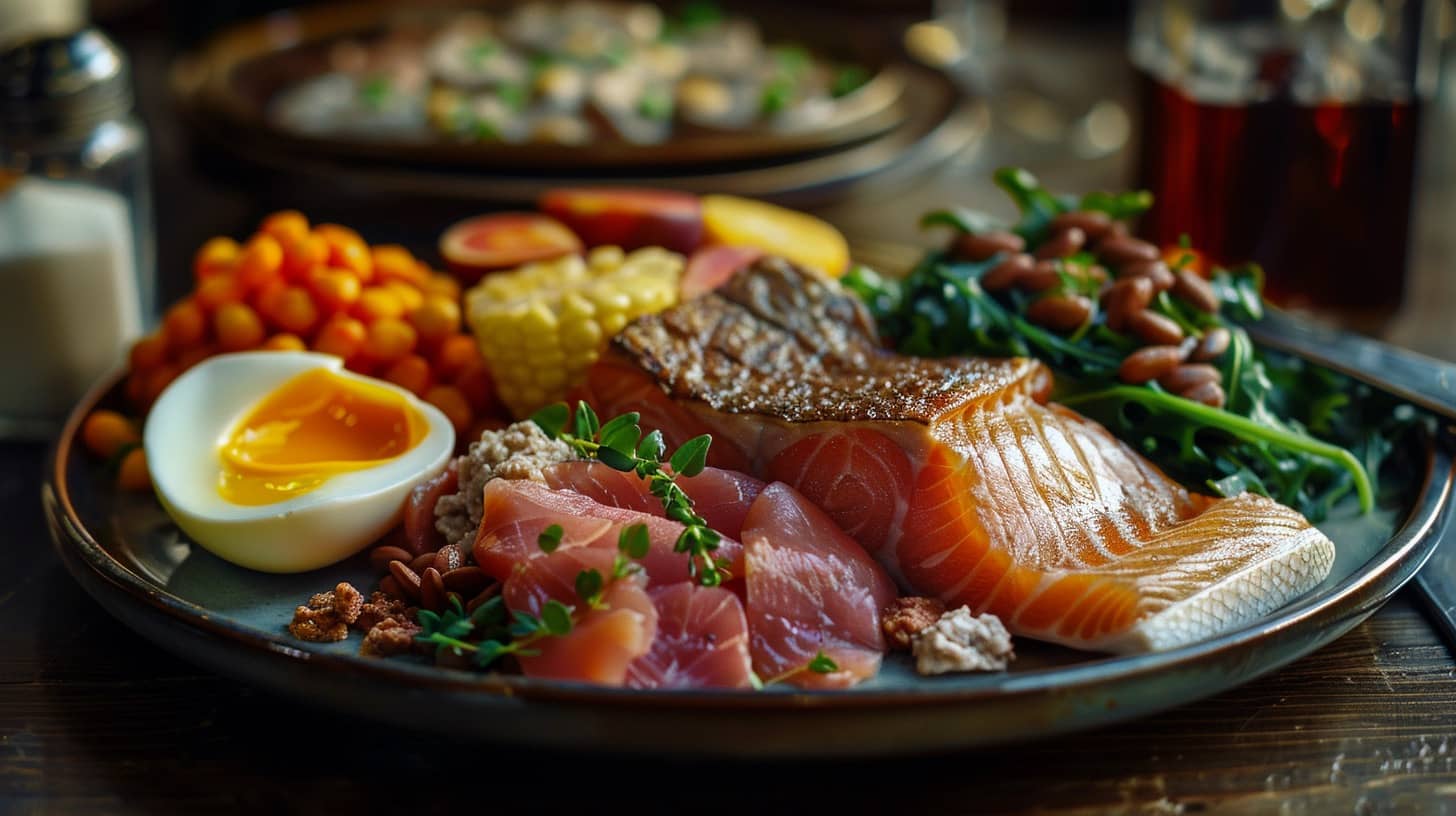
Protein is an important nutrient for our bodies and plays a crucial role in building and repairing tissue, muscle growth, and maintaining overall health.
Fortunately, there are many delicious and nutritious foods that are high in protein.
Meat and fish are the classic protein sources that many people rely on for their daily intake.
Whether you're a fan of juicy steaks, tender chicken breasts, or flaky salmon fillets, there are plenty of ways to meet your protein needs.
Additionally, these animal proteins typically contain other important nutrients such as iron, zinc, and B vitamins.
If you're looking for variety or follow a vegetarian or vegan diet, there are also many plant-based protein sources to choose from.
Legumes like beans, lentils, and chickpeas are not only high in protein but also rich in fiber and other important vitamins and minerals.
Nuts and seeds like almonds, chia seeds, and pumpkin seeds are also a great option to boost your meals or snacks with protein.
A often overlooked source of protein is eggs. Eggs are incredibly versatile - they can be used as scrambled, fried, boiled, poached, or baked...
Eggs not only contain high-quality protein but also important nutrients like vitamin D and choline.
Whether enjoyed as part of a hearty breakfast or as a main ingredient in your favorite baked goods, eggs are definitely worth including in your diet.
We always order our eggs fresh from the farm at eiermeier.ch.
Overall, a protein-rich diet doesn't have to be boring or bland.
There are so many delicious options - whether meat and fish, legumes and nuts, or the versatile eggs - that you can easily meet your protein needs while enjoying a variety of tasty meals.

Protein shakes have become a staple in many people's diets, especially for those looking to build muscle or recover from intense workouts.
They are a convenient and efficient way to ensure your body gets the protein it needs for muscle repair and growth.
But how do you know which protein shake is right for you with so many options on the market?
In this article, we'll explain the benefits of protein shakes, how to choose the right one, and how they can support muscle building and recovery.
Protein is an important macronutrient that plays a crucial role in building and repairing tissue in our bodies.
When we do sports like HIIT bootcamp treiben, entstehen in unseren Muskeln Mikrorisse, die repariert werden müssen, um stärker zu werden.
Eiweißshakes bieten eine schnelle und einfache Möglichkeit, unsere Muskeln mit hochwertigem Eiweiß zu versorgen, damit sie sich schneller erholen und effektiver wachsen können.
Eiweißshakes sind auch eine praktische Option für alle, die nach dem Training keine Zeit haben, eine vollständige Mahlzeit zuzubereiten oder die einen schnellen Snack für unterwegs brauchen.
Mit nur einem Messlöffel Proteinpulver und etwas Wasser oder Milch kannst du in wenigen Minuten einen nahrhaften und sättigenden Shake zubereiten.
Wenn es darum geht, den richtigen Proteinshake für deine Bedürfnisse auszuwählen, gibt es ein paar Faktoren, die du beachten solltest.
In erster Linie solltest du dich für ein hochwertiges Proteinpulver entscheiden, das frei von Zuckerzusätzen oder künstlichen Zutaten ist.
Molkenprotein ist eine der beliebtesten Optionen, da es schnell vom Körper aufgenommen wird und alle essentiellen Aminosäuren enthält, die für den Muskelaufbau benötigt werden.
Wenn du eine Laktoseintoleranz hast oder eine pflanzliche Variante bevorzugst, gibt es auch viele vegane Proteinpulver aus Quellen wie Erbsen-, Soja- oder Reisprotein.
Auch diese Optionen liefern alle essentiellen Aminosäuren, die dein Körper für den Muskelaufbau braucht.
Es ist auch wichtig, auf den Geschmack und die Konsistenz des Proteinshakes zu achten.
Manche Menschen bevorzugen süßere Geschmacksrichtungen wie Schokolade oder Vanille, während andere vielleicht etwas Neutrales bevorzugen, das sie mit Früchten oder Nussbutter verfeinern können.
Experimentiere mit verschiedenen Marken und Geschmacksrichtungen, bis du eine findest, die du gerne regelmäßig trinkst.
Eiweißshakes können in Kombination mit regelmäßigem Krafttraining ein effektives Mittel zum Aufbau von Muskelmasse sein.
Der Verzehr eines eiweißreichen Shakes nach dem Training kann die Proteinsynthese in den Muskeln anregen, was zu einer schnelleren Erholung und einem schnelleren Wachstum führt.
Wer sein Muskelaufbaupotenzial maximieren will, sollte innerhalb von 30 Minuten nach dem Training einen Eiweißshake zu sich nehmen.
In diesem Zeitfenster nach dem Training sind deine Muskeln am aufnahmefähigsten für Nährstoffe wie Eiweiß, so dass es ein idealer Zeitpunkt ist, einen Shake zu trinken.
Eiweißshakes helfen nicht nur beim Muskelaufbau, sondern auch bei der Regeneration der Muskeln nach intensiver körperlicher Betätigung.
Die in Eiweißpulvern enthaltenen Aminosäuren spielen eine wichtige Rolle bei der Reparatur beschädigter Muskelfasern und der Verringerung des Muskelkaters nach dem Training.
Insgesamt kann die Aufnahme von Eiweißshakes in deine Ernährung ein effektiver Weg sein, um deine Fitnessziele zu unterstützen und deine allgemeine Gesundheit zu fördern.
Egal, ob du Muskelmasse aufbauen oder dich von harten Trainingseinheiten erholen willst, es gibt bestimmt einen Proteinshake, der perfekt für dich ist.
Also schnapp dir deinen Mixer und fang an, mit verschiedenen Geschmacksrichtungen und Marken zu experimentieren.
Eiweiß wird oft als der Baustein des Lebens angesehen und spielt eine entscheidende Rolle für unsere Gesundheit und unser Wohlbefinden.
Mit zunehmendem Alter wird die Bedeutung von Eiweiß noch deutlicher, denn es kann uns helfen, die Muskelmasse zu erhalten, die Knochengesundheit zu verbessern und ein starkes Immunsystem zu unterstützen.
Tatsächlich hat die Forschung gezeigt, dass Eiweiß auch eine Schlüsselrolle bei der Förderung der Langlebigkeit spielen kann.
Proteine sind wichtig für die Reparatur und Erhaltung unserer Zellen, Gewebe und Organe.
Sie sind auch an verschiedenen Stoffwechselprozessen beteiligt, die dazu beitragen, dass unser Körper richtig funktioniert.
Je älter wir werden, desto mehr Proteine benötigt unser Körper, um diese Prozesse zu unterstützen und Muskelabbau zu verhindern.
Studien haben gezeigt, dass ältere Erwachsene, die ausreichende Mengen an Eiweiß zu sich nehmen, eine bessere Muskelmasse und Kraft haben und ein geringeres Risiko haben, chronische Krankheiten zu entwickeln.
Eines der größten Probleme für ältere Erwachsene ist der Erhalt von Muskelmasse und Kraft.
Mit zunehmendem Alter verliert unser Körper auf natürliche Weise an Muskelmasse, was zu Gebrechlichkeit und einem erhöhten Risiko für Stürze und Knochenbrüche führen kann.
Eiweiß spielt eine entscheidende Rolle beim Erhalt von Muskelmasse und Kraft, vor allem in Kombination mit regelmäßiger Bewegung.
Durch den Verzehr von ausreichend Eiweiß aus Quellen wie magerem Fleisch, Geflügel, Fisch, Eiern, Milchprodukten, Hülsenfrüchten, Nüssen und Samen können ältere Erwachsene ihre Muskelgesundheit und ihre allgemeine körperliche Funktion unterstützen.
Es gibt verschiedene Möglichkeiten, wie ältere Erwachsene ihre Proteinzufuhr optimieren können, um ihre allgemeine Gesundheit und Langlebigkeit zu unterstützen.
Ein wichtiger Tipp ist, zu jeder Mahlzeit und jedem Snack über den Tag verteilt eiweißhaltige Lebensmittel zu essen.
So kannst du sicherstellen, dass dein Körper ständig mit Aminosäuren versorgt ist, die die Reparatur und das Wachstum der Muskeln unterstützen.
Außerdem ist es wichtig, hochwertige Eiweißquellen zu wählen, die wenig gesättigte Fette und Zuckerzusätze enthalten.
Ein weiterer Tipp ist, die Proteinzufuhr gleichmäßig über den Tag zu verteilen, anstatt sich mit einer großen Mahlzeit zu belasten.
So kannst du die Muskelproteinsynthese über den Tag hinweg maximieren und Muskelabbau verhindern.
Außerdem sollten ältere Erwachsene auf eine Vielzahl von Eiweißquellen achten, um sicherzustellen, dass sie alle essentiellen Aminosäuren zu sich nehmen, die ihr Körper braucht.
Zusammenfassend lässt sich sagen, dass Eiweiß eine wichtige Rolle bei der Förderung der Langlebigkeit spielt, indem es die Muskelgesundheit, die Knochendichte, die Immunfunktion und das allgemeine Wohlbefinden unterstützt.
Wenn du hochwertige Eiweißquellen in deine Ernährung aufnimmst und diese Tipps für eine optimale Zufuhr im Alter befolgst, kannst du den natürlichen Alterungsprozess deines Körpers unterstützen und dich über bessere Gesundheitsergebnisse freuen, wenn du älter wirst.

So you have decided on a high-protein diet - congratulations!
Regardless of whether you want to build muscle, lose weight, or simply improve your health, a higher protein intake can bring many benefits.
But where should you even start?
Don't worry, I have practical tips for you that will help you find the right entry point.
First, we need to find out how much protein you actually need.
The general recommendation for protein intake is 0.8 grams per kilogram of body weight.
However, if you want to build muscle or engage in intense physical activity, you might need more.
To calculate your specific protein needs, simply multiply your body weight in kilograms by a factor that corresponds to your activity level:
- Sedentary: 0.8-1.0 grams/kg
- Moderate activity: 1-1.5 grams/kg
- Intense activity or muscle building: 1.5-2+ grams/kg
Once you have this number, you can easily plan how much protein you should incorporate into each meal and snack throughout the day.
Now that you know how much protein you need, it’s time to incorporate it into your meals and snacks.
The most important thing is to use a variety of protein sources like lean meats, poultry, fish, eggs, dairy, legumes, nuts, seeds, and tofu.
Start by planning your meals around a protein source - like grilled chicken breast for lunch or Greek yogurt with berries for breakfast.
Don't forget about snacks!
Opt for a handful of almonds or a hard-boiled egg when hunger strikes in between meals.
A look into our cookbook "Nourish from Within" will help you find something suitable right away.
Are you still a bit confused when it comes to protein?
We answer a few questions that may still be swirling in your mind:
- Can I get enough protein from plant sources?
Absolutely! Legumes like beans and lentils are great plant-based protein sources.
- Can you consume too much protein?
Yes, it is possible to overdo it with protein, which can put excessive strain on the kidneys.
- Should I have a protein shake after my workout?
Whole foods are generally better than supplements for meeting your daily protein needs.
If you follow these practical tips and guidelines for starting a high-protein diet, you'll be well on your way to achieving your health and fitness goals.
Remember to listen to your body and make adjustments as needed.
And now, enjoy all those delicious high-protein meals!
Tags