March 18
Mitochondria activation: pathways to 100% more vitality and health
0 comments

March 18
0 comments
In the frenetic rhythm of modern life, it feels like unearthing a hidden source of vitality.
These are the mitochondria: tiny organelles revered as the "powerhouses" of cells.
Understanding and utilizing these bioenergetic dynamos paves the way for inexhaustible energy and optimal health.
Discover with us the secret of mitochondria - their importance and how you can strengthen them for more vitality.
Mitochondria, the microscopic architects of energy, are found in almost every cell.
Their main function is the synthesis of ATP from oxygen and glucose, the cell's energy currency.
ATP powers all vital functions; without ATP, biological processes cease.
Through oxidative phosphorylation, mitochondria convert nutrients into energy.
This complex biochemical symphony - comparable to an orchestrated dance - ensures the continuum of life.
Mitochondria are not just energy producers, but they are also responsible for the regulation and integrity of the cell.
They regulate the cell cycle; dysfunctions can trigger a cascade of cellular diseases.
Their role ranges from bioenergetic synthesis to apoptotic signaling, highlighting their indispensable nature for cellular health.

Numerous scientific studies emphasize the central role of healthy mitochondria.
Mitochondria functioning optimally are energy producers and arbiters in cellular signaling, apoptosis regulation, and reduction of oxidative stress..
Impairment of mitochondria leads to not only fatigue but also dysfunctions associated with neurodegenerative and metabolic disorders.
Taking care of mitochondria is akin to tuning an engine for peak performance.
These organelles house unique DNA that differs from nuclear DNA and is inherited maternally.
Damage to mitochondrial DNA caused by oxidative stress compromises function, impairs ATP synthesis, and increases oxidative stress.
Thus, maintaining mitochondrial integrity is crucial to prevent cascades of cellular dysfunction.
Surprisingly, light significantly influences mitochondrial health.
Infrared light stimulates cytochrome c oxidase in the respiratory chain, thereby increasing ATP production.
This photobiomodulation mimics the nourishing effect of sunlight and promotes cellular renewal.
Infrared wavelengths penetrate the skin barrier and directly modulate mitochondrial processes.
Exposure to infrared light - whether from sunlight or therapeutic devices - transforms the energy and vitality of cells.
Infrared saunas and red light panelsare popular means of illuminating cells.
Regular exposure promotes repair, reduces inflammation, and regenerates tissues.
Enhance your mitochondria with exercise at Templeshape
Come train with us and develop your mitochondria!
Imagine your muscles as bustling metropolises, teeming with active mitochondria.
High-Intensity Interval Training (HIIT) leads to a significant improvement in mitochondrial function.
HIIT increases cardiovascular and muscular demands and stimulates mitochondrial biogenesis - that is, new mitochondria are formed.
This prolific effect increases energy yield and endurance.
HIIT increases ATP needs and induces adaptations that increase the number and efficiency of mitochondria, particularly in muscle cells.
Endurance trainingdoubles the numberof mitochondria in athletes and improves mitochondrial resilience and oxygen utilization, leading to improved endurance and recovery.

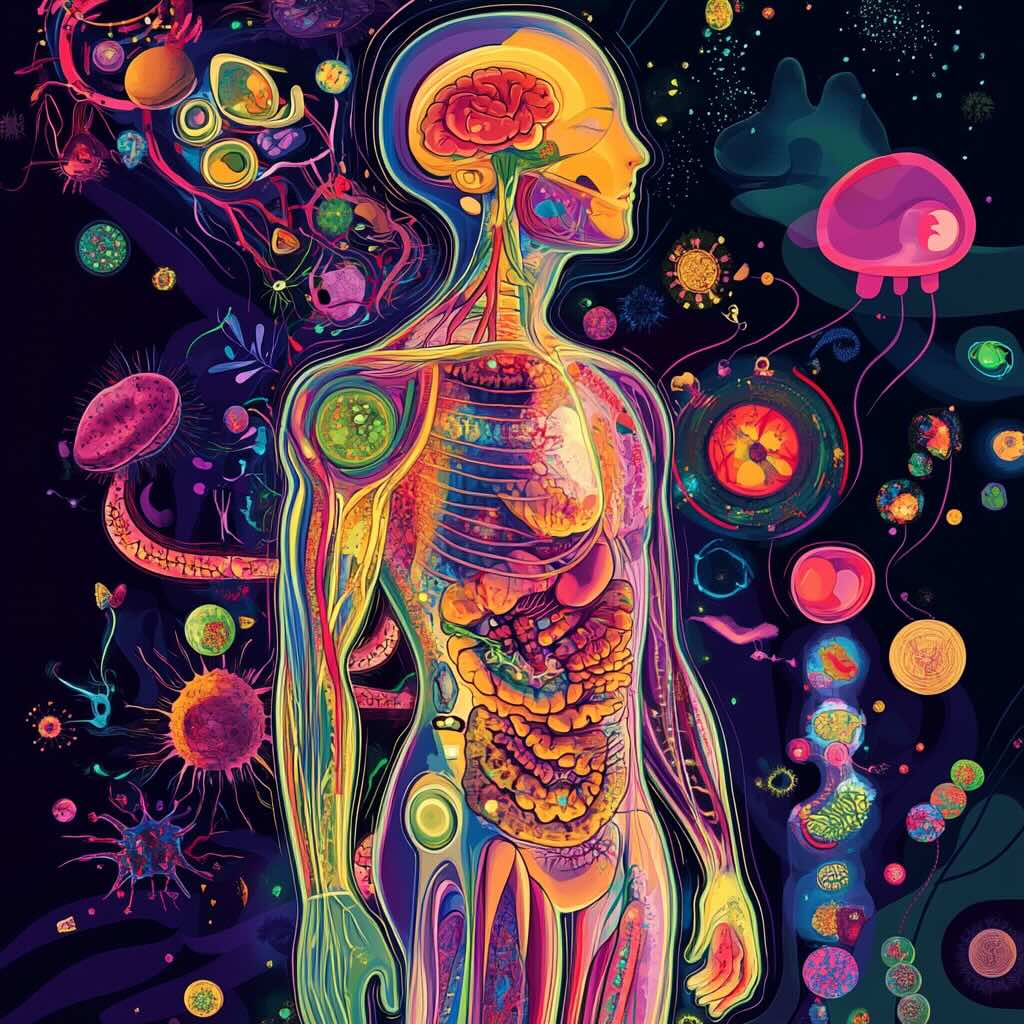
In addition tonutrition,supplements can also enhance mitochondrial power.
Coenzyme Q10, a key element of the electron transport chain, maintains energy production when the natural level decreases with age.
L-carnitine facilitates fatty acid transport; alpha-lipoic acid strengthens antioxidants and enhances mitochondrial function.
Supplements optimize the enzymatic substrates that are crucial for mitochondrial performance.
With aging or stress, performance is maintained through supplements.
Always consult your health advisor if you need individual supplementation.
Tags
 DE
DE FR
FR EN
EN